The Baltic Sea is experiencing an alarming drop in water levels: 275 billion tons of water have been lost.



Always see our news on Google
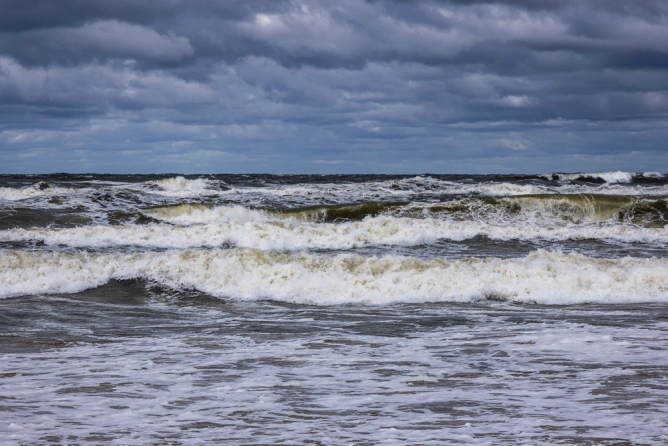
The Baltic Sea has experienced a drastic loss of water at the beginning of February, reaching a level 67 centimeters below the historical average, which represents a decrease of approximately 275 billion tons.
This situation is caused by a combination of strong easterly winds and a high-pressure system, which have pushed water towards the North Sea. Experts emphasize that such extreme episodes are linked to climate change and the destabilization of the polar vortex, which affects atmospheric currents. The phenomenon is explained by the 'open refrigerator effect', in which cold air from the Arctic region moves south due to the accelerated warming of the Arctic region. This disrupts marine ecosystems, leading to algal blooms and reduced oxygen, affecting biodiversity. Climate change also favors the expansion of southern species into northern regions, generating competition with Arctic fauna. Additionally, rising ocean temperatures contribute to coral bleaching, a devastating process for reefs. Although efforts to reduce pollution have had a positive impact, the Baltic Sea remains a fragile ecosystem, and the self-purification process is slow, requiring decades to recover.
Sources



Latest News
08:21
08:03
07:56
07:42
07:42
See more news
NEWS ON THE SAME TOPICS