Five years after the return of the Taliban, the EU maintains dialogue with Kabul without recognizing the regime.
Liviu Brăteanu


EU
Foto: www.shutterstock.com

Always see our news on Google
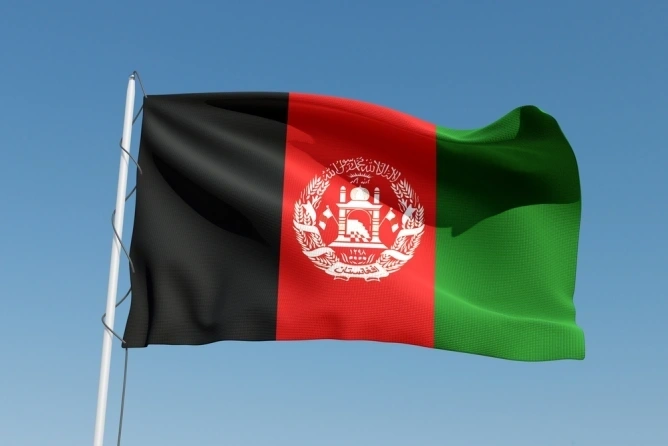
The European Union continues to discuss with the de facto Taliban authorities in Afghanistan, but without recognizing or legitimizing them politically, the European Commission stated ahead of the five-year anniversary of the Taliban's return to power. Brussels says it maintains a policy of "principled engagement" and remains seriously concerned about the systematic violations of human rights, especially against women and girls.
In short, the Commission states that the EU remains seriously concerned about the systematic violations of human rights in Afghanistan, particularly regarding the situation of women and girls. The EU maintains operational contacts with the de facto Taliban authorities based on a policy of "principled engagement" established after the Taliban's return to power in 2021. Brussels emphasizes that these contacts do not imply recognition or legitimization of the Taliban authorities. The EU discusses with the Taliban on issues it considers related to its values and interests, but the Commission has not provided details about the content of recent discussions regarding migration. The position presented on August 11 does not represent a change in policy, but rather the maintenance of the relational framework established by member states after 2021.
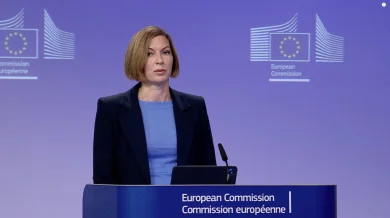
The European Commission presented its position on Afghanistan ahead of August 15, the date marking five years since the Taliban's return to power.
Regarding the situation in the country after five years of Taliban rule, the Commission stated that the EU remains "seriously concerned" about the systematic violations and abuses of human rights.
The situation of women and girls was explicitly mentioned. Brussels continues to demand that the de facto authorities respect and protect the rights and freedoms of all Afghans and adhere to Afghanistan's international obligations.
At the same time, the European Union has not completely severed contacts with the structures controlling Afghanistan.
The Commission describes the current relationship as "principled engagement," an operational dialogue in which contacts are maintained without political recognition of the Taliban authorities.
Member states mandated the EU in September 2021 to maintain this type of operational engagement with the de facto authorities.
The policy is linked to five benchmarks established at that time by the Council, but the Commission did not detail them in the briefing on August 11.
The spokesperson insisted on the difference between dialogue and recognition.
"We do not recognize or legitimize the authorities as such, but we talk to the Taliban about issues we consider related to our values and interests," the Commission said.
This delineation allows the EU to discuss with the authorities that effectively control the territory without granting them the political status that would result from formal recognition.
Contacts may be necessary in situations where European institutions or member states need to address humanitarian issues, migration, or other matters directly involving the de facto authorities.
At the briefing, the Commission was also asked about recent contacts with Taliban representatives in discussions regarding migration.
The question specifically addressed whether the humanitarian situation was discussed during these conversations.
However, the Commission did not provide details about the specific content of recent exchanges and did not specify what requests were made by each side.
The response was limited to the general framework of European policy: operational contacts are allowed, but recognition and legitimization of the regime are not part of this relationship.
This distinction is important for how the EU addresses the human rights situation.
Brussels can communicate with the Taliban authorities and, at the same time, demand that they respect fundamental rights and Afghanistan's international obligations.
The Commission did not present an assessment at the briefing indicating that the situation of women and girls has improved.
On the contrary, the wording used was that of "systematic and systemic" violations of human rights, with a focus on women and girls.
This characterization shows that the issue remains one of the main concerns of the EU in its relationship with the de facto authorities.
The Commission did not announce new sanctions, changes in assistance policy, or a change in the status of relations with Kabul on the occasion of the five years since the Taliban's return.
It also did not announce any move towards diplomatic recognition.
The policy thus remains built on two simultaneous directions: maintaining the possibility of operational dialogue and refusing to transform this dialogue into political legitimization.
For the EU, these contacts allow addressing practical issues in a country where the Taliban exercise de facto control.
However, they do not represent a validation of how they govern Afghanistan.
Brussels continues to link its relationship with the authorities in Kabul to the respect for the rights of Afghans and their behavior in the areas pursued by the Union.
The Commission did not specify whether the five benchmarks established in 2021 are considered fulfilled and did not present an individual assessment of progress for each of them.
Statements from August 11 show that the EU continues to use the same framework for its relationship with Afghanistan five years after the regime change.
The Taliban returned to power in Afghanistan in August 2021, and EU member states established the framework for maintaining operational contact with the de facto authorities in the following month.
This contact has not been equated with the diplomatic recognition of the Taliban government.
Five years after the regime change, the Commission states that this separation remains valid: the EU discusses with the de facto authorities when it deems necessary, but continues to refuse recognition and political legitimization of them.
The situation of human rights, especially that of women and girls, remains at the center of the European position, and the Commission did not indicate on August 11 any change in this assessment.
In short, the Commission states that the EU remains seriously concerned about the systematic violations of human rights in Afghanistan, particularly regarding the situation of women and girls. The EU maintains operational contacts with the de facto Taliban authorities based on a policy of "principled engagement" established after the Taliban's return to power in 2021. Brussels emphasizes that these contacts do not imply recognition or legitimization of the Taliban authorities. The EU discusses with the Taliban on issues it considers related to its values and interests, but the Commission has not provided details about the content of recent discussions regarding migration. The position presented on August 11 does not represent a change in policy, but rather the maintenance of the relational framework established by member states after 2021.
The European Commission presented its position on Afghanistan ahead of August 15, the date marking five years since the Taliban's return to power.
Regarding the situation in the country after five years of Taliban rule, the Commission stated that the EU remains "seriously concerned" about the systematic violations and abuses of human rights.
The situation of women and girls was explicitly mentioned. Brussels continues to demand that the de facto authorities respect and protect the rights and freedoms of all Afghans and adhere to Afghanistan's international obligations.
At the same time, the European Union has not completely severed contacts with the structures controlling Afghanistan.
The Commission describes the current relationship as "principled engagement," an operational dialogue in which contacts are maintained without political recognition of the Taliban authorities.
Member states mandated the EU in September 2021 to maintain this type of operational engagement with the de facto authorities.
The policy is linked to five benchmarks established at that time by the Council, but the Commission did not detail them in the briefing on August 11.
The spokesperson insisted on the difference between dialogue and recognition.
"We do not recognize or legitimize the authorities as such, but we talk to the Taliban about issues we consider related to our values and interests," the Commission said.
This delineation allows the EU to discuss with the authorities that effectively control the territory without granting them the political status that would result from formal recognition.
Contacts may be necessary in situations where European institutions or member states need to address humanitarian issues, migration, or other matters directly involving the de facto authorities.
At the briefing, the Commission was also asked about recent contacts with Taliban representatives in discussions regarding migration.
The question specifically addressed whether the humanitarian situation was discussed during these conversations.
However, the Commission did not provide details about the specific content of recent exchanges and did not specify what requests were made by each side.
The response was limited to the general framework of European policy: operational contacts are allowed, but recognition and legitimization of the regime are not part of this relationship.
This distinction is important for how the EU addresses the human rights situation.
Brussels can communicate with the Taliban authorities and, at the same time, demand that they respect fundamental rights and Afghanistan's international obligations.
The Commission did not present an assessment at the briefing indicating that the situation of women and girls has improved.
On the contrary, the wording used was that of "systematic and systemic" violations of human rights, with a focus on women and girls.
This characterization shows that the issue remains one of the main concerns of the EU in its relationship with the de facto authorities.
The Commission did not announce new sanctions, changes in assistance policy, or a change in the status of relations with Kabul on the occasion of the five years since the Taliban's return.
It also did not announce any move towards diplomatic recognition.
The policy thus remains built on two simultaneous directions: maintaining the possibility of operational dialogue and refusing to transform this dialogue into political legitimization.
For the EU, these contacts allow addressing practical issues in a country where the Taliban exercise de facto control.
However, they do not represent a validation of how they govern Afghanistan.
Brussels continues to link its relationship with the authorities in Kabul to the respect for the rights of Afghans and their behavior in the areas pursued by the Union.
The Commission did not specify whether the five benchmarks established in 2021 are considered fulfilled and did not present an individual assessment of progress for each of them.
Statements from August 11 show that the EU continues to use the same framework for its relationship with Afghanistan five years after the regime change.
The Taliban returned to power in Afghanistan in August 2021, and EU member states established the framework for maintaining operational contact with the de facto authorities in the following month.
This contact has not been equated with the diplomatic recognition of the Taliban government.
Five years after the regime change, the Commission states that this separation remains valid: the EU discusses with the de facto authorities when it deems necessary, but continues to refuse recognition and political legitimization of them.
The situation of human rights, especially that of women and girls, remains at the center of the European position, and the Commission did not indicate on August 11 any change in this assessment.

Latest News
22:55
Cristian Bușoi, Secretary of State at the Ministry of Energy, assures that Romanians will not receive double electricity bills for the same consumption next winter
22:48
Police conducted searches in a case involving card fraud after foreign tourists were allegedly deceived in the Old Town.
22:22
Radu Miruță announces measures for Romanian grain exports and denies that Ukrainian trains are being prioritized at the Port of Constanța
22:14
Marco Rubio urges Europe to “wake up from sleep” and strengthen its defense
21:54
Bulgaria invites Romania and Turkey for consultations after drone attacks on commercial vessels in the Black Sea
See more news
NEWS ON THE SAME TOPICS
.webp)


Personalized news feed, AI-powered search, and notifications in a more interactive experience.