Germany pressures Croatia to resolve disputes with Montenegro and not block Podgorica’s accession to the EU


.webp)

Always see our news on Google
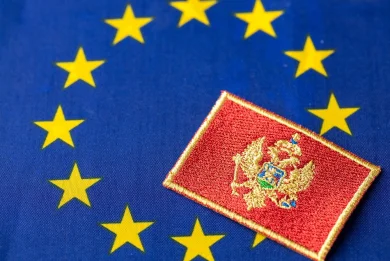
Germany is pressuring Croatia to swiftly and constructively resolve its bilateral disputes with Montenegro, warning that they could block Podgorica’s accession to the European Union. Berlin’s intervention comes as Montenegro is considered the most advanced candidate and hopes to become the 28th member state by 2028.
At the beginning of this week, Zagreb submitted a list of eight points it wants resolved before the accession negotiations are concluded. The disputes mainly concern property claims, contested borders, the investigation of war crimes and compensation for victims—issues linked to the legacy of the Yugoslav wars.
The government of Chancellor Friedrich Merz offered to mediate the conflict, but the initiative was not put into practice. Germany is seeking to maintain the pace of enlargement and prevent bilateral issues from affecting the entire process. France, Luxembourg and the European Commission have also discussed the matter with Zagreb, but Berlin is applying the strongest pressure.
Croatian Prime Minister Andrej Plenković maintains that Montenegro has made no progress over the past two years and that Zagreb’s demands are justified. In contrast, European officials accuse Croatia of raising the disputes at the last moment to pressure Podgorica. EU foreign policy chief Kaja Kallas warned that the accession process must not be derailed by bilateral issues.
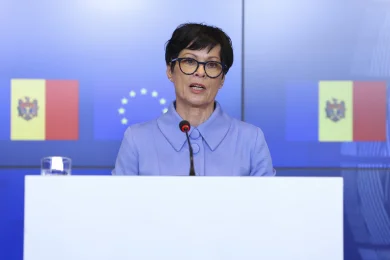
Brussels fears that blocking Montenegro’s candidacy would also affect the prospects of Albania, the Republic of Moldova and Ukraine, amid a geopolitical context in which EU enlargement is being used to strengthen the region’s Western orientation.
Sources


Latest News
13:58
13:58
13:53
13:49
13:46
See more news
NEWS ON THE SAME TOPICS