Europe records its highest number of West Nile virus infections, with 1,715 cases and 130 deaths in the EU



Always see our news on Google
In 2026, the European Union recorded the highest number ever reported of human cases of West Nile virus infection in a transmission season, with 1,715 locally acquired infections and 130 deaths as of October 7. The data were published on October 15 by the European Centre for Disease Prevention and Control (ECDC) and the European Food Safety Authority (EFSA), in a joint report showing that the virus circulated across an unprecedented geographical area. Romania reported 117 cases and seven deaths, while Belgium confirmed human infections acquired within its territory for the first time.
In brief
Across the 13 EU and EEA countries that reported local transmission, 1,715 cases were recorded, compared with an average of 693 for the same period over the past ten years.
Italy reported 748 cases, Greece 445, France 144, Spain 139, and Romania 117. Seven deaths were recorded in Romania.
The virus was identified in 187 regions in the EU and EEA, while Belgium reported its first 15 locally acquired human infections.
Across the monitored area of Europe, including certain non-EU countries, 1,855 human cases and 141 deaths were reported.
ECDC found no evidence that infections had become more severe in 2026, but it called for continued surveillance, prevention, and mosquito control.
Data published by ECDC and EFSA show an unprecedented increase in the number of reported West Nile virus infections in the EU and the European Economic Area (EEA). The 1,715 confirmed or probable human cases reported as locally acquired by October 7 represent more than twice the average of 693 cases recorded during the same period of the season over the past decade. Monitoring covers 13 EU and EEA member countries and 187 NUTS 3-level regions, the widest geographical distribution documented by the European surveillance system for a single season.
The increase in cases is accompanied by an expansion toward northern Europe. Belgium reported 15 locally acquired human infections, the first documented in the country, while the Netherlands recorded 59 cases and ten deaths. The emergence of local transmission in areas where no human infections had previously been reported shows that virus circulation is no longer limited to European regions traditionally associated with the disease, such as Mediterranean areas and the southeastern part of the continent.
“The emergence of West Nile virus varies considerably from year to year and is difficult to predict, but what we can do is make sure we are prepared. Earlier detection, better information, and effective mosquito control can help us reduce the impact of the virus as it spreads into new areas,” said Ole Heuer, Head of Unit at ECDC, in the statement published on October 15.
Italy remains the country with the most cases reported in 2026, with 748 locally acquired human infections and 56 deaths. Greece follows with 445 cases and 46 deaths. France reported 144 cases, while Spain reported 139. According to ECDC, Greece and France recorded the highest number of human West Nile virus infections in their national surveillance histories. Differences between countries reflect the virus’s geographical distribution, transmission conditions, and the capacity of detection and reporting systems.
In Romania, the 117 cases and seven deaths reported by October 7 represent a significant increase compared with the situation at the beginning of the season. On September 3, ECDC recorded 56 cases and two deaths in the country. Consequently, between the two reporting points, the cumulative total increased by 61 cases and five deaths. These differences concern notifications recorded in the surveillance system and do not mean that all the additional infections or deaths actually occurred during the interval between the two reports.
Compared with the entire 2025 season, for which ECDC reported 49 locally acquired infections in Romania, the number of cases notified in 2026 is already more than double. The comparison has a limitation: the 2025 data are surveillance results for the completed season, whereas the 2026 situation is still provisional and may be updated through subsequent reports.
The joint EFSA–ECDC report also includes European countries outside the EU and EEA, for which the total number of reported human infections reaches 1,855 and the number of deaths 141. These countries include Serbia, with 57 cases; North Macedonia, with 70; and the Republic of Moldova, with one reported case for which the place of infection has not been established. Totals for the whole of monitored Europe should not be confused with those for the EU and EEA, as they include additional populations and national surveillance systems.
Despite the record number of infections, ECDC states that the available data do not indicate an increase in disease severity in 2026. The proportions of reported cases requiring hospitalization, developing neurological symptoms, or resulting in death remained below the levels observed over the past decade. This finding does not lessen the seriousness of the situation for vulnerable people and does not mean that individual risk is identical in all regions. The absolute number of severe cases may remain significant when virus circulation is extensive.
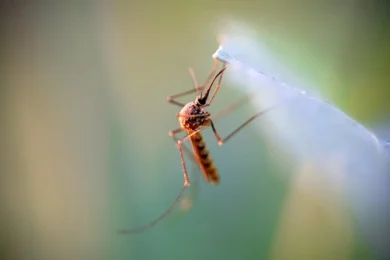
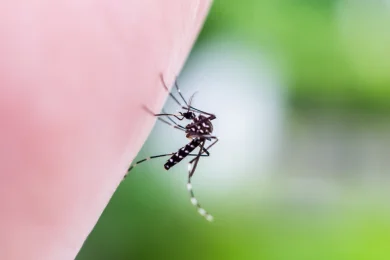
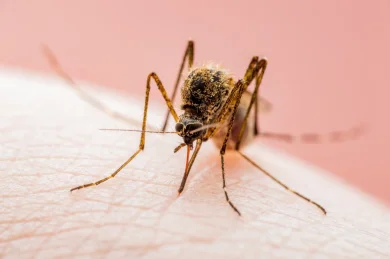
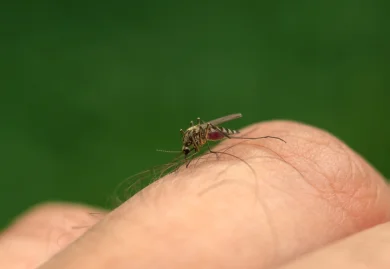
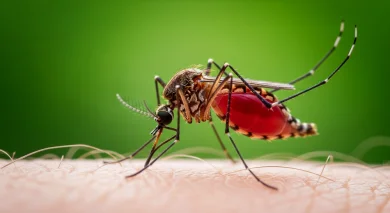
West Nile virus is transmitted primarily through the bites of infected mosquitoes, especially those of the genus Culex. In nature, the virus circulates between birds and mosquitoes, with birds contributing to the maintenance and amplification of transmission. Humans and horses may be accidentally infected through bites, but they do not ordinarily serve as sources through which mosquitoes continue the transmission cycle.
Approximately 80% of human infections cause no symptoms. Around 20% of infected people may develop West Nile fever, characterized by fever, headaches, muscle pain, fatigue, nausea, or skin rashes. Fewer than 1% of infections progress to severe neurological forms, such as meningitis, encephalitis, or acute paralysis. Older people and those with weakened immune systems face a higher risk of serious complications. There is no specific antiviral treatment or authorized vaccine for preventing infection in humans; medical care is tailored to the symptoms and severity of the disease.
The geographical expansion of the virus requires joint monitoring of people, animals, and the environment. Surveillance conducted by EFSA and ECDC includes human cases, as well as outbreaks identified in horses and birds, enabling authorities to detect viral circulation and take action before a large number of human infections occur. During the 2026 season, the European report recorded 511 outbreaks in equids and 595 in birds, confirming the extent of virus circulation in animal populations as well.
“West Nile virus is a clear example of why a cross-sectoral approach is essential. The virus circulates between mosquitoes and birds and can cause illness in humans and horses, so no single sector can manage the risk alone,” said Céline Gossner, Principal Expert at ECDC. She called for cooperation among public health, veterinary, and environmental authorities to improve risk assessment and ensure a coordinated response.
Epidemiological data are also important for the safety of blood donations. The virus can be transmitted through blood transfusion or organ transplantation from infected people, including when they have no symptoms. European rules provide preventive measures for donors exposed in areas with local transmission, including temporarily postponing donation for 28 days after leaving an affected area or applying individual donation testing to detect viral genetic material, in accordance with the relevant legal conditions. ECDC’s weekly maps help transfusion service officials identify the regions where these measures may be necessary.
For the public, prevention remains focused on reducing exposure to mosquito bites. ECDC recommends using repellent products, wearing clothing that covers the arms and legs, especially in the evening and at night, and using screens fitted to windows or over beds. Local authorities can reduce mosquito breeding sites by managing accumulations of stagnant water, monitoring insect populations, and applying control measures adapted to local conditions.
According to ECDC’s assessment, virus activity began to decline after the peak recorded in August and September, as conditions favorable to transmission decreased. However, new cases may still occur in the following weeks, including through the notification of infections identified earlier. European authorities will continue updating the data throughout the season, while health and veterinary services must maintain detection capacity, rapid information exchange, and prevention measures in affected regions.
Latest News
16:30
16:22
16:13
16:13
16:04
See more news
NEWS ON THE SAME TOPICS