The Commission asks Italy to quickly clarify whether it is fully using the SAFE loan of 14.9 billion euros.
Liviu Brăteanu



EU
Foto: Pixabay

Always see our news on Google
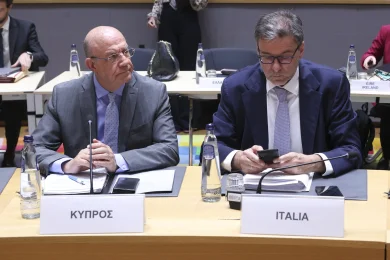
The European Commission is asking Italy to quickly clarify whether it intends to fully use the approved loan of 14.9 billion euros through the SAFE instrument for defense investments. The loan agreement has not yet been signed, and the Commission says it cannot wait until December to find out if Rome will request a smaller amount.
Any potential reduction would force the Commission to reopen the procedure and offer the remaining funds to other member states interested in additional loans. The institution must carry out this reallocation during the year 2026, which limits the time available for a decision from the Italian authorities.
In short, Italy has requested and received approval for a SAFE loan of up to 14.9 billion euros, intended for its defense investment plan. Payment cannot begin before the loan agreement between Italy and the European Commission is signed. The Commission believes that a decision made only in December would come too late if Italy were to give up part of the approved amount. Unused funds must be offered again to member states that wish to contract additional loans through SAFE. The estimate that approximately 10 billion euros could remain available depends on the still unsigned agreements and the amounts ultimately contracted by member states.
In short
Italy has requested and received approval for a SAFE loan of up to 14.9 billion euros, intended for its defense investment plan. Payment cannot begin before the loan agreement between Italy and the European Commission is signed. The Commission believes that a decision made only in December would come too late if Italy were to give up part of the approved amount. Unused funds must be offered again to member states that wish to contract additional loans through SAFE. The estimate that approximately 10 billion euros could remain available depends on the still unsigned agreements and the amounts ultimately contracted by member states. ---
The next step is the signing of the loan agreement and the documents that establish the implementation conditions. The Commission has stated that it wants a quick transition to this phase so that funding can reach the Italian authorities and the industrial projects included in the plan.
The discussion regarding the timeline arose after the Italian foreign minister indicated that Rome could decide by December whether to use the entire amount. The Commission considered this horizon too distant and requested clarifications much earlier, without communicating an exact date by which Italy is legally obliged to respond.
The issue arises if the Italian authorities decide to contract less than 14.9 billion euros. The remaining amounts must be redistributed to member states that want additional funding, and the Commission must relaunch the procedure during this year.
The Commission's spokesperson said that the optimal time for clarification would be immediately, as a decision made in the last days of the year would not leave enough time for reallocation. This position does not mean that Italy has already given up part of the loan.
The Commission described the messages coming from Rome as an indication that Italy currently intends to keep the approved amount. However, the institution wants the agreement to be signed so that the plan can move from approval to implementation.
The final contracted amount by Italy may also influence the estimate that approximately 10 billion euros of SAFE capacity could remain available. The Commission explained that the figure depends on several factors, including the loan agreements that have not yet been signed and the plans still in process.
Unused funds must first be offered to other member states interested in contracting additional amounts. Their specific destination cannot be established before the agreements are finalized and the value that remains effectively available is determined.
The full contracting of the loan would allow Italy to establish the projects and purchases that will be financed under its plan. The Commission appreciated that the Italian authorities presented a solid plan, but the choice of projects and how the Italian industry will participate in them remains the responsibility of Rome, in compliance with SAFE conditions.
---
SAFE can provide member states with loans of up to 150 billion euros to increase European defense capacity. The funding primarily aims at acquisitions made jointly by several states and projects that strengthen the European defense industry.
The amount of 14.9 billion euros represents the maximum approved ceiling for Italy and is not a payment already made. Funds can be transferred after the signing of the agreement and the fulfillment of the steps provided for the implementation of the plan.
The amount of 14.9 billion euros represents the maximum approved ceiling for Italy and is not a payment already made. Funds can be transferred after the signing of the agreement and the fulfillment of the steps provided for the implementation of the plan.
Any potential reduction would force the Commission to reopen the procedure and offer the remaining funds to other member states interested in additional loans. The institution must carry out this reallocation during the year 2026, which limits the time available for a decision from the Italian authorities.
In short, Italy has requested and received approval for a SAFE loan of up to 14.9 billion euros, intended for its defense investment plan. Payment cannot begin before the loan agreement between Italy and the European Commission is signed. The Commission believes that a decision made only in December would come too late if Italy were to give up part of the approved amount. Unused funds must be offered again to member states that wish to contract additional loans through SAFE. The estimate that approximately 10 billion euros could remain available depends on the still unsigned agreements and the amounts ultimately contracted by member states.
In short
Italy has requested and received approval for a SAFE loan of up to 14.9 billion euros, intended for its defense investment plan. Payment cannot begin before the loan agreement between Italy and the European Commission is signed. The Commission believes that a decision made only in December would come too late if Italy were to give up part of the approved amount. Unused funds must be offered again to member states that wish to contract additional loans through SAFE. The estimate that approximately 10 billion euros could remain available depends on the still unsigned agreements and the amounts ultimately contracted by member states. ---
The next step is the signing of the loan agreement and the documents that establish the implementation conditions. The Commission has stated that it wants a quick transition to this phase so that funding can reach the Italian authorities and the industrial projects included in the plan.
The discussion regarding the timeline arose after the Italian foreign minister indicated that Rome could decide by December whether to use the entire amount. The Commission considered this horizon too distant and requested clarifications much earlier, without communicating an exact date by which Italy is legally obliged to respond.
The issue arises if the Italian authorities decide to contract less than 14.9 billion euros. The remaining amounts must be redistributed to member states that want additional funding, and the Commission must relaunch the procedure during this year.
The Commission's spokesperson said that the optimal time for clarification would be immediately, as a decision made in the last days of the year would not leave enough time for reallocation. This position does not mean that Italy has already given up part of the loan.
The Commission described the messages coming from Rome as an indication that Italy currently intends to keep the approved amount. However, the institution wants the agreement to be signed so that the plan can move from approval to implementation.
The final contracted amount by Italy may also influence the estimate that approximately 10 billion euros of SAFE capacity could remain available. The Commission explained that the figure depends on several factors, including the loan agreements that have not yet been signed and the plans still in process.
Unused funds must first be offered to other member states interested in contracting additional amounts. Their specific destination cannot be established before the agreements are finalized and the value that remains effectively available is determined.
The full contracting of the loan would allow Italy to establish the projects and purchases that will be financed under its plan. The Commission appreciated that the Italian authorities presented a solid plan, but the choice of projects and how the Italian industry will participate in them remains the responsibility of Rome, in compliance with SAFE conditions.
---
SAFE can provide member states with loans of up to 150 billion euros to increase European defense capacity. The funding primarily aims at acquisitions made jointly by several states and projects that strengthen the European defense industry.
The amount of 14.9 billion euros represents the maximum approved ceiling for Italy and is not a payment already made. Funds can be transferred after the signing of the agreement and the fulfillment of the steps provided for the implementation of the plan.
The amount of 14.9 billion euros represents the maximum approved ceiling for Italy and is not a payment already made. Funds can be transferred after the signing of the agreement and the fulfillment of the steps provided for the implementation of the plan.

Latest News
20:27
The Ministry of Internal Affairs is stepping up patrols and security at strategic sites after a DIICOT investigation into a Russia-coordinated sabotage network
20:16
Eight EU countries call for tougher restrictions on nicotine products
20:14
Consiliul UE adoptă reguli care permit reduceri de până la 75% la taxele rutiere pentru camioanele și autobuzele cu emisii scăzute de CO₂
19:59
Alexander Stubb warns that Europe is going through an “era of darkness” amid wars and US-China rivalry
19:57
Clever Media takes over Doğan Media International: Kanal D and Prima TV come under the same media umbrella
See more news
NEWS ON THE SAME TOPICS
.webp)




Personalized news feed, AI-powered search, and notifications in a more interactive experience.