Six energy associations from Central and Eastern Europe create the CEE Energy Alliance. Romania participates through FPE



Always see our news on Google
Energy industry associations from Bulgaria, the Czech Republic, Greece, Poland, Romania, and Slovakia launched the CEE Energy Alliance in Sofia and signed a joint declaration on the region’s energy security and competitiveness. Romania is represented by the Energy Employers’ Federation, which says it initiated the effort three years ago. The alliance is an industry initiative, not a structure of the six governments, even though representatives of authorities from several countries attended the launch conference.
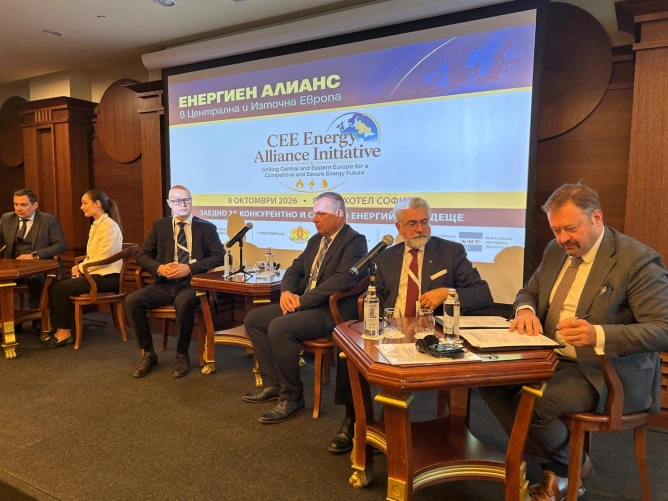
Six energy industry associations from Central and Eastern Europe launched the CEE Energy Alliance in Sofia, a regional platform through which organizations from Bulgaria, the Czech Republic, Greece, Poland, Romania, and Slovakia will seek to coordinate their positions on security of supply, competitiveness, investment, and the development of European energy policies. Romania is participating through the Energy Employers’ Federation, FPE, which states that the initiative is the result of an effort begun three years ago.
CEE Energy Alliance is not an alliance between the six governments and does not create a new intergovernmental body. The Sofia Declaration was signed by representatives of the six industry associations. The participation of ministers, state secretaries, and other officials in the conference shows political interest in the topics discussed, but does not turn the industry’s positions into official positions of the participating states.
In brief
1. CEE Energy Alliance brings together six energy industry associations from Bulgaria, the Czech Republic, Greece, Poland, Romania, and Slovakia.six energy industry associations from Bulgaria, the Czech Republic, Greece, Poland, Romania, and Slovakia.
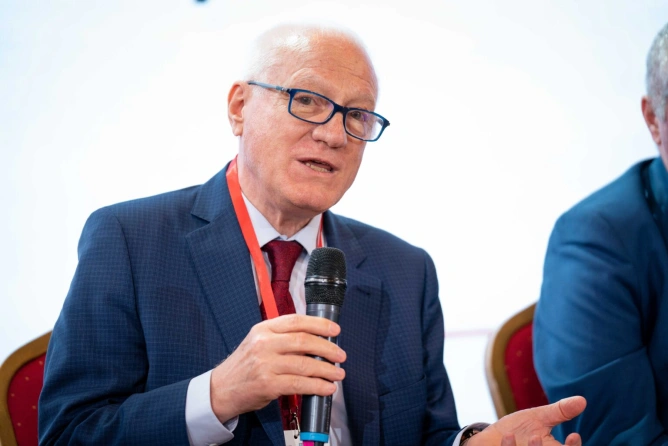
2. Romania is represented by the Energy Employers’ Federation, and the joint declaration was signed for FPE by President Franck Neel.Energy Employers’ Federation, and the joint declaration was signed for FPE by President Franck Neel.
3. The initiative seeks a more coordinated regional voice on security of supply, competitiveness, investment, and energy costs.security of supply, competitiveness, investment, and energy costs.
4. Government representatives from several of the six states also attended the launch in Sofia, including Romanian State Secretary Marius-Viorel Poșa.Marius-Viorel Poșa.
5. The presence of officials does not mean that the six governments have become members of the alliance or that they have automatically endorsed all the positions of the signatory associations.
The launch took place on October 8, as part of the international CEE Energy Alliance Initiative conference in Sofia, organized by the Bulgarian Petroleum and Gas Association, BPGA. The initiative seeks to provide the region’s energy industry with a more structured channel through which to formulate common concerns and participate in dialogue with national authorities and European institutions.
The six organizations come from economies with different energy structures, but share a number of regional challenges: exposure to price volatility, the need to diversify supply, investment in infrastructure, and the simultaneous pressure to keep costs affordable for industry and consumers while implementing the European energy transition.
The joint declaration places security and predictability of supply, conditions for investment, and access to energy at competitive costs at the center of cooperation. At the same time, the participating organizations state that these objectives must be pursued within the framework of the European energy transformation and the EU’s commitment to climate neutrality by 2050.
The alliance is primarily industrial in composition. Romania is participating through the Energy Employers’ Federation. The other signatory organizations come from Bulgaria, the Czech Republic, Greece, Poland, and Slovakia and represent segments of the oil, gas, fuels, and energy sectors. The intention is for the participants to continue the regional dialogue after the Sofia event as well, including through regular meetings.
For Romania, participation gives FPE the opportunity to introduce the concerns of Romanian energy companies more systematically into a regional position addressed to Brussels. Its relevance extends beyond representing a single national market: Central and Eastern Europe frequently seeks to show that infrastructure structure, energy dependencies, and the costs of the transition are not identical to those in the western and northern parts of the Union.
This does not mean, however, that CEE Energy Alliance represents Romania in European negotiations. The official positions of the Romanian state in the EU Council and in relations with European institutions are established by public authorities. FPE represents the interests of its private-sector members, and the Sofia Declaration should be read as the position of the signatory organizations.
The conference nevertheless benefited from significant government participation. The opening included remarks by Alexander Poulev, Deputy Prime Minister of Bulgaria, and Iva Petrova, Bulgaria’s Minister of Energy. Jan Sechter, Deputy Minister of Industry and Trade of the Czech Republic, Despoina Paliarouta, Secretary General for Energy and Mineral Resources in Greece, Kiril Temelkov, Deputy Minister of Energy of Bulgaria, and Marius-Viorel Poșa, State Secretary in Romania’s Ministry of Energy, also participated in the discussions.
The distinction between the political participants and the alliance’s signatories is important. Officials took part in the conference and in discussions on energy security and competitiveness, while the new structure consists of industry associations. The presented materials contain no joint decision by the six governments to create an interstate energy alliance.
The conference agenda included topics with a direct impact on companies and consumers throughout the region: security of gas supply, development of energy infrastructure, regulations on methane emissions, the Net-Zero Industry Act, and the economic impact of expanding the European emissions trading system, ETS2.
These dossiers may produce different effects from one state to another. Central and Eastern European economies have different rates of electrification, different infrastructure, and different levels of dependence on fossil fuels. From this perspective, the alliance is attempting to turn the industry’s common difficulties into a more coherent regional message for decision-makers.
The initiative must, however, demonstrate what it will produce beyond the launch declaration. An industry coordination platform can become relevant in Brussels if it formulates concrete proposals on legislation, investment, and infrastructure and if its positions are supported by comparable data from the six markets. In their absence, the alliance remains primarily a mechanism for business representation and dialogue.
For Romania, the next stage will show whether FPE can use this platform to connect issues such as energy prices, regional infrastructure, gas supply, and the costs of new European obligations with the legislative debates in which decisions are made at EU level. The weight of CEE Energy Alliance will thus depend less on the number of officials present at the launch and more on the ability of the six associations to build common, well-supported positions at European level.
Latest News
23:13
23:02
22:58
22:25
22:21
See more news
NEWS ON THE SAME TOPICS






.webp)