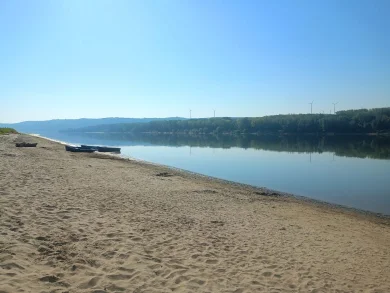
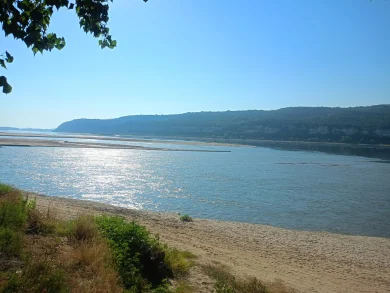
Hydrologists estimate low flows on the Danube and inland rivers in October, November and December 2026



Always see our news on Google
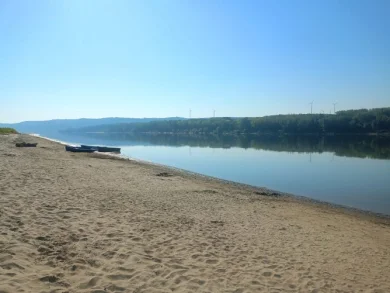
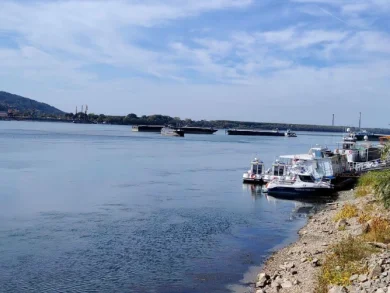
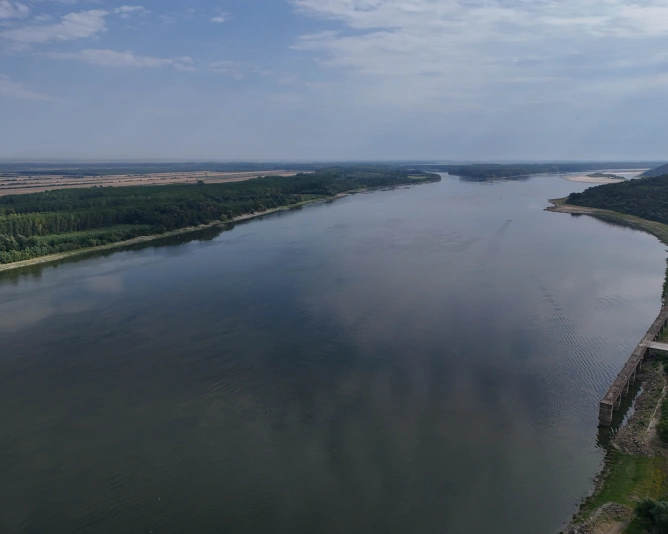
The Danube’s flow at the Baziaș gauging station, where it enters the country, will remain below the multi-year averages in October, November and December 2026, according to the forecast published by the National Institute of Hydrology and Water Management (INHGA). Reduced levels are also expected on inland rivers, generally ranging between 30% and 80% of the monthly averages.
In October, the Danube’s flow is expected to reach a maximum of 1,600 cubic metres per second, compared with the multi-year average of 3,900 cubic metres per second. In November, the forecast maximum is 2,000 cubic metres per second, compared with an average of 4,700 cubic metres per second. In December, the maximum flow is expected to reach 3,500 cubic metres per second, below the monthly average of 5,100 cubic metres per second.
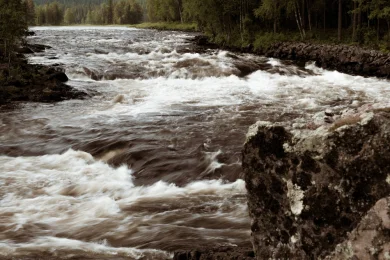
On inland rivers, the lowest levels are forecast in the Râmnicu Sărat and Bârlad basins and on waterways in Dobrogea. In December, flows on rivers in the Bârlad basin could fall below 30% of the multi-year average.
Higher levels, between 50% and 80%, are expected in certain basins in the north, centre and west of the country, including the Vișeu and Someșul Mare rivers, the Prahova basin and the upper sections of the Olt and Bistrița rivers. In December, hydrologists warn that initial ice formations may appear on some rivers in central and northern parts of the country.
Long-range estimates will be updated through short-term forecasts and hydrological warnings if weather conditions indicate the possibility of water levels exceeding defence thresholds.
治理Sources


Latest News
13:31
13:17
13:06
12:55
12:41
See more news
NEWS ON THE SAME TOPICS