Remus Ștefureac: Half of Romanians would vote for a new party amid a political and economic crisis



Always see our news on Google
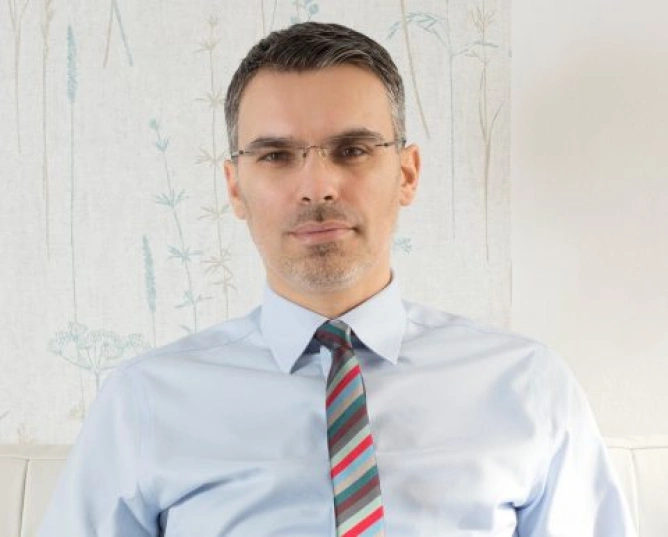
INSCOP Director Remus Ștefureac warns that chronic distrust in the political class, the economic crisis, hybrid warfare, and the fragmentation of Parliament are creating ample space for a new political formation, but its success depends on credible leaders and concrete solutions.
Half of Romania’s population would vote for a newly established party, according to an INSCOP survey presented by its director, Remus Ștefureac, in the Observator360 podcast. According to him, the percentage, approximately 50%, reflects a general desire for change and criticism of the existing parties, not a guarantee that a future formation would automatically obtain this support.
Ștefureac argues that Romania is going through a “major trauma of democracy,” fueled by accumulated distrust in institutions and leaders, the annulment of the 2024 elections, the prolonged political crisis, and the fragmentation of Parliament, where there are approximately 11 political groups. This climate makes it difficult to form majorities and amplifies political conflicts, while the population is dealing with inflation, rising energy prices, and the economic effects of the war in the neighboring country.
The INSCOP director explains that approximately 7–10 years ago, only around 30% of Romanians said they would vote for a new party, whereas today the percentage has risen to approximately 50%. He considers this a warning signal for the traditional parties, which are no longer responding adequately to citizens’ expectations.
A potential new party could be oriented toward a patriotic or national message, but not necessarily an anti-European one, given that 75–80% of Romanians remain attached to European ideas. Ștefureac also mentions the growth of the SENS party, which reaches around 4% nationwide and 15% among young people aged 18–30.
According to the analyst, the greatest hostility toward the political establishment is found among working-age people, especially young families aged between 30 and 45, affected by inflation, costs, and pressures related to children and education. This same category accounts for an important share of the AUR electorate.
Regarding the PSD, Ștefureac says that the party lost support after the no-confidence motion that led to the fall of the Bolojan Government, but later recovered its rating, reaching approximately 22–24% after entering government. He emphasizes that this increase may be temporary, and that the party’s trajectory depends on its ability to reduce waste, carry out reforms, and address economic problems.
Regarding President Nicușor Dan’s messages on VAT, taxes, and the deficit, Ștefureac believes that the basic principle is clear: the state cannot spend more than it has. However, he considers that the government has an obligation to protect vulnerable groups, including pensioners and low-income families, through compensation financed by reducing budgetary waste, reforming local administration and state-owned companies, and improving VAT collection.
“The knife has reached the bone,” says Ștefureac, explaining that the lack of guarantees that things would change fueled support for anti-system messages. However, he believes that the current crisis can become an opportunity for responsible parties to take concrete measures: reducing spending, eliminating privileges, collecting taxes more efficiently, and supporting those affected by the crisis.
Looking ahead, Ștefureac believes that responsible parties understand the seriousness of the moment, while continuity at the Ministry of Finance indicates a direction of fiscal rigor. He estimates that concrete measures over the next six months — merging certain administrations, reducing the costs of state-owned companies, and cutting waste — will be decisive for Romania’s credibility and for restoring citizens’ trust.
Latest News
22:50
22:26
22:04
21:45
21:27
See more news
NEWS ON THE SAME TOPICS


 (1).webp)
.webp)









 (1).webp)