AUR surpasses 40%: why the INSCOP director says that the major parties are fueling radicalization



Always see our news on Google
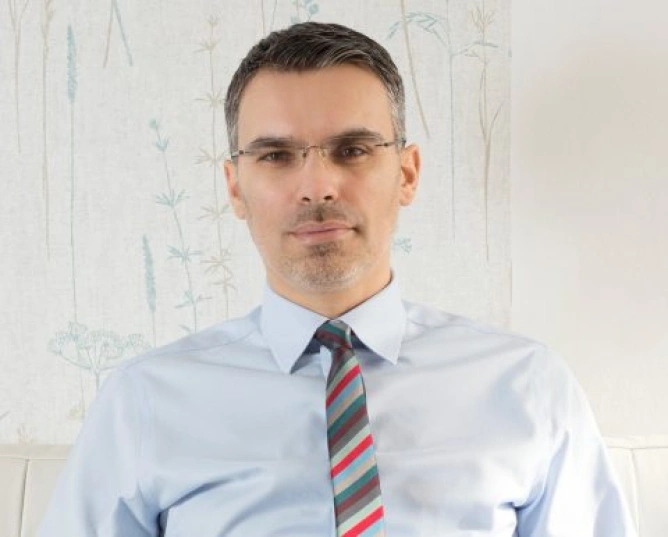
INSCOP Director Remus Ștefureac warns that the collapse of trust in traditional parties, the prolonged political crisis, and economic grievances are driving more and more voters toward AUR. He considers it a realistic scenario in which George Simion’s party reaches an absolute majority on its own, in the absence of a credible alternative.
In an interview for Aktual 24, prompted by the comparison with the very high score achieved by AfD in Saxony-Anhalt and the idea that Romania is going through a similar situation, in which AUR appears to have become the main beneficiary of social and political frustrations, Ștefureac says he is not surprised that AUR remains at approximately 40%, but rather that the party is not rising even further, given the successive crises and the lack of coherence in governance.
The INSCOP director emphasizes the deadlock among traditional parties, their infighting, and their inability to build a functional political compromise. In his opinion, people see higher prices, heavier bills, and few economic opportunities, but they are not receiving a clear development project from the political class. This rift between the public agenda and the parties’ agenda would create fertile ground for radical populism.
Ștefureac states that the electoral potential of the radical camp is already very large: if we add together support for AUR and for parties such as SOS or POT, the result exceeds 46–47% in voting intention. He also says that, in the absence of new and credible alternatives, these votes could consolidate even further.
Another argument cited is the feeling of social abandonment, found both in East Germany and in Romania, where nostalgia for communism remains high. In his view, AUR attracts not only voters from rural areas, the diaspora, and small towns, but also groups such as small entrepreneurs, amid dissatisfaction with living costs and the lack of prospects.
Nevertheless, Ștefureac rejects the idea of an imminent slide toward totalitarianism. He says that Romanian society has demonstrated, over 35 years, a capacity for resilience through changes in government and an active civil society, but warns that the negative effects of the current crisis are already visible and could become more serious.

Latest News
10:38
10:12
10:01
See more news
NEWS ON THE SAME TOPICS
.webp)

.webp)