What you need to know about the Pink Moon and the Blue Moon, the two astronomical phenomena this spring.
Lara Maior


Environment
Beautiful creator786/ Shutterstock.com

Always see our news on Google
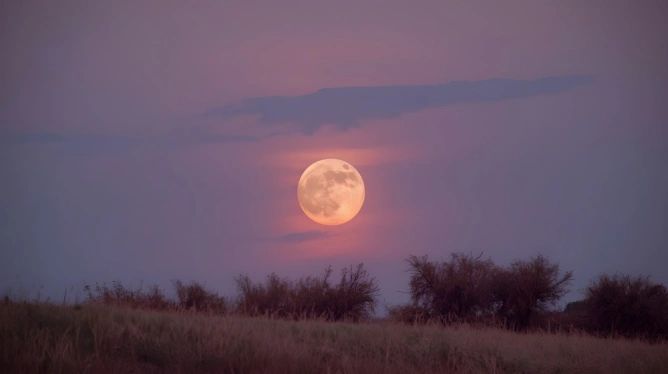
Spring brings two remarkable astronomical events: the 'Pink Moon', the first full moon of the season in the northern hemisphere, will be visible on April 1, and the 'Blue Moon', a rare phenomenon, on May 31. The 'Pink Moon' will reach its maximum phase on April 1, having a symbolic association with Jewish and Christian religious celebrations, marking the beginning of Passover and influencing the date of Easter. It will appear close to the star Spica, providing an impressive visual display. The name 'Pink Moon' comes from the pink phlox flower, which blooms in April. After the 'Pink Moon', on May 1, there will be the 'Flower Moon', and on May 31, there will be the 'Blue Moon', the second full moon of a calendar month. Observers are encouraged to check the sunrise and sunset times to make the most of these phenomena.
Sources

Evenimente astronomice de neratat în această primăvară. Când și cum poți vedea „Luna Roz” și „Luna Albastră”

Cum poți observa „Luna Roz” din aprilie, urmată de o „Lună Albastră” în luna mai. Primul eveniment astronomic începe mâine

Primăvara vine cu două spectacole cosmice. Când pot fi observate "Luna Roz" și "Luna Albastră"
Latest News
11:55
Prime Minister Luca Niculescu warns that peace is no longer guaranteed and announces three priorities for modernizing the Romanian Army
11:38
Minister of Defense, Ștefan Radu Oprea, calls for strengthening prevention and response capabilities amid risks in the Black Sea region
11:23
Barack Obama attacks Donald Trump’s administration and mobilizes voters for Democratic candidates in Ohio
11:20
France and the United Arab Emirates have resumed negotiations on developing a modernized version of the Rafale fighter jet
11:12
Volkswagen employees are threatening strikes from January 2027 if the automaker does not reverse its decision regarding wage agreements
See more news
NEWS ON THE SAME TOPICS
Current Affairs
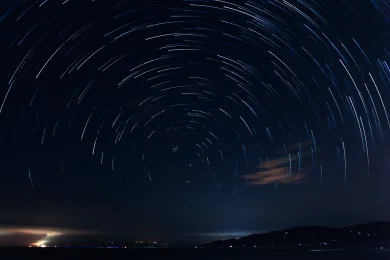
Perseids 2026: The summer meteor show will reach its peak activity on August 13, 2026

Current Affairs
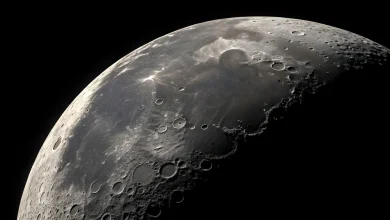
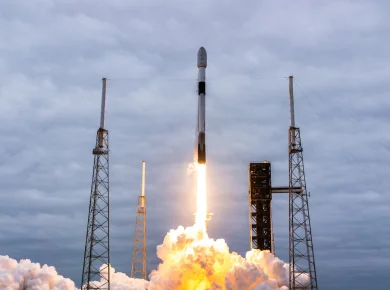
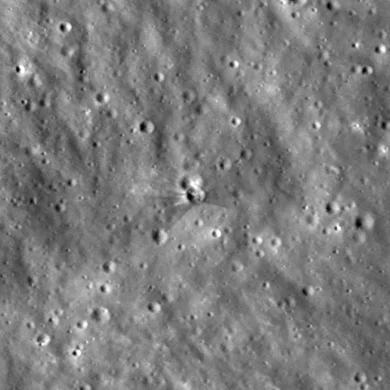
A SpaceX rocket will collide with the Moon/ The impact will provide research opportunities on the lunar composition

Personalized news feed, AI-powered search, and notifications in a more interactive experience.