Swedes vote on Sunday / Elections could bring the far right into government



Always see our news on Google
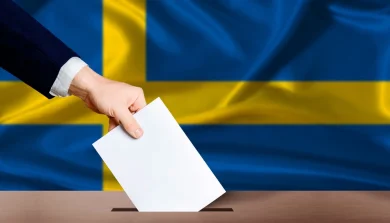
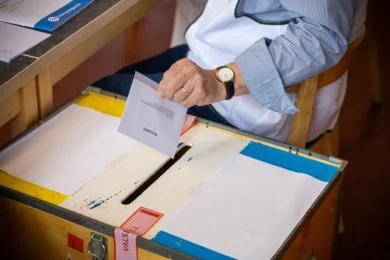
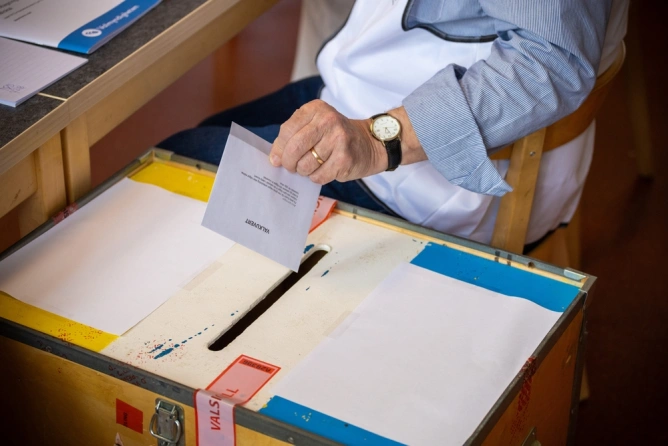
Nearly eight million Swedes are called to the polls on Sunday for the legislative elections, in a close race that could lead either to the formation of a new left-wing government led by Social Democrat Magdalena Andersson or to the continuation of the current right-wing coalition led by Prime Minister Ulf Kristersson.
The left-wing bloc held a significant advantage for several months, but the gap narrowed considerably during the final two weeks of the campaign. The result could have consequences for Europe’s security and for the debate over integrating the far right into European governments.
The Swedish parliament, the Riksdag, has 349 seats, and mandates are distributed proportionally. Parties must obtain at least 4% of the national vote to enter the legislature, while coalition-building is common practice. Parliamentary elections are held simultaneously with regional and local elections.
Kristersson leads the right-wing government with the support of the Sweden Democrats, a far-right party led by Jimmie Åkesson, which has supported the executive without holding ministerial portfolios so far. The prime minister has announced that, in the event of a victory, he could offer them positions in the government, a decision criticized by Magdalena Andersson.
The election is therefore also about the entry of the party led by Jimmie Åkesson into the Swedish cabinet.
Sources



Latest News
18:44
18:31
18:10
18:00
17:53
See more news
NEWS ON THE SAME TOPICS