Between political egos and the "Junk" abyss


Always see our news on Google
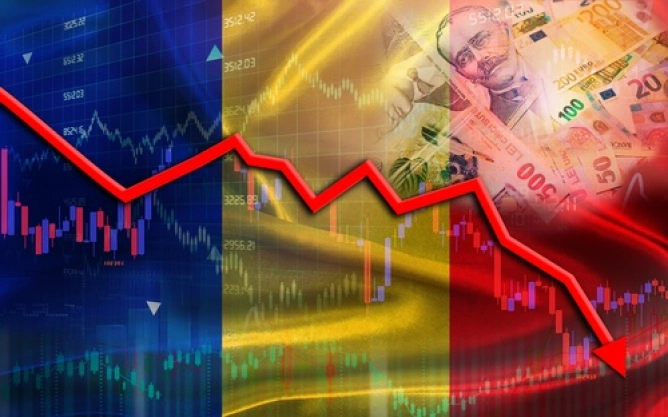
Politicians remain trapped in an endless dance of egos, electoral calculations, and day-to-day survival. In the meantime, the real economy of Romania is holding its breath on the edge of the abyss. The fiscal-budgetary results from the first part of the year hide a brutal reality: the stability of the country hangs by a thread. Romania is teetering on the last step of the rating recommended for investments, with a negative outlook from international agencies Fitch and Moody's. A downgrade to "junk" (speculative) status would not only be a simple bad mark in an external catalog but the trigger for an automatic exodus of capital, which would sweep away the little stability that remains.
The comforting figures from the first five months, when the deficit was artificially tightened to 1.75% of GDP through desperate collection measures and a partial freeze on spending, tend to become the perfect anesthetic for a country incapable of structural reform. The 22.9% increase in VAT collections shows that the tightening mechanisms are functioning temporarily, but this momentary discipline is an exception in a landscape dominated by unpredictability and political cynicism.
The true enemy of the Romanian economy is not the international context, but chronic political instability. The sterile disputes within the coalition and the prioritization of party agendas to the detriment of the macroeconomic strategy weaken the country in the face of rating agencies. Moody's, Standard & Poor's, and Fitch do not evaluate intentions, but predictability. However, how can one speak of predictability when the 7-year fiscal calendar negotiated with Brussels is treated in Bucharest as a secondary option, subordinated to electoral interests?
The impact of this political theater on the real economy is devastating. Romanian entrepreneurs and private companies pay daily the cost of this instability. In an economy where real GDP growth is crawling anemically at 0.1%, and inflation remains stuck at a suffocating 7%, the private sector is the one bearing the burden of expensive loans and lack of vision. Investors do not flee from high taxes, but from chaos; and when government decisions change from one week to another to extinguish internal political fires, private capital hesitates. Development plans are postponed, hiring is halted, and the country's competitiveness is collapsing—a reality confirmed by the dramatic drop to 61st out of 70 in the IMD world ranking.
The tragedy is that Romania has a huge lifeline available: European funds and the PNRR. However, the money from Brussels comes with heavy milestones and reforms—the exact kind of commitment that politicians avoid to not lose percentages in polls. Institutional blockages in the implementation of the PNRR force the state to continue funding infrastructure through massive external loans, at suffocating interest rates, instead of using the free money from the Union.
To stop the slide, an urgent decoupling of economic decision-making from party interests is needed. The government must politically assume a firm extension of the budget spending cap and a freeze on state hiring, alongside a real and aggressive digitization of ANAF, which should eliminate tax privileges and evasion, not suffocate all honest taxpayers.
The reduction of the deficit in the first part of the year has only demonstrated that the state apparatus can mobilize when the situation becomes dire. However, if in the second half of the year the Executive returns to old habits of waste and electoral handouts to buy political calm, the backlash will definitively tighten the noose around the economy.
Latest News
09:32
09:21
09:18
09:08
09:07
See more news
NEWS ON THE SAME TOPICS
.webp)