NASA's Perseverance rover has recorded electrical discharges on Mars, providing new information about the planet's atmosphere and the risks for future missions.
Liviu Brăteanu


IT&C knowledge
Foto: Pixabay

Always see our news on Google
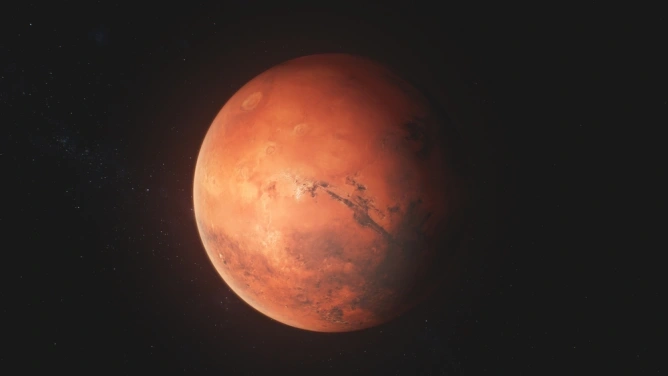
NASA's Perseverance rover has made a significant discovery by detecting electrical discharges on Mars, called 'mini-lightning', during the exploration of Jezero Crater. These discharges were captured by the SuperCam instrument, which recorded 55 electrical events in 28 hours of observation. The electrical activity in the planet's thin atmosphere has important implications for atmospheric chemistry, climate, and habitability of Mars, as well as for future missions.
Researchers explained that these discharges are caused by friction between dust particles, which accumulate electric charges and discharge in the form of small electric arcs. This electrical activity on Mars joins similar phenomena observed on Earth and other planets, but is more likely due to the thin carbon dioxide atmosphere. The discovery provides a new understanding of Martian atmospheric dynamics and the risks to electronic equipment and astronauts in future explorations.
Researchers explained that these discharges are caused by friction between dust particles, which accumulate electric charges and discharge in the form of small electric arcs. This electrical activity on Mars joins similar phenomena observed on Earth and other planets, but is more likely due to the thin carbon dioxide atmosphere. The discovery provides a new understanding of Martian atmospheric dynamics and the risks to electronic equipment and astronauts in future explorations.
Sources

Un rover al NASA a detectat pentru prima dată descărcări electrice pe planeta Marte. „Minifulgere”

Un rover al NASA a detectat descărcări electrice - "minifulgere" - pe planeta Marte

„Minifulgere” pe Marte. Un rover al NASA a detectat pentru prima dată descărcări electrice, asociate cu „diavoli de praf”
Latest News
22:59
Bucharest Stock Exchange: The BET index rose by 0.36%, while trading in shares and bonds exceeded 143 million lei
22:55
Robert Sighiartău thanks Sorin Grindeanu for bringing the PNL into opposition and giving the party a chance to reform
22:44
Prime Minister Luca Niculescu says that the second-pillar pension system must not be altered and rejects using the money for financial recovery
22:40
Prime Minister Luca Niculescu announces talks on energy and capping fuel prices: “The energy issue is a major one”
22:40
Steve Witkoff travels to Russia / The U.S. envoy will present Vladimir Putin with proposals discussed with Volodymyr Zelenskyy and European leaders
See more news
NEWS ON THE SAME TOPICS
Current Affairs
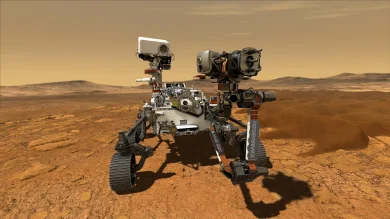
NASA’s Perseverance rover has traveled 45.2 kilometers on Mars, surpassing the record set by Opportunity

IT&C knowledge
Astronomers have detected the most distant fast radio burst, produced in a young galaxy more than 10 billion years ago

IT&C knowledge
The first private mission to Venus has been postponed
IT&C knowledge
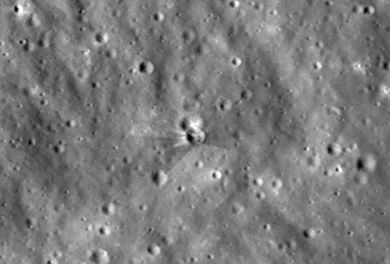
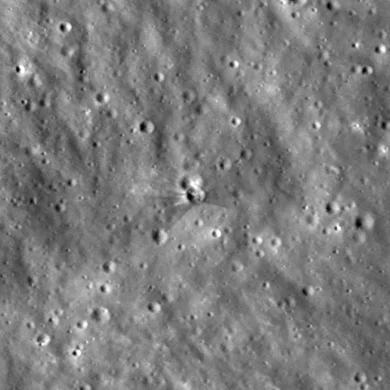
NASA has published images of the crater formed on the Moon after the Falcon 9 rocket stage crashed on August 5.

Personalized news feed, AI-powered search, and notifications in a more interactive experience.