EU adopts Mario Draghi’s plan, but competitiveness reforms are progressing slowly in Brussels



Always see our news on Google
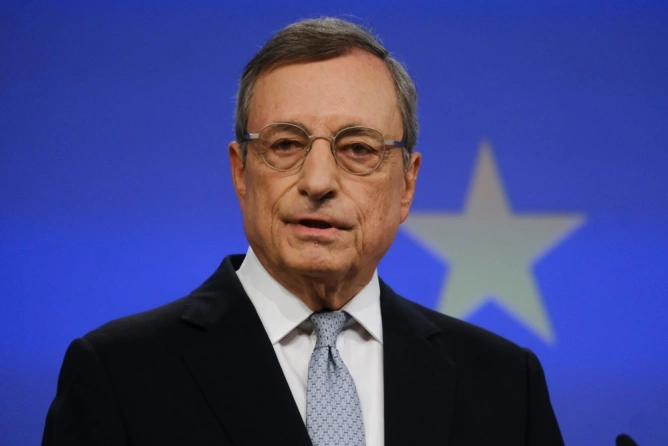
Two years after Mario Draghi’s warning about the “existential” threat posed by Europe’s economic decline, the former Italian prime minister’s plan has become the official agenda of the European Union, but the implementation of the measures still lags far behind the political statements. The European Commission has proposed reforms inspired by the report published by Draghi in September 2024, including a €410 billion European Competitiveness Fund, investments in defense, energy, telecommunications, research, and the automotive industry. However, negotiations among the member states have reduced the initial ambitions. Governments are defending agricultural funding, regional funds, and national powers, while important projects remain stalled in the legislative process.
In the area of finance, the idea of a European market capable of rivaling Wall Street is advancing slowly, while plans for joint supervision and the mobilization of private savings are facing opposition. Additional common debt is rejected by the “frugal” states, while national fragmentation persists in telecommunications and energy. The Commission has accelerated measures for defense and cybersecurity, but Europe remains dependent on foreign technology and cloud providers. In the automotive industry, easing emissions targets did not prevent Volkswagen from announcing massive cost cuts and up to 100,000 layoffs.
Draghi’s frustration with the pace of reforms led him to co-found the Rhine Group, alongside Patrick Collison, to pressure European leaders to move from diagnosis to action. The group’s report warns that Europe’s situation is more difficult than in 2024, while disputes over the budget, agriculture, and the green transition show how difficult it is for the EU to establish common priorities.
Sources



Latest News
15:32
15:25
15:25
15:24
15:23
See more news
NEWS ON THE SAME TOPICS