The authorities in Split, Croatia, are restricting the sale of alcoholic beverages in tourist areas starting with the summer season.
Cristiana Dida


International
Foto: Pexels

Always see our news on Google
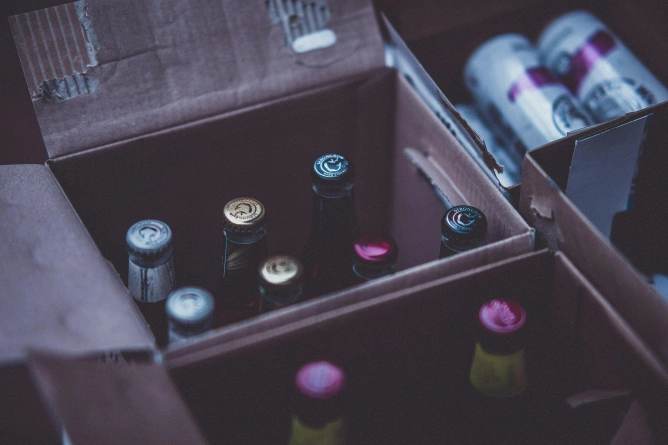
The authorities in Split, Croatia, have decided to ban the sale of alcohol in shops and supermarkets after 8:00 PM, in response to problems caused by tourists in a state of intoxication in the historic center. Mayor Tomislav Šuta described these scenes as "unacceptable." The measure, which will come into effect in the summer, will limit alcohol sales in tourist areas between 8:00 PM and 6:00 AM, but will not apply to bars, clubs, and restaurants.
This decision is seen by local business people as an attempt to transform the city's image from a party destination into a cultural and historical one, promoting responsible alcohol consumption. Other cities in Croatia, such as Hvar and Dubrovnik, have implemented similar measures to manage excessive tourism and protect cultural heritage.
This decision is seen by local business people as an attempt to transform the city's image from a party destination into a cultural and historical one, promoting responsible alcohol consumption. Other cities in Croatia, such as Hvar and Dubrovnik, have implemented similar measures to manage excessive tourism and protect cultural heritage.
Sources

Oraşul turistic care a interzis consumarea alcoolului după ora 20

Split, primul oraș din Croația care interzice vânzarea alcoolului după 20:00

Split a devenit primul oraș din Croația care interzice vânzarea de alcool în magazine după ora 20.00

Un cunoscut oraș interzice vânzarea de alcool după ora 20.00. Măsura se aplică tuturor magazinelor
Latest News
09:25
Yandex says its cloud infrastructure was damaged after a drone attack on a data center in Russia
09:02
Donald Trump says Vladimir Putin wants peace, while Volodymyr Zelensky refuses to compromise
08:56
PepsiCo cuts its 2026 profit forecast and announces new cost-cutting measures
08:38
IKEA could turn its stores in Denmark into shelters or temporary hospitals in the event of major crises
08:19
Hurricane Isaias killed four people and left 670,000 residents without power in the southeastern U.S.
See more news
NEWS ON THE SAME TOPICS



Personalized news feed, AI-powered search, and notifications in a more interactive experience.