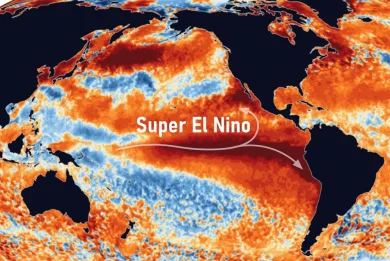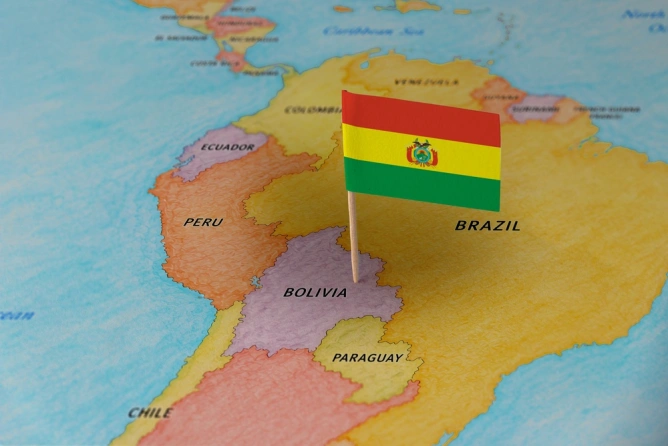

Before the announcement in Bolivia, the World Meteorological Organization warned that the El Niño phenomenon would intensify in the coming months, potentially reaching its peak in December and persisting until February 2027, amid an almost 100% probability. WMO estimates indicated above-average temperature increases in the equatorial Pacific Ocean, with a forecast for October–December of approximately 3.7 degrees Celsius above average.
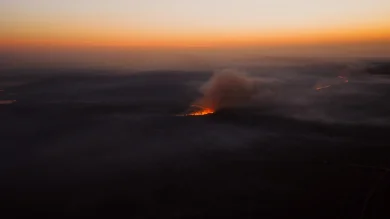
At the same time, the World Meteorological Organization and WHO called on health systems to prepare for maximum intensity, as these episodes can amplify the risks of extreme heat, drought, flooding, and wildfires, including through effects on the transmission of certain diseases. In parallel, researchers estimated that the “super” variant could lead to tens or hundreds of thousands of additional heat-related deaths between June 2026 and March 2027, while meteorologically, the Pacific had reached temperatures above 30°C, a sign that an extreme episode was taking shape.


.webp)