Panamanian authorities are reducing transits through the canal amid drought and the risk of El Niño intensifying



Always see our news on Google
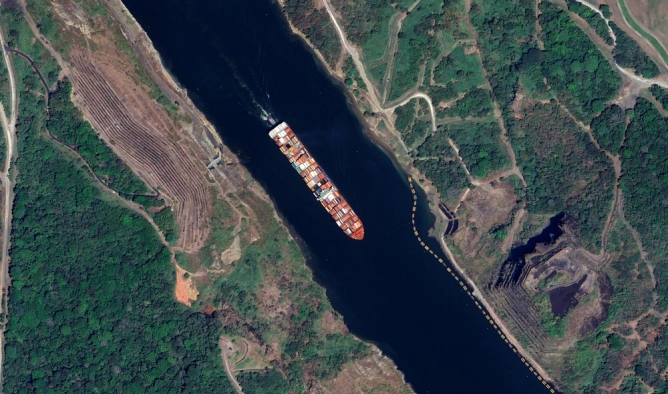
Panamanian authorities will reduce in October the number of vessels allowed to transit the Panama Canal daily to 29.5, from 36 in August and 32 in September, amid falling water levels and the risk that the El Niño phenomenon will intensify. The measure represents a reduction of approximately 18% compared with August.
The Panama Canal, 82 kilometers long, connects the Caribbean Sea with the Pacific Ocean and is an essential route for global transport. Approximately 5% of global maritime trade and around 40% of U.S. container traffic pass through the canal.
The operation of the locks depends on fresh water from the rivers that feed Gatun Lake. When water levels fall, authorities limit the number and size of vessels to protect reserves and maintain navigation safety. The watershed recorded less rainfall in September than estimated.
The situation could be worsened by El Niño, which is forecast to reach maximum intensity later this year. Nine countries in Central America and northern South America experienced the highest temperatures for the June-August period this summer.
The restrictions come at a difficult time for maritime transport. In August, vessels waited up to ten days for access to the canal, while a container ship reportedly paid approximately four million dollars to avoid the queue.
A similar drought in 2023 reduced transits from 38 to 22 per day and caused blockages and additional costs.
Sources


Latest News
22:58
22:44
22:41
22:21
22:08
See more news
NEWS ON THE SAME TOPICS
.webp)