WHO and WMO urge health systems to prepare before El Niño reaches very high intensity



Always see our news on Google
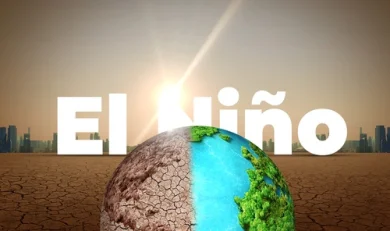
Health systems should use the available warning months to prepare disease surveillance, extreme heat plans, and responses to drought, floods, and wildfires before the current El Niño event reaches peak intensity, the World Meteorological Organization and the World Health Organization warn.
WMO estimates that El Niño is already firmly established and will intensify into a very strong event toward the end of the year. Forecasts from global meteorological centres indicate an almost 100% probability that the phenomenon will persist until February 2027.
In brief, El Niño is already established and is expected to become very strong before reaching its peak toward the end of the year. WMO estimates an almost 100% probability that the event will persist until February 2027. WHO treats El Niño as a risk multiplier for extreme heat, drought, floods, wildfires, smoke, air pollution, mosquito-borne diseases, food insecurity, and other health problems. The most serious effects are expected where climate shocks overlap with fragile healthcare systems, limited access to care, food insecurity, population displacement, or humanitarian crises. The assessment is global. Risk ratings and projected effects cannot be automatically applied to Romania or another European country without specific regional forecasts and assessments.
El Niño occurs when sea-surface temperatures in the central and eastern equatorial Pacific become unusually high and alter atmospheric circulation.
The phenomenon does not produce the same type of weather everywhere. In some regions, it increases the likelihood of heavy rainfall and flooding; in others, it favours drought or high temperatures.
WMO says exceptionally high temperatures in the Pacific are supporting further intensification of the current event and that climate impacts may extend into 2027.
For health, the issue is not only temperature. The 63-page WHO report examines heat, water, food, infectious diseases, and the capacity of health systems to respond together.
Extreme heat can worsen cardiovascular, respiratory, kidney, and metabolic diseases and can particularly affect older people, children, outdoor workers, and people living in poorly ventilated homes.
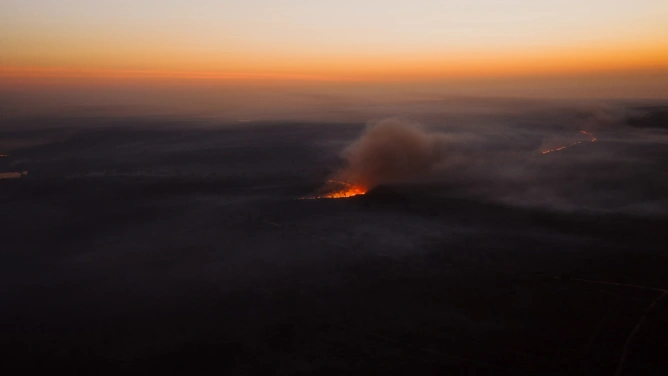
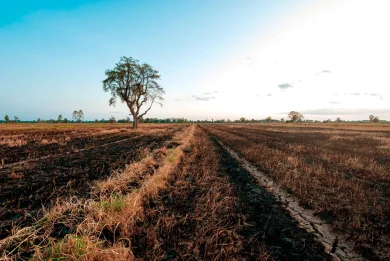
Drought can reduce water availability and food production, while wildfires can generate smoke and significantly worsen air quality.
In other areas, heavy rainfall and flooding can contaminate water sources, disrupt health services, and create conditions favourable to disease outbreaks.
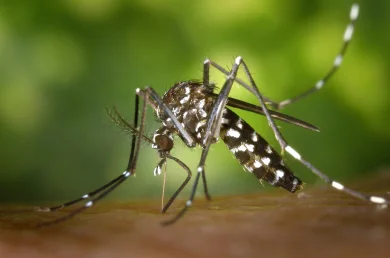
Changes in temperature and rainfall can also alter mosquito distribution and the length of transmission seasons for diseases such as dengue, chikungunya, malaria, yellow fever, or Zika.
WHO nevertheless stresses that El Niño is a factor that can amplify risks, not an automatic explanation for every disease outbreak or extreme weather event.
This distinction is also important for Europe. A global forecast of a very strong El Niño does not mean that all European countries will experience the same anomalies or the same level of health risk.
The WHO report is designed specifically to support differentiated assessments by country and region. Authorities are encouraged to combine seasonal weather forecasts with information on vulnerable populations, hospital capacity, circulating diseases, and water and food security.
WMO warns that the interval between the forecast and the phenomenon’s peak represents a window for prevention. Measures may include heat-warning systems, hospital continuity plans, disease surveillance, emergency-service preparedness, and coordination between health authorities and meteorological services.
For the Southern Hemisphere, the critical period overlaps with the summer at the beginning of 2027, which may heighten the risks of heat, drought, wildfires, and smoke in regions already exposed.
For European countries, the concrete impact will need to be monitored through regional and national forecasts in the coming months, rather than inferred directly from the global classification of the El Niño event.

Latest News
07:45
07:39
07:27
07:20
22:57
See more news
NEWS ON THE SAME TOPICS
.webp)