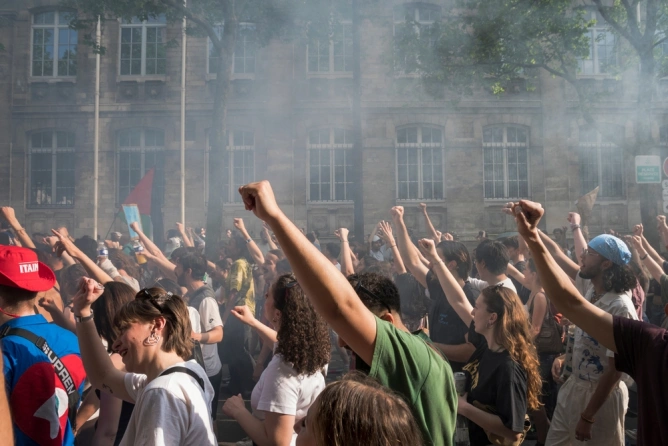

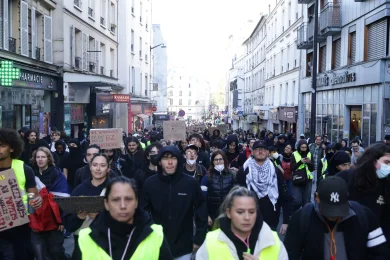
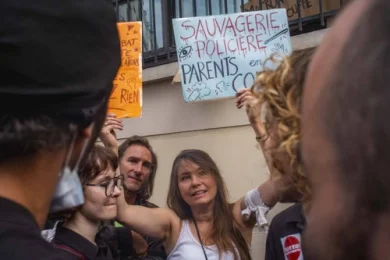
The movement began in mid-September as protests in high schools in the poor suburbs of Paris, amid a lack of teachers and precarious conditions in schools, and then brought together pupils, students, trade unions, and members of the “Yellow Vests.” On October 17, tens of thousands of people took to the streets in protest across France, while in Paris 61 people had been detained by 11:00 a.m., after two undeclared marches were also dispersed.
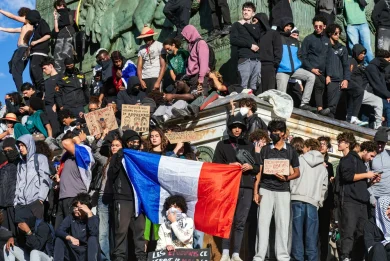
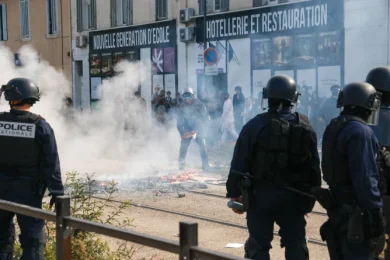
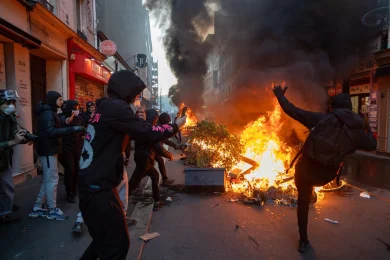
Subsequently, the demonstrations continued with episodes of violence: amid concerns about “new violence,” Prime Minister Sébastien Lecornu warned of the risks after more than 900 police officers had been injured since the beginning, while the authorities announced restrictions and bans in strategic areas, including the Champs-Élysées and railway stations, as well as measures against the use of bottles or canisters containing petrol or gas.
Before another weekend of demonstrations, the French government also announced preparations for an organized response: a massive mobilization of law enforcement forces and talks with trade unions to “guarantee the right to protest,” against the backdrop of previous demonstrations involving clashes, looting, and arson, while Parliament decided to launch an inquiry into the riots, including possible shortcomings in the intelligence services.




 (1).webp)