



EXCLUSIVE Ranking of countries in relevant online sources in Romania: Ukraine and Russia dominate the foreign affairs agenda. China gains visibility through the summit in Shenzhen



Always see our news on Google
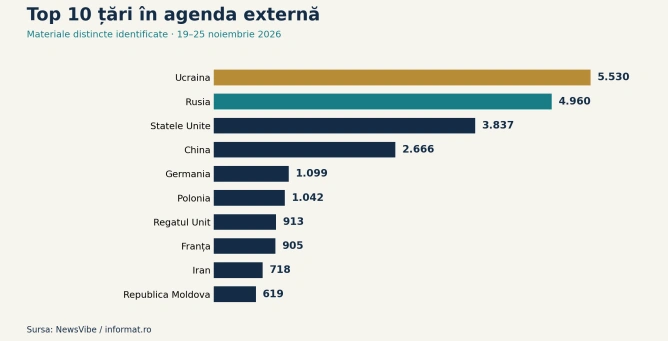
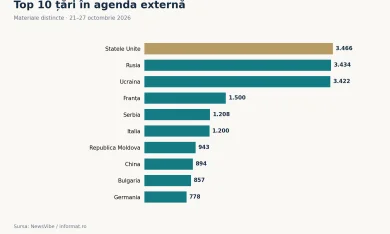
During the period November 19–25, 2026, Ukraine leads the ranking, followed by Russia and the United States. The war and peace negotiations dominate foreign affairs coverage, while the trilateral meeting in Shenzhen brings China into the spotlight.
A dominant geopolitical core
Ukraine leads the ranking in foreign visibility, ahead of Russia and the United States. China ranks fourth. The gap between this group and the next tier suggests an agenda strongly shaped by the conflict in Eastern Europe and negotiations among the great powers. The two conversations intersect but are not identical: one follows military developments and the conditions for peace, while the other follows relations among Washington, Moscow and Beijing.
In coverage of Ukraine, Russian attacks, security guarantees, and prospects for NATO membership form a recurring core of coverage. Russia is present both through its military actions and its diplomatic positions. Reports on the rejection of NATO-style security guarantees for Kyiv illustrate the difference between simply ending hostilities and negotiating a security architecture acceptable to the parties.
From conflict to great-power diplomacy
The United States has cross-cutting exposure. Reports on the meeting between Donald Trump, Vladimir Putin, and Xi Jinping add to discussions concerning military support for Ukraine, trade relations, and the Iranian dossier. China benefits from a diplomatic boost centered on the summit, but also has its own economic conversation: U.S. tariffs, European imports of hybrid vehicles, and competition for technology. In this regard, Beijing’s visibility is not limited to its role in negotiations concerning Ukraine.
Germany and Poland open the second tier. In the case of Germany, debate over continuing aid to Kyiv coexists with European economic and institutional topics. Poland has a profile more closely linked to regional security, through reports on air incidents, NATO meetings, and warnings concerning sabotage and hybrid threats. These topics bring the consequences of the conflict closer to the Romanian public.
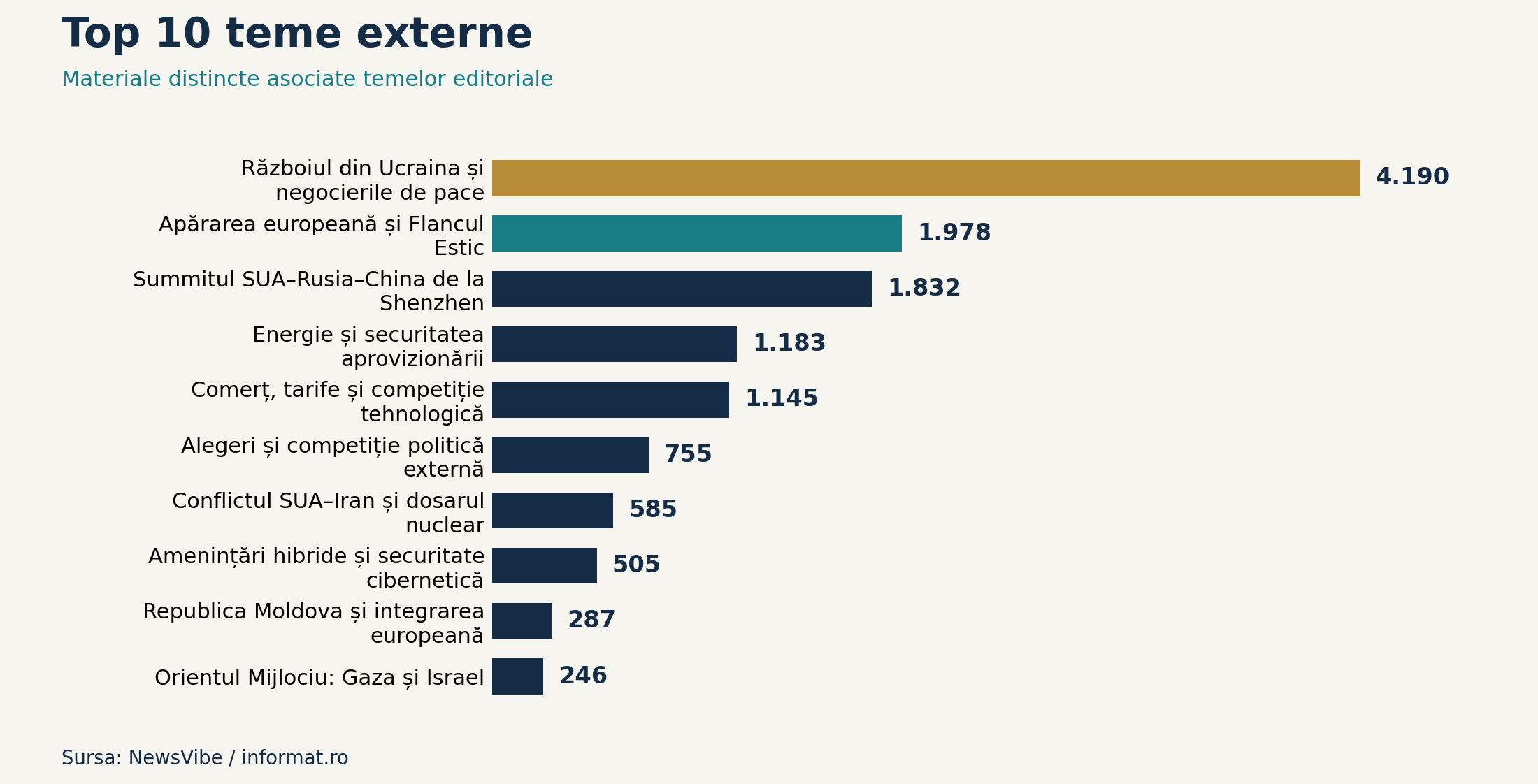
Fig. 1 — Themes may coexist in the same material; the values are not additive.
War, defense, and the summit shape the agenda
The war in Ukraine and peace negotiations dominate the thematic agenda, followed by European defense and the security of the Eastern Flank, and then the Shenzhen summit. This relationship between themes shows that interest in great-power diplomacy does not replace coverage of the conflict, but complements it. At the same time, energy and trade, tariffs, and technological competition broaden the agenda toward the economic effects of international tensions.
The Iranian dossier is fueled by statements from the U.S. administration regarding the possibility of new attacks and the conditions for a nuclear agreement. The security of oil routes links this conversation to the energy theme. Hybrid threats introduce another dimension of security, beyond conventional military confrontation. Reports on cyberattacks and disinformation show the diversity of risks discussed in the information space.
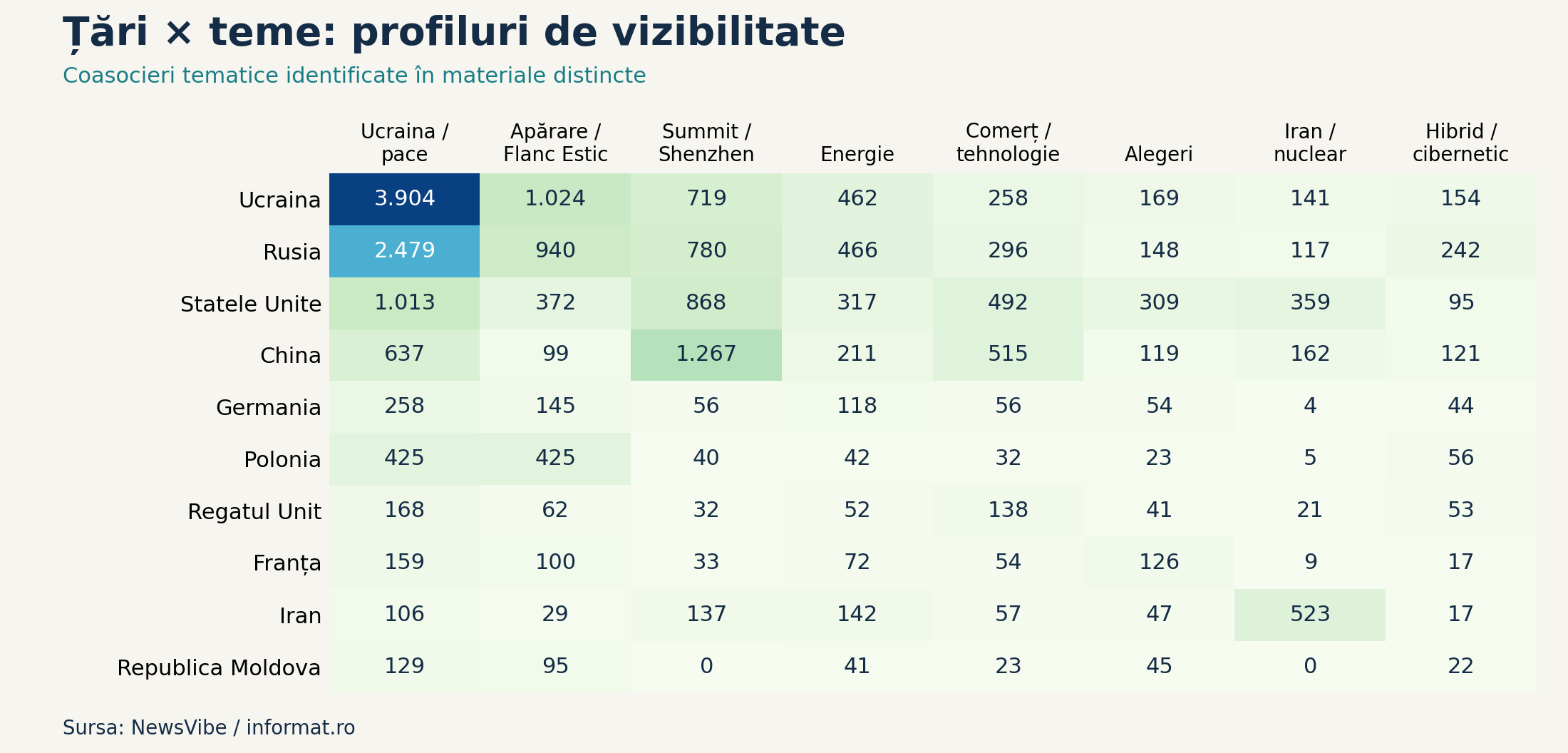
Fig. 2 — Co-associations indicate thematic proximity, not the exclusivity of a relationship.
Concentrated exposure and diversified agendas
The United Kingdom and France stand out through the combination of European dossiers and domestic political debates. For London, the prospect of closer ties with the European Union and discussion of a possible referendum revive the Brexit theme. In France, competition for the 2027 presidential election, polls, and candidacies overlap with participation in debates on European defense.
Iran has more concentrated exposure centered on its relationship with Washington, the nuclear dossier, and energy security. The Republic of Moldova enters the ranking through EU accession negotiations, security pressures, and cooperation projects with Romania, including the relaunch of navigation on the Prut. In this case, geographical proximity and bilateral relations lend relevance to topics that do not directly depend on the great-power summit.
Conclusion
The foreign affairs agenda of the Romanian online press during November 19–25, 2026, remains dominated by war, security, and diplomacy. Ukraine and Russia keep the military conflict at the center of attention, while China consolidates its visibility through the Shenzhen summit. The United States has a diversified presence, connecting several international dossiers, while European states are visible both through the regional implications of the war and through their own political and economic developments. The overall picture reveals a foreign affairs agenda structured around persistent geopolitical tensions, but also receptive to major diplomatic events capable of temporarily reshaping the editorial priorities of the Romanian press.
***Summary prepared with the help of a data feed provided by the NewsVibe Romania media monitoring platform. The analysis, data, and images presented were enhanced with the help of Machine Learning and Artificial Intelligence tools.
Latest News
11:27
11:19
11:10
11:00
10:52
See more news
NEWS ON THE SAME TOPICS
.webp)










.webp)


