EXCLUSIVE Ranking of countries in relevant Romanian online sources: Ukraine leads the foreign agenda. Security and the economy define the week



Always see our news on Google
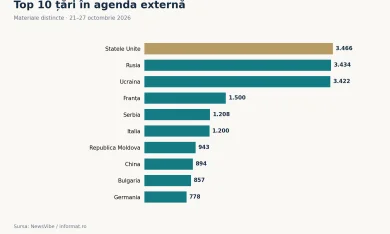
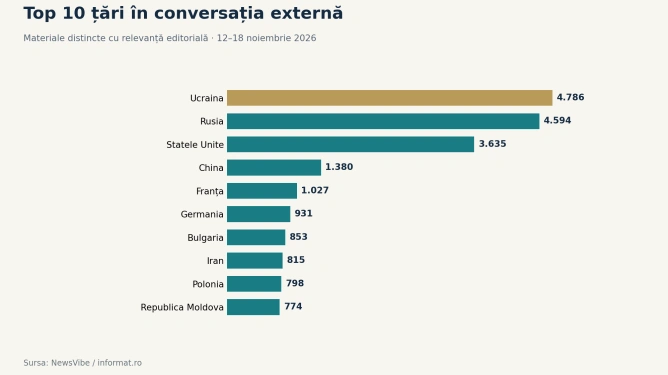
Ukraine leads the external visibility ranking, followed by Russia and the United States. The war in Ukraine and Russia’s attacks dominate the agenda, but the countries’ profiles differ: some attract attention through security and conflict, while others through a combination of diplomacy, economics, and politics.
An agenda dominated by a few centers of interest
During November 12–18, 2026, the hierarchy of countries visible in the press and on online platforms in Romania is led by Ukraine, followed by Russia and the United States. Ukraine’s lead over Russia indicates the intensity of coverage of the conflict and its consequences, not a hierarchy of geopolitical influence. More important than the distance between positions is the nature of the topics that bring each country back into the public’s attention.
Behind the leaders, a second tier takes shape, consisting of China, France, and Germany. Bulgaria, Iran, Poland and the Republic of Moldova complete the ranking. This group combines very different editorial profiles: economic and strategic competition in the case of China, European security and political issues in the case of France and Germany, and regional, energy, and diplomatic topics for the other countries. Some countries remain in the spotlight through simultaneous issues, while others gain visibility through isolated episodes.
War, security, and economic competition
In the independent ranking of topics, the war in Ukraine and Russia’s attacks occupy first place, followed by European security and defense. Sanctions, trade, and economic relations, alongside international elections and political crises, complete the core of the agenda. This overlap shows that security events are not reported in isolation: they are linked to diplomatic reactions, trade decisions, and political consequences. An article may span several of these conversations without making them interchangeable.
A second thematic tier includes energy, oil, and energy security, relations between the United States and Russia, as well as borders, migration, and infrastructure. The conflict in the Middle East, China’s strategic competition, and the security and integration of the Republic of Moldova complete the picture. Thus, the week’s agenda goes beyond the military conflict itself: energy resources, technology, mobility, and domestic political changes are becoming increasingly closely linked to international relations.
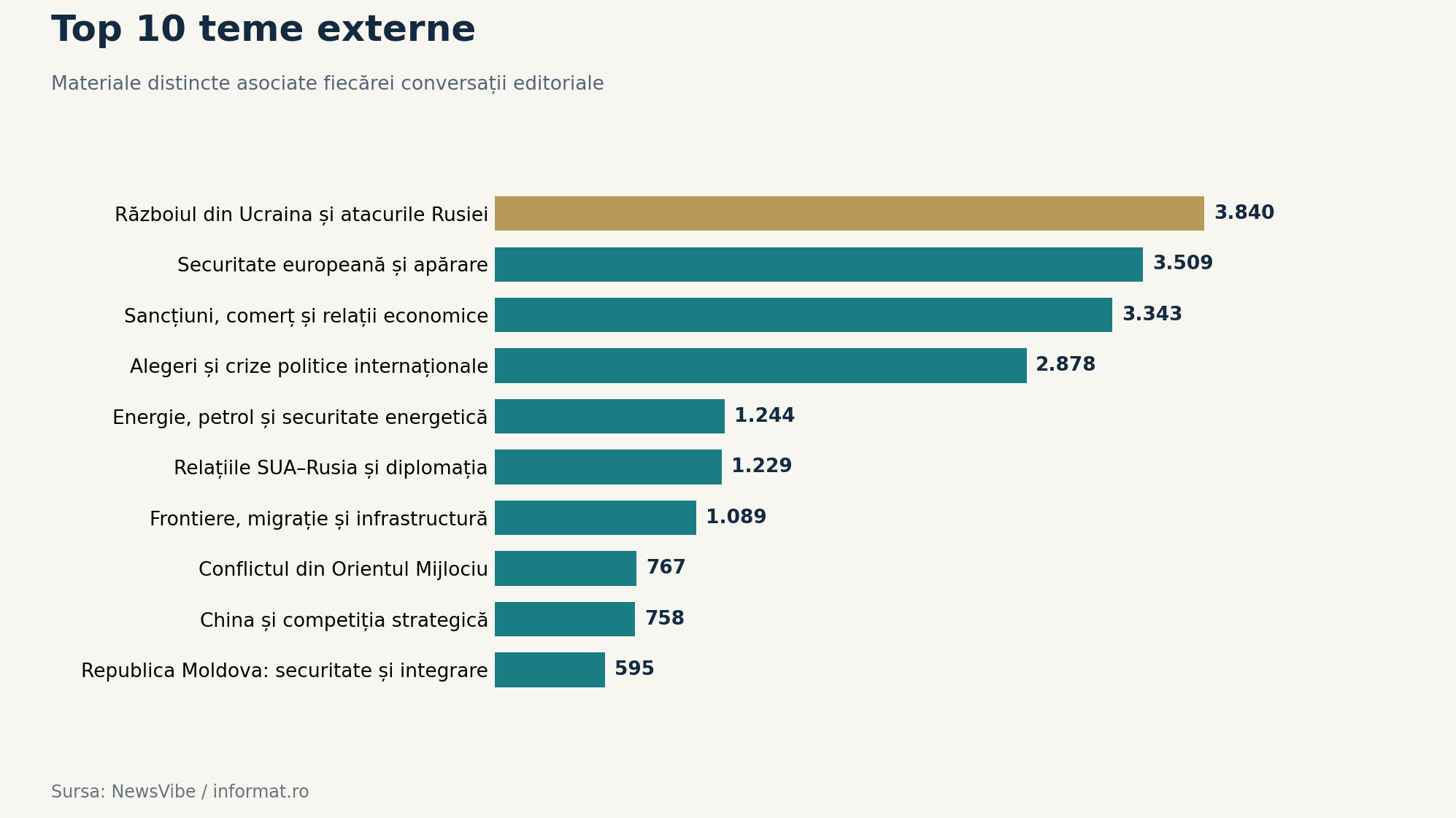
Fig. 2 — The topics are editorial and may overlap.
Countries and topics: concentrated or cross-cutting exposure
Ukraine and Russia share the center of gravity of reporting on the war, but they do not have identical profiles. Ukraine appears primarily as the territory affected by attacks and security consequences, while Russia is present both through its military actions and through the reactions and decisions that prompt external responses. Both countries intersect strongly with the European defense agenda, without their visibility being reduced to the same editorial perspective.
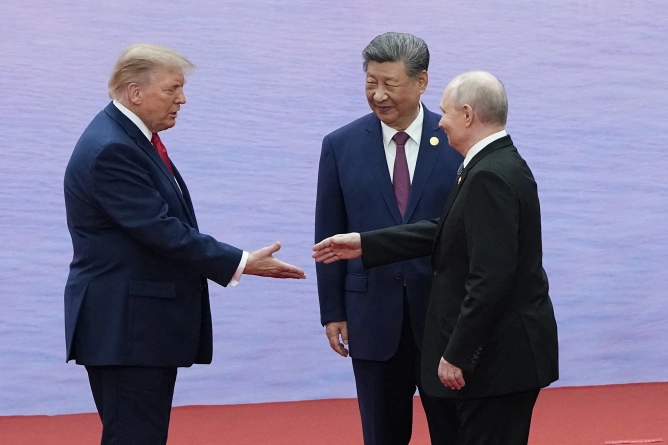
The United States has a more cross-cutting exposure: it is connected to the war in Ukraine, European security, and diplomacy with Moscow. China stands out through strategic competition and economic relations, with a presence less dependent on the military front. The contrast shows how two powers can occupy important positions in the external conversation for very different editorial reasons.
France is present both through debates and political crises and through reactions to the war in Ukraine. Germany has a more pronounced association with the Ukrainian issue and European defense. In both countries’ cases, visibility results from combining the domestic agenda with their role in the European response to security challenges.
Bulgaria draws attention mainly through European security and political developments, while Iran is linked to energy and the regional consequences of international tensions. These are two distinct patterns: one predominantly regional and institutional, the other shaped by geopolitical and energy risks with effects beyond national borders.
Poland is visible through European defense and the proximity of the war in Ukraine, while the Republic of Moldova is visible through the conflict’s effects on regional security, alongside political and integration developments. For these countries, the geographic proximity of the war is not merely background, but a factor that structures the subjects followed by the Romanian press.
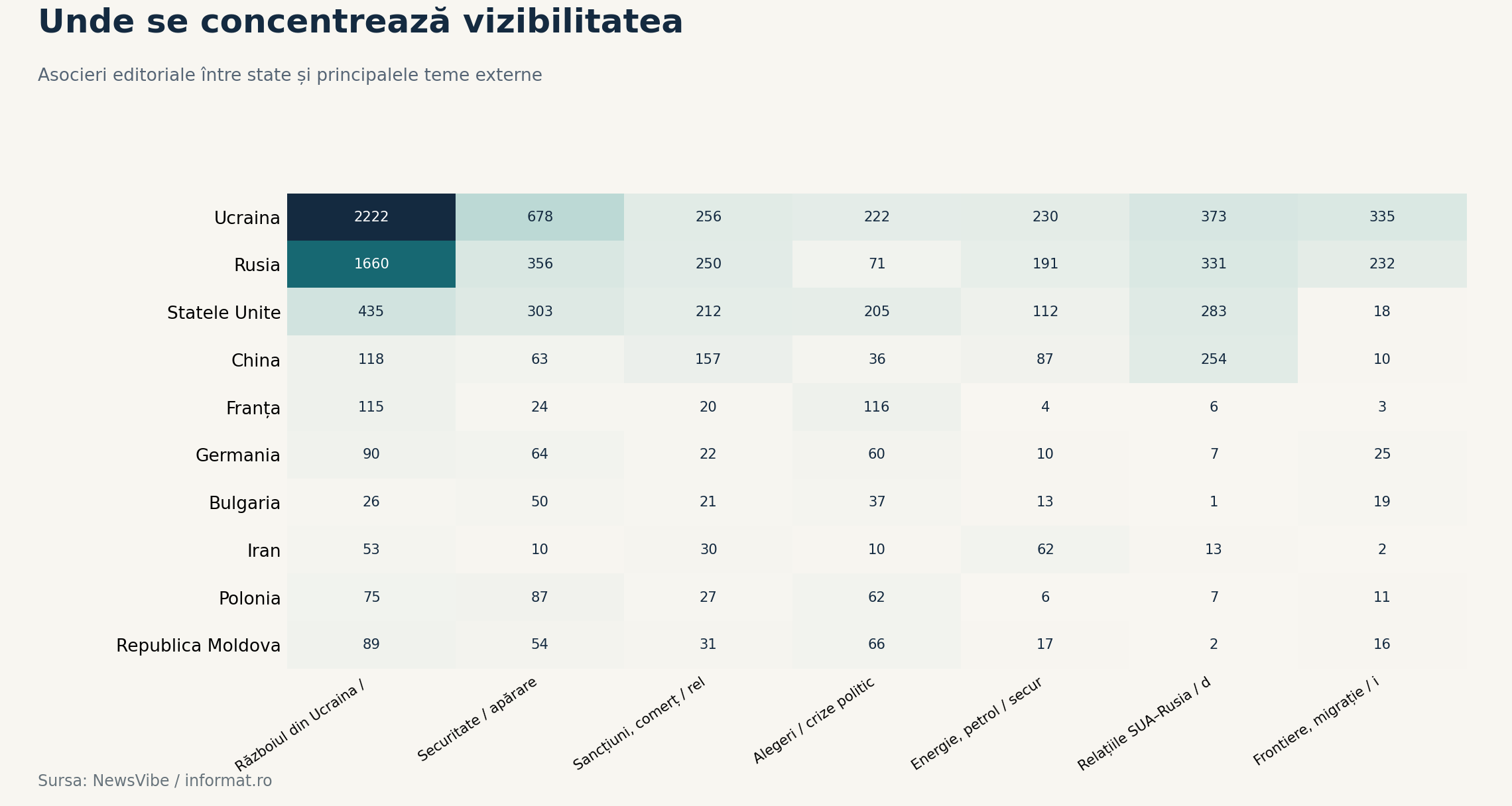
Fig. 3 — The cells indicate relevant editorial associations, not mere word co-occurrences.
What the ranking says about the week
The overall picture is of a foreign agenda in which security remains a major driver of visibility, but does not monopolize the information flow. Some countries are present mainly as initiators of diplomatic or economic decisions; others appear predominantly through the effects of conflicts and the reactions of partners. Therefore, the ranking order should be read together with the topics that explain it. Visibility describes editorial attention in the Romanian online space, not the countries’ reputations or their international importance.
***Summary prepared with the help of a data feed provided by the media monitoring platform NewsVibe Romania. The analysis, data, and images presented were enhanced with the help of Machine Learning and Artificial Intelligence tools.
Latest News
16:32
16:32
16:22
16:18
16:04
See more news
NEWS ON THE SAME TOPICS
.webp)