EXCLUSIVE Ranking of countries in relevant online sources in Romania: The US dominates external visibility. The war, the agenda’s second-largest focal point


.webp)

Always see our news on Google
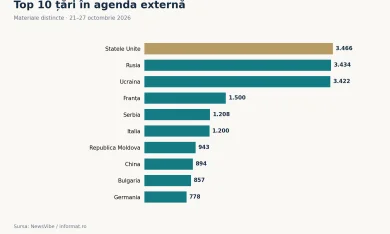
The United States occupies the top spot on the foreign agenda of the Romanian online press, followed by Ukraine and Russia. The American presence covers politics, diplomacy, and security, while the war accounts for a large share of reporting on Ukraine.
An agenda led by Washington
During November 4–10, 2026, the United States was the country with the greatest visibility in the Romanian online press, followed by Ukraine and Russia. The difference between the leader and the other two states is more significant than the simple hierarchy: the American conversation spans several areas, whereas the Ukrainian one remains strongly anchored in the conflict. Not all appearances in the information flow have the same significance; the ranking captures editorial visibility, not geopolitical influence.
American politics, namely the November 3 elections and the results recorded, along with their international repercussions, generate a substantial volume of reporting. Washington appears simultaneously in discussions about negotiations for Ukraine, defense files, and tensions in the Middle East. Reports on negotiations in Abu Dhabi illustrate this intersection: the United States is presented as a diplomatic actor, Russia as an interlocutor, and Ukraine as a direct stake in the discussions. Thus, the same event can increase the visibility of several states, without their editorial roles being identical.
Ukraine ranks second, and its association with the war is almost definitive for the week's profile. Beyond military developments, diplomatic initiatives, cooperation in the defense industry, and reconstruction also appear. Russia, in third place, is visible both through military operations and its relationship with Kyiv, as well as through negotiations, security tensions, and energy. In the case of the two states, the conflict remains a common framework, but it does not erase the difference between the attacked country and the aggressor state.
The themes shaping the week
At the thematic level, elections and foreign political crises take first place, followed by the war in Ukraine and European defense and security. This order shows an agenda in which the domestic politics of major international actors can produce repercussions comparable to those of armed conflicts. The themes overlap rather than constituting closed compartments: a report about negotiations may be relevant to both war and diplomacy and security.
The Middle East and Iran form another pole of interest. Iran has more concentrated exposure, linked to regional tensions, its relationship with the United States, and energy risks. At the same time, migration, borders and transport, diplomacy, and external incidents add a civilian dimension to the agenda, distinct from the strictly military one.
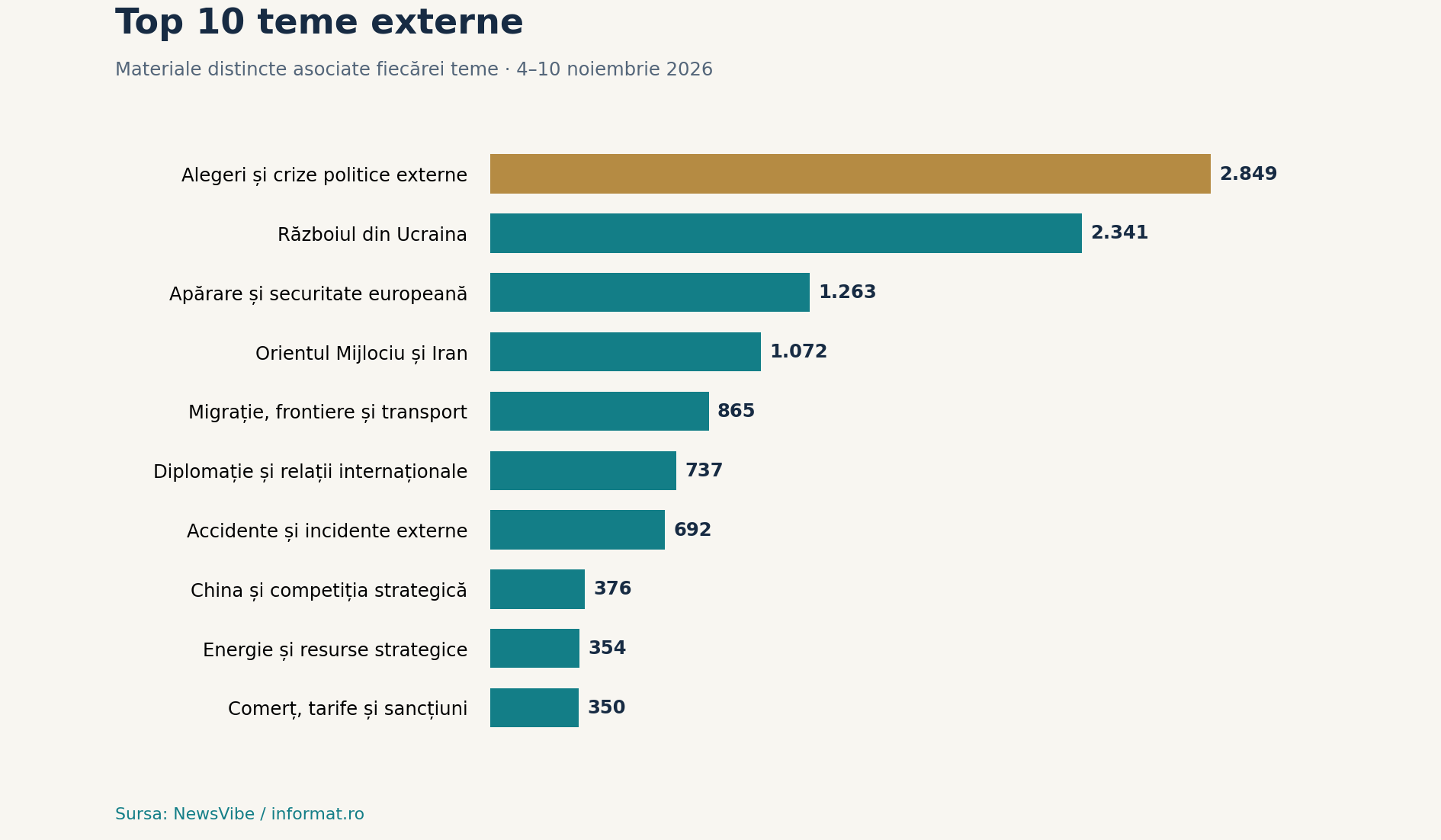
Fig. 1 — A piece of content may be associated with several foreign themes
Countries with different profiles
Romania appears in the ranking through topics with cross-border relevance, including defense, regional cooperation, and relations with neighboring countries. Its presence should be viewed differently from that of foreign states: it is often the connecting point between the international agenda and local consequences. Poland appears in security and defense contexts, as well as through incidents and transport-related topics. In both cases, the eastern neighborhood provides an important part of the explanation.
France and Germany have similar levels of visibility, but distinct profiles. In the case of France, political and security reporting intersects with international dossiers; Germany is present also in topics concerning mobility, borders, and defense. The Republic of Moldova appears through European integration, its relationship with Ukraine, and regional security themes. Italy completes the ranking with a more fragmented presence across several topics.
The association matrix shows that the ranking leader is not necessarily the leader in every theme. Ukraine concentrates the discussion about the war, while the United States connects a larger number of conversations. Iran, just below the top ten countries, represents the contrast of specialized visibility, driven mainly by regional tensions. For the Romanian reader, the result is an agenda in which political events, conflicts, and security influence one another.
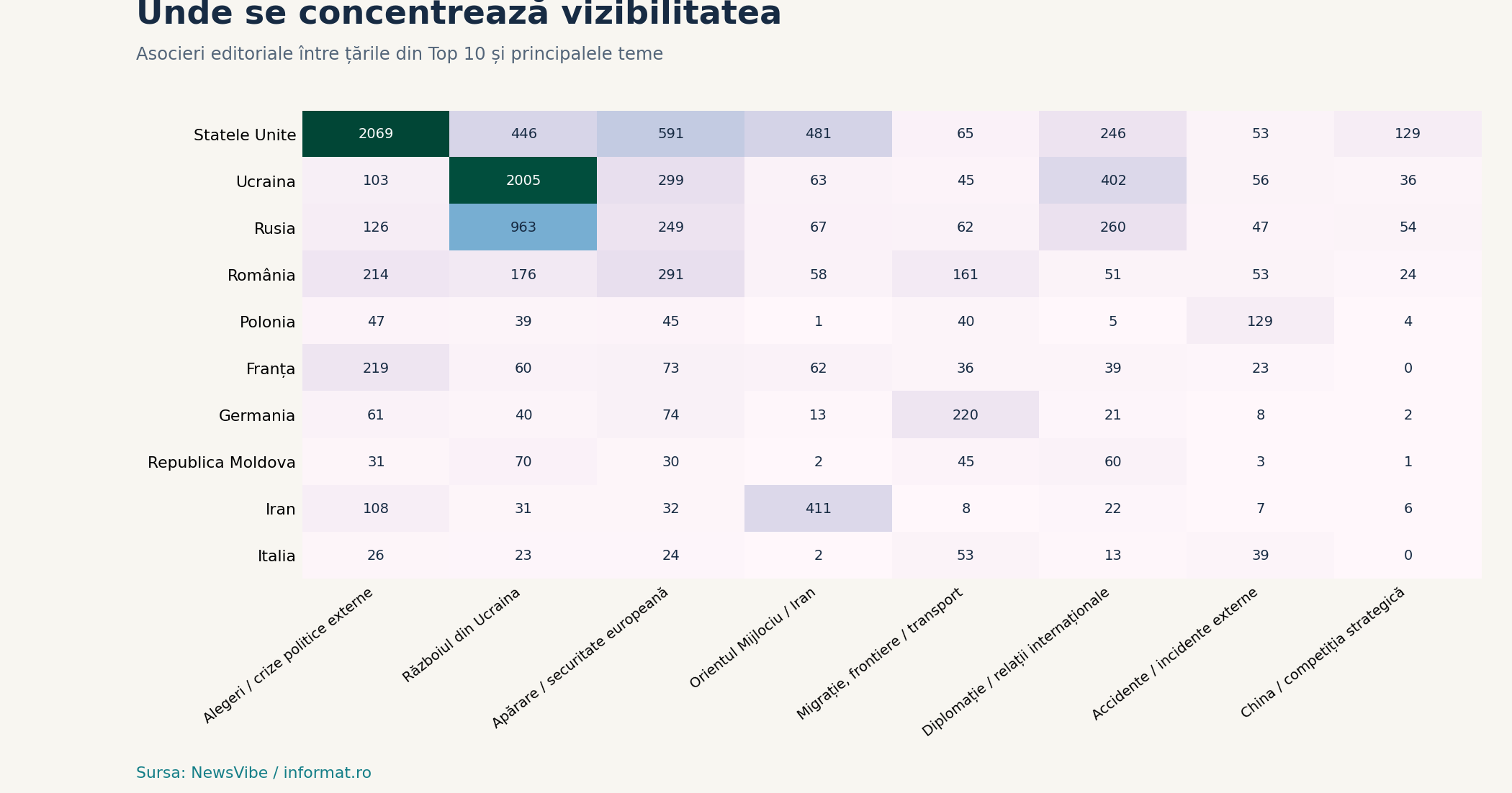
Fig. 2— Color intensity reflects the number of country–theme associations
Conclusion
The week is defined by the contrast between the broad, cross-cutting nature of the American presence and the concentration of the war around Ukraine and Russia. Behind the top positions, European states and Romania's neighbors appear through combinations of security, politics, and mobility.
The editorial visibility referred to in this analysis describes what attracted the publications' attention, not a hierarchy of international power.
***Summary prepared with the help of a data stream provided by the media monitoring platform NewsVibe Romania. The analysis, data, and images presented were enhanced with the help of Machine Learning and Artificial Intelligence tools.
Latest News
22:10
22:06
22:06
22:04
22:03
See more news
NEWS ON THE SAME TOPICS