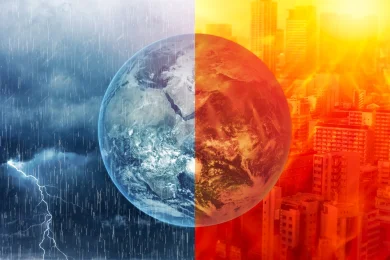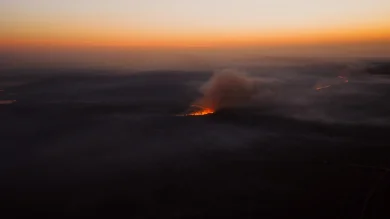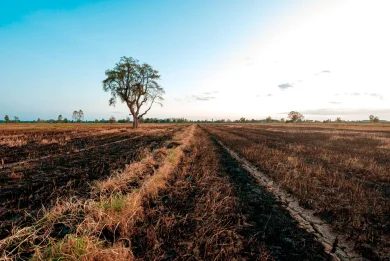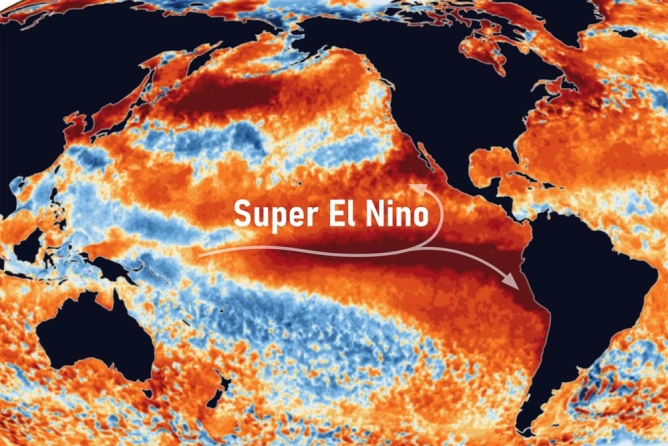

Before the assessments on the impact of heat, the World Meteorological Organization announced that El Niño will intensify in the coming months, with a possibility of reaching its peak in December, and is expected to persist until February 2027 (probability close to 100%). At the same time, the equatorial Pacific Ocean has exceeded the 30°C threshold, and researchers have described the formation of a “Super El Niño,” with the core of the very warm waters moving toward the central Pacific.
On the health front, the World Health Organization and WMO have urged healthcare systems to prepare in advance for the likely effects — extreme heat, drought, floods, and fires — through disease surveillance and plans for a rapid response. Separately, the World Food Programme warned that a more intense El Niño could push nearly 49 million people into acute hunger by the end of next year.


.webp)