


Gulf states are negotiating a regional peace agreement / The plan targets the Strait of Hormuz, Yemen and Iran’s nuclear program



Always see our news on Google
Gulf states are working on a regional agreement aimed at preventing a renewed conflict between the United States and Iran and reducing the risk of further escalation in the Middle East. The plan, presented by The Guardian, would cover maritime security, the conflict in Yemen and the resumption of international inspections of Iran’s nuclear program.
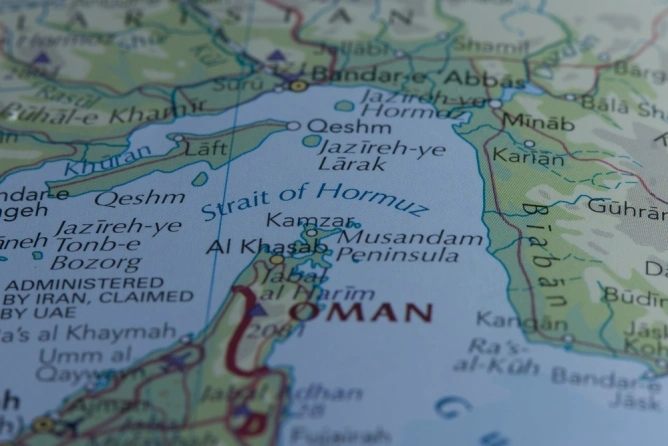
According to the cited source, Iran would be willing to reopen the Strait of Hormuz within no more than four days of the lifting of economic sanctions. The route is essential to global oil transport. Tehran had initially requested a seven-day deadline and is making the reopening conditional on receiving guarantees concerning the sanctions.
The negotiations also include a significant reduction in the forces of Yemen’s Houthi rebels. Iran, which supports the group, could contribute to a solution that would prevent a military victory for the Houthis. In return, the Houthis are demanding the lifting of the naval and air blockade imposed on territories under their control.
Washington is aware of the developments in the talks but is seeking further concessions from Tehran. European diplomats consider the return of UN inspectors to Iran’s nuclear facilities, including those that were bombed, essential. British Foreign Secretary Ed Miliband requested this from his Iranian counterpart, Abbas Araghchi, but Iran currently accepts only discussions in principle.
A delegation from Saudi Arabia, Turkey and Pakistan traveled to Tehran to discuss the conditions for ending the conflict in Yemen and a new security architecture. Oman supports a regional non-aggression pact that would include Iran and the six states of the Gulf Cooperation Council, as well as a reduction in the US military presence in the region.
,Sources


Latest News
22:52
22:29
22:14
22:02
21:54
See more news
NEWS ON THE SAME TOPICS

.webp)

.webp)


