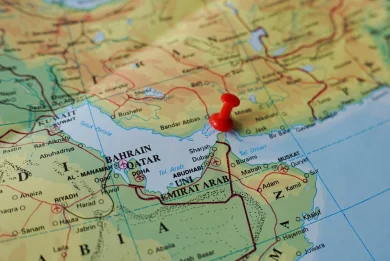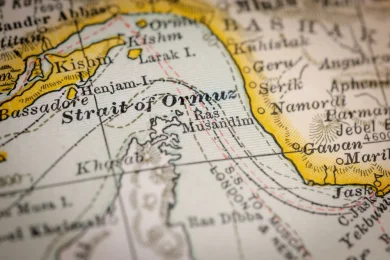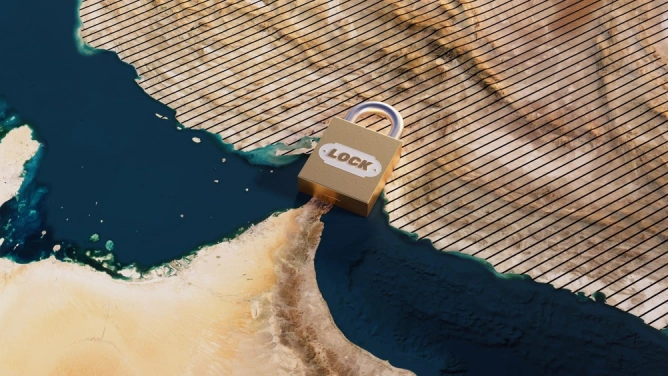

Before the latest statements, Iran said it would not reopen the Strait of Hormuz until the United States accepted a series of conditions. The demands included ending hostilities in the region, lifting the naval blockade imposed on Iranian ports and the sanctions on oil, as well as unfreezing frozen funds; at the same time, Tehran said it would continue negotiations without yielding to military or economic pressure.
The talks resumed in several indirect rounds through mediators from Qatar, including after Trump rejected an Iranian proposal regarding the temporary reopening of the route. Against the backdrop of tensions, Iran also said that restarting negotiations and reopening the strait could be possible within a timeframe linked to the fulfillment of the American conditions.
Meanwhile, maritime traffic through the Strait remained below normal levels: over the weekend, 17 commercial vessels passed through, compared with 37 a week earlier and approximately 120 per day before the outbreak of the war, while some oil tankers reportedly continued transporting cargo with their transponders turned off to avoid detection.