Post-Brexit reset: the EU and the United Kingdom close to a historic agreement on youth mobility and trade


Always see our news on Google
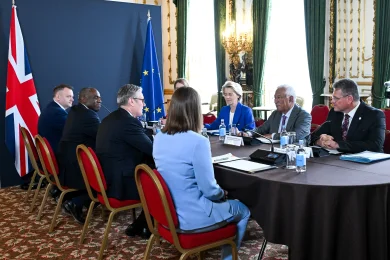
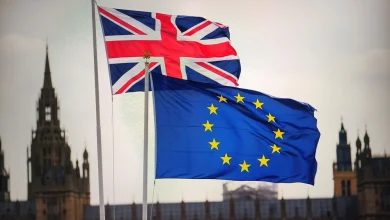
Great Britain and the European Union are set to agree on Friday, at a summit in Brussels, on facilitating trade in food products and youth mobility, at a summit seeking to reset post-Brexit relations.
Under the youth mobility agreement, which is due to be agreed on Friday after negotiations described by Downing Street as “on a knife edge”, up to 100,000 people aged between 18 and 30 from the EU could study and work in the United Kingdom each year, while an equal number of young Britons would benefit from the same opportunities in Europe.
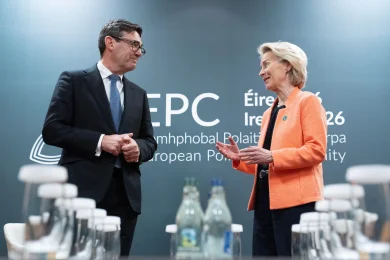
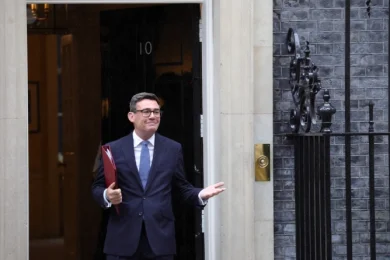
Andy Burnham seeks closer ties with the EU
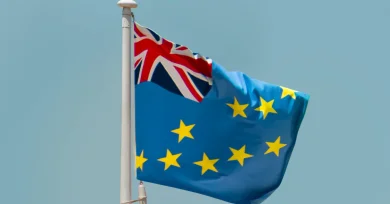
A decade after Britain voted to leave the bloc—which now has 27 member states—animosity over the “divorce” has faded. Both sides have acknowledged the need for a closer alliance in a world order shaken by Russia’s full-scale invasion of Ukraine, US tariffs, China’s control over critical minerals and the conflict in Iran.
British Prime Minister Andy Burnham said that Britain should examine the options for its future relationship with the European Union, including the possibility of rejoining the bloc, Reuters reports.
On Monday, Burnham argued that the United Kingdom had lost more than it had gained from leaving the EU—the latest in a series of gestures aimed at establishing closer relations with the bloc.
What agreements are on the table at the EU-UK summit
The most important of the agreements would allow cross-border trade in animals, plants and related products—such as processed meats or seeds—without the certificates and checks currently required. Britain estimates that this measure could bring its economy up to £5.1 billion ($6.70 billion) a year.
Another agreement would link the emissions trading systems of Britain and the European Union, sparing British and EU goods—for example, steel—from carbon charges imposed at the border by the other side.
Meanwhile, one of the agreements due to be agreed today is a new youth mobility scheme that would allow up to 100,000 young people from the EU to travel, work and study in the United Kingdom each year, according to information obtained by BBC.
At the last minute, according to The Guardian, the EU reportedly dropped its request that students from the Union pay tuition fees at the rate charged to British students (“home fees”) when taking courses at universities in the United Kingdom—a last-minute concession to ensure the agreement was finalized.
The United Kingdom firmly opposed a provision proposed by the EU that would have required the British side to charge EU students fees equivalent to those for local students, instead of “significantly reduced” international fees. However, before 22:00, a compromise was reached, establishing an “additional agreement” under which the details are to be clarified over the next six months.
As discussions continued late into the night, EU sources suggested that both sides were on course to conclude an agreement on Friday.
Read also:
ANALYSIS Brexit without profit: London seeks reconciliation with the EU
Sources


Latest News
10:20
10:15
10:08
09:56
See more news
NEWS ON THE SAME TOPICS