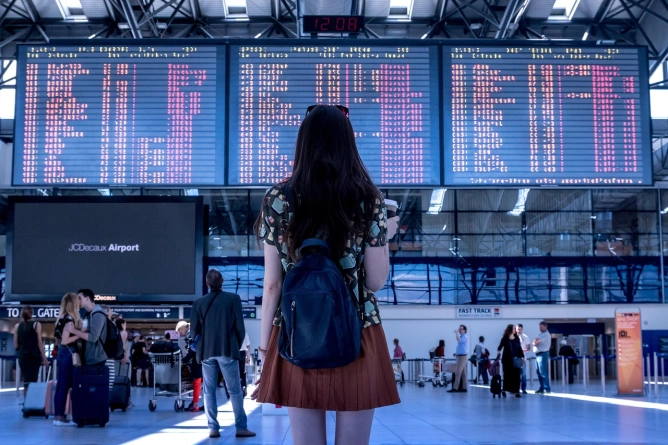
European airports warn that the new EU rules for border controls are causing significant delays for travelers from third countries, despite assurances from the European Commission.
Cristiana Dida


International
Foto: Pixabay

Always see our news on Google
The new European Union regulations require that a larger proportion of passengers from non-EU countries go through electronic identity checks, which risks causing significant discomfort to travelers. Although the European Commission claims that the system has operated without issues, airports are complaining about delays caused by the new entry/exit system (EES), which requires the registration of fingerprints and facial images. Starting Friday, at least 35% of non-EU citizens will have to use this system, which could lead to significant increases in waiting times, which have already reached up to three hours during peak traffic periods.
The airport industry warns that the implementation of the EES has led to processing times increasing by up to 70%, and operational problems have been evident, such as the suspension of the system in Portugal. In contrast, the European Commission states that no significant incidents have been reported and that the system is essential for tracking who enters the EU. However, not all airports have encountered difficulties, with some, like those in Paris, reporting normal operations. This situation highlights the tensions between regulatory authorities and the airport industry in the context of new security measures.
The airport industry warns that the implementation of the EES has led to processing times increasing by up to 70%, and operational problems have been evident, such as the suspension of the system in Portugal. In contrast, the European Commission states that no significant incidents have been reported and that the system is essential for tracking who enters the EU. However, not all airports have encountered difficulties, with some, like those in Paris, reporting normal operations. This situation highlights the tensions between regulatory authorities and the airport industry in the context of new security measures.
Sources

Aeroporturile se plâng de noile norme UE de frontieră. Călătorii din țări terțe trebuie să-și înregistreze amprenta și chipul

Aeroporturile se plâng de noile norme UE de control la frontieră. Călătorii din ţări terţe, precum Regatul Unit şi Statele Unite, trebuie să-şi înregistreze amprentele digitale şi o imagine facială la prima trecere a frontierei
Latest News
12:57
USA: Republicans fear they will lose their majority in the House of Representatives
12:52
The Ministry of Health proposes that hospitals directly modify their staffing plans, without individual approvals for each case
12:50
Border Police announce restrictions on the Giurgiu–Ruse Bridge / Drivers should expect longer waits
12:49
MPs have extended until December 31, 2027, the deadline for concluding contracts under the Anghel Saligny program
12:49
Nicușor Dan and Giorgia Meloni bring together the “Friends of Cohesion” ahead of the EU summit
See more news
NEWS ON THE SAME TOPICS




Personalized news feed, AI-powered search, and notifications in a more interactive experience.