ANALYSIS Post-Trump Transition: How Much Future Does the MAGA Movement Have Left?



Always see our news on Google
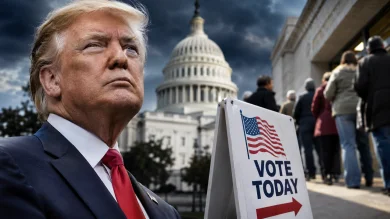
The Republicans’ defeat in the November 2026 midterm elections triggered intense speculation about the end of the MAGA era. A look beyond the rhetoric, however, shows that the populist platform has solid resources to survive Donald Trump’s decline.
Although the results of the November 2026 elections marked a severe defeat for the Republican Party (GOP), which lost its majority in Congress and the Senate, the MAGA movement has a deeply rooted ideological and institutional infrastructure, meaning that its political future will not automatically fade with Donald Trump’s electoral decline.
The political future of this platform depends critically on several structural variables and on the way the internal factions will contest the succession for the 2028 presidential election.
To what extent does Trump’s decline affect MAGA?
The connection between Donald Trump and MAGA is symbiotic, though not completely overlapping. The 2026 defeat — described by analysts at The Guardian and CNN as a vote of no confidence in the presidential agenda (against the backdrop of economic inflation caused by tariffs and the conflict in Iran) — places Trump in a position of political zombiehood for the remainder of his term.
Nevertheless, two clear realities, brought to light by the November 3 elections, are likely to influence the validity of this “sentence” for MAGA:
• Loss of direct electoral magnetism: The 2026 elections reconfirmed an older vulnerability: candidates directly endorsed by Trump or who exclusively copy his personal rhetoric tend to lose in competitive districts when Trump is absent from the ballot.
• Party infrastructure remains captured: Unlike other populist movements in history, MAGA has seized almost total control over the local and national committees of the Republican National Committee (RNC). Even in the event of a strategic reorientation, the administrative network installed by MAGA loyalists will dictate the rules of the game for years to come.
What does the future of the MAGA platform depend on?
The movement’s survival and relevance in the medium and long term depend on three major factors:
1. The succession crisis and transfer of charisma (The 2028 Horizon)
The central problem of the populist movement is that it is built around Trump’s unique personality, a style considered difficult to transfer to other leaders. MAGA’s future depends on who will take up the baton for the 2028 presidential election. Figures such as JD Vance, Marco Rubio, or Kristi Noem are already competing to become the movement’s legitimate heirs. If the future leader succeeds in retaining the radical base without further alienating moderate voters, the platform will remain competitive.
2. Fragmentation and conflicts within the coalition
According to analyses published by the BBC, the MAGA base is no longer a monolith. It now includes two factions with sometimes divergent visions:
• The traditionalist hard core: Focused on Christian nationalism, severe anti-immigration measures, and isolationism.
• The newcomers (young, working-class populists): Drawn to technological or libertarian figures (such as Elon Musk or Robert F. Kennedy Jr.), more focused on anti-establishment politics and the economy than on strict culture wars.
How these factions manage internal frictions (related to tariffs, public spending, or foreign policy) will determine whether the movement atomizes or remains united.
3. The institutionalization of “Trumpism without Trump”
The central ideas promoted by MAGA have irreversibly altered the Republican Party’s doctrine. Even if the “MAGA” label were to become toxic in the eyes of the general public, its fundamental policies — economic protectionism, skepticism toward global military interventions, and a foreign policy focused on countering China — have become the new Republican orthodoxy, replacing the old Reagan/Bush-style conservatism.
Conclusion
The MAGA platform is not dead; it has entered a forced post-Trump transition phase. Its political future no longer depends on Donald Trump’s ability to govern or run for office, but on the ability of the new generation of populist leaders to transform a personality cult into a coherent ideological platform capable of winning back the majorities it lost among the working class and suburban voters.
Latest News
14:05
14:03
13:58
13:57
13:52
See more news
NEWS ON THE SAME TOPICS



.webp)