



Lagarde says rising energy prices are keeping inflation high, while the ECB maintains a “measured” response through interest rates



Always see our news on Google
Euro area inflation rose to 3.2% in August, from 2.9% in July, against the backdrop of an increase in energy inflation to 14.3%. Christine Lagarde told MEPs that the ECB sees higher inflation but does not currently observe a material transmission of the energy shock into wages, following the 25-basis-point increase in all three key interest rates in September.
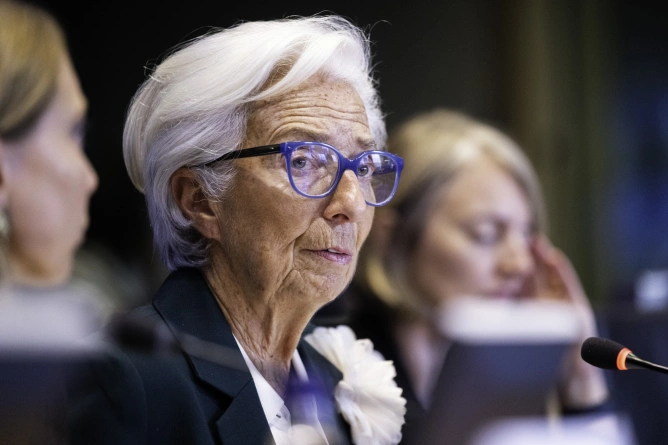
The European Central Bank believes that the energy shock continues to push euro area inflation above the 2% target, but it still sees no signs that this pressure has become embedded in wage dynamics or core inflation to an extent that would justify a more aggressive tightening of monetary policy. At a hearing before the European Parliament’s Committee on Economic and Monetary Affairs, ECB President Christine Lagarde explained that the institution remains on a “measured” path following the 25-basis-point increase in all three key interest rates at the September meeting.
In brief
1. Headline inflation in the euro area rose to 3.2% in August, from 2.9% in July, while energy inflation increased to 14.3%, from 10.3%.
2. Inflation excluding energy and food fell slightly to 2.4%, and the ECB says wages do not currently show a material reaction to the energy shock.
3. In September, the ECB raised all three key interest rates by 25 basis points, bringing the deposit facility rate to 2.50%.
4. ECB projections point to average inflation of 3.0% in 2026, 2.5% in 2027 and 2.1% in 2028.
5. Economic growth is estimated at 0.9% in 2026, 1.4% in 2027 and 1.5% in 2028, while risks remain tilted to the upside for inflation and to the downside for growth.
The rise in inflation in August was mainly driven by energy. Energy inflation accelerated to 14.3%, compared with 10.3% in July, amid the contribution of refining margins to liquid fuels and higher energy commodity prices. At the same time, food inflation fell to 1.1%, while inflation excluding energy and food declined slightly to 2.4%, mainly due to a moderation in services. This difference is important for the ECB, as the institution seeks to distinguish between an external price shock and inflation that is spreading more broadly through the economy.
Lagarde said that the ECB does not react mechanically to higher energy prices, but monitors whether they begin to become embedded in other prices, wages and inflation expectations. Compensation per employee, an indicator used to track nominal wage dynamics, rose by 3.3% in the second quarter, compared with 3.6% in the first quarter. In the assessment presented to MEPs, this development does not currently indicate a material transmission of the energy shock into wages.
This assessment also explains the nature of the decision taken by the Governing Council in September. The ECB raised all three key interest rates by 25 basis points each, and as of 16 September the deposit facility rate is 2.50%, the rate on the main refinancing operations is 2.65%, and the marginal lending facility rate is 2.90%. The institution justified the decision by the prospect that inflation would remain above target for an extended period, but did not commit to a future path for interest rates.
Lagarde explained that the ECB analyses three elements before deciding on its monetary response. The first is the inflation outlook and the risks surrounding it. The second is core inflation dynamics, including the extent to which energy is transmitted into other prices and wages. The third is how monetary policy is transmitted into financing costs and economic activity. According to this assessment, future inflation is higher than previously anticipated, especially in 2027 and 2028, but so far there are no signs that the energy shock has become embedded in a wage spiral.
The September projections estimate average headline inflation of 3.0% in 2026, 2.5% in 2027 and 2.1% in 2028. For inflation excluding energy and food, the ECB estimates 2.5% in 2026, 2.6% in 2027 and 2.3% in 2028. Short-term inflation expectations remain elevated, but most longer-term indicators remain around 2%, which, in the ECB’s assessment, supports the prospect of a gradual return to target.
The euro area economy has held up better than initially expected. The ECB estimates real GDP growth of 0.9% in 2026, 1.4% in 2027 and 1.5% in 2028. Manufacturing is supported by higher public spending on defence and infrastructure, while consumer confidence and services activity have improved. The labour market remains robust, with an unemployment rate of 6.4% in July, even as the pace of growth in employment and the labour force slows.
At the same time, the ECB sees a challenging combination of risks. For inflation, risks are tilted to the upside, mainly because of energy and the possibility that shocks may persist. For growth, risks are tilted to the downside, including through higher financing costs and long-term interest rates, which have risen since the previous meeting. Lagarde said that this combination justifies maintaining an intermediate path, in which the ECB neither ignores the shock nor reacts more than the available data warrant.
The message delivered in Parliament was therefore one of caution. The ECB acknowledges that inflation is once again higher and that the return to 2% will take time, but it does not consider the current data to show a sufficiently broad-based increase in pressures to automatically justify further rate hikes. The next decisions will remain dependent on developments in inflation, wages and economic activity, as well as on how monetary policy is transmitted to households and companies.
Latest News
16:09
15:57
15:56
15:47
15:47
See more news
NEWS ON THE SAME TOPICS






.webp)

.webp)


