ECB will test the digital euro from September 2027, with offline payments close to the confidentiality of cash.




Always see our news on Google
Piero Cipollone, a member of the Executive Committee of the European Central Bank, stated in an interview with the French publication Ouest-France that the pilot project will last 12 months and will involve 36 banks and payment providers. The digital euro could be used in stores, online, and between individuals, without the ECB being able to identify users making online payments.
The European Central Bank will begin testing the digital euro on a small scale in September 2027, Piero Cipollone, a member of the ECB's Executive Committee, stated in an interview with the French publication Ouest-France published on July 15, 2026. The pilot project will last 12 months and will involve merchants, banks, payment providers, and employees of the ECB and national central banks in the role of users.
In short
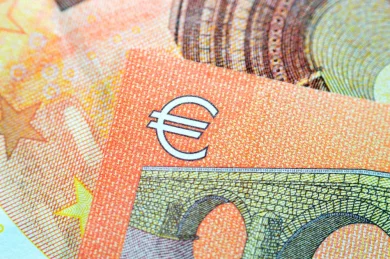
The digital euro would be an electronic form of money issued by the central bank, similar to cash, not a new banking application or a cryptocurrency. It would complement banknotes and coins and could be used in stores, in online commerce, and for direct transfers between individuals.
Offline payments would provide a level of privacy close to cash: transaction details would only be known to the payer and the payee. In the case of online payments, the user's bank could identify the transaction, but Cipollone says that the ECB will not know who made the payment.
The pilot will start in September 2027 and will last for one year. The ECB has selected 36 European banks and payment providers from over 50 candidates to test the system's operation in almost the entire euro area.
The ECB estimates the development cost at approximately 1.3 billion euros and annual operating expenses at about 320 million euros. Cipollone argues that these costs will be offset by the revenues generated from issuing the digital euro, following the model of cash.
Merchants will be required to accept the digital euro for electronic payments, but the fees charged to them will be capped. The ECB and national central banks will not charge fees for administering the scheme or processing transactions.
Piero Cipollone presented the project timeline in an interview with Ouest-France on July 10, published by the ECB on July 15, 2026. The statements came after the European Parliament supported the digital euro project with nearly 70% of the votes, according to the ECB official.
The Parliament's vote does not mean that the digital euro has been launched or that its final form is established. The Parliament and member states must complete the legislative process, and the ECB will only be able to decide on the introduction of the digital currency after the legal framework is adopted and the tests are evaluated.
The digital euro would be issued by the Eurosystem, consisting of the ECB and the national central banks of the euro area countries. For this reason, it would represent central bank money, similar to banknotes and coins.
Existing money in a regular bank account is a liability of the commercial bank to the customer. The digital euro would be a direct claim on the central bank, even though user access would be managed through banks and other payment service providers.
Cipollone explained that the project responds to the changing way Europeans pay. About one-third of their transactions already take place online, where physical cash cannot be used.
"It is very important to provide Europeans with a digital form of cash that complements the banknotes and coins they are familiar with," said the ECB Executive Committee member in the interview with Ouest-France.
The digital euro would not replace cash. Consumers would still be able to choose between banknotes, coins, cards, banking apps, private payment solutions, and the new form of public electronic money.
Privacy protection is among the main concerns expressed by opponents of the project. Cipollone said that critics in Parliament have raised the risk that the digital euro could allow for "Big Brother" type surveillance over the population's purchases.
For offline payments, the system would provide a level of confidentiality close to cash. Transaction details would only be known to the person making the payment and the one receiving the money.
An offline payment could be made between devices without an active internet connection. Value limits, technical conditions, and anti-fraud measures will be established through legislation and the final design of the system.
In the case of online payments, the data would be encrypted. The bank or payment provider of the client could identify the transaction to comply with legal obligations, but Cipollone stated that the central bank would not receive information that allows for user identification.
"Even when you make online payments, the central bank will not know that you made them," said the ECB official. He specified that only the user's bank will know the identity of the person who made the payment.
The pilot project will start in September 2027 and will last for 12 months. The testing will have a limited scope and will not yet allow for the general use of the digital euro by the population of the euro area.
The pilot will involve merchants, banks, and payment processing companies. Employees of the ECB and national central banks will use the system in the role of consumers to test the entire transaction path.
The ECB invited European payment service providers to register in March 2026. Over 50 applied, and the institution selected 36 participants covering different profiles and almost the entire euro area.
Cipollone mentioned the French banking group BPCE, which includes Banque Populaire, Caisse d'Épargne, and Crédit Coopératif, as well as the payment processing company Worldline.
Participants will work with the ECB before the pilot launch to prepare applications, infrastructure, connections between banks, and procedures used by merchants and users.
The digital euro would be used for payments in stores, online shopping, and transfers between individuals. The ECB's goal is for it to function throughout the euro area, regardless of the user's bank.
This broad acceptance distinguishes it from private solutions, which may only operate in certain countries or with merchants who have contracted with that specific provider.
Cipollone stated that merchants will need to accept the digital euro for electronic payments, in a manner comparable to accepting cash. The conditions and any exceptions will depend on the text adopted by legislators.
The cost model would differ from that of cards. In a regular payment, the payer's bank, the payee's bank, the technical processor, and the card scheme owner, such as Visa or Mastercard, are involved.
Merchants pay fees that cover these services. Part of the costs may later be included in the prices of products and services.
In the case of the digital euro, the scheme rules will be set by the ECB and national central banks, within the limits of European legislation. The Eurosystem will not charge fees for administering the scheme or for processing transactions.
Cipollone said that the resulting savings could be shared between merchants and banks. The specific way in which they will be distributed is still being negotiated by the European Parliament and the Council.
Merchants will be protected by a cap on the fees that payment providers will be able to charge. The value of the cap has not yet been established.
Commercial banks will continue to manage the relationship with users. They will provide access to the digital euro, manage applications, and perform necessary checks according to financial legislation.
The ECB estimates that developing the system will cost the Eurosystem approximately 1.3 billion euros. Annual operating expenses are estimated at about 320 million euros.
Cipollone specified that these amounts depend on the final decisions of legislators, including the number of accounts or digital wallets that each person will be able to hold.
The ECB argues that the revenues generated from issuing the digital euro will exceed the expenses. Central banks already generate revenue from issuing banknotes, known as seigniorage.
Banks in the euro area will have their own costs for adapting IT infrastructure. The ECB estimates that the preparation for the digital euro, spread over four years, will not exceed 3.4% annually of the budget spent by banks on updating IT systems.
The digital euro would not replace private European solutions like Wero. Cipollone explained that Wero uses money held in a bank account, while the digital euro would be issued by the central bank.
Private solutions could integrate the digital euro infrastructure. A user could thus continue a payment even if the private service is not accepted by the merchant, by using the digital euro component.
The ECB believes that common standards can help European payment companies expand into more countries and to more merchants.
The project also responds to Europe's dependence on payment infrastructures controlled from outside the continent. Cipollone said in an interview that most of the systems used daily by Europeans are not in European hands.
This dependence can affect the continuity of payments if failures, commercial decisions, or geopolitical tensions arise over which European authorities have no control.
The digital euro would provide a public European infrastructure for payments across the euro area. Cipollone described it as a technical response to the digitalization of the economy, which also produces geopolitical benefits.
Cybersecurity will be tested before any general launch. Cipollone noted that the Eurosystem already manages three major infrastructures for interbank payments, securities transactions, and instant transfers.
The T2 system processes transactions every eight days with a cumulative value equivalent to the annual gross domestic product of the euro area, according to the ECB official.
He said that the experience of managing these systems will be used for the digital euro and that the infrastructure will be continuously tested and strengthened, including in the face of risks amplified by artificial intelligence.
In the same interview with Ouest-France, Cipollone also discussed monetary policy. He said that the ECB aims to prevent rising energy prices from turning into persistent inflation expectations, wage increases, and new price hikes.
According to the official, the economy is already feeling the direct effect of more expensive oil and rising production costs, but the ECB does not yet observe second-round effects. The institution aims to keep medium- and long-term inflation expectations anchored to the 2% target.
The launch of the pilot in September 2027 does not guarantee the introduction of the digital euro to the general public. The final decision will depend on the adopted legislation, technical preparation, and the results of the pilot project.
Latest News
23:06
22:49
22:37
22:22
22:03
See more news
NEWS ON THE SAME TOPICS