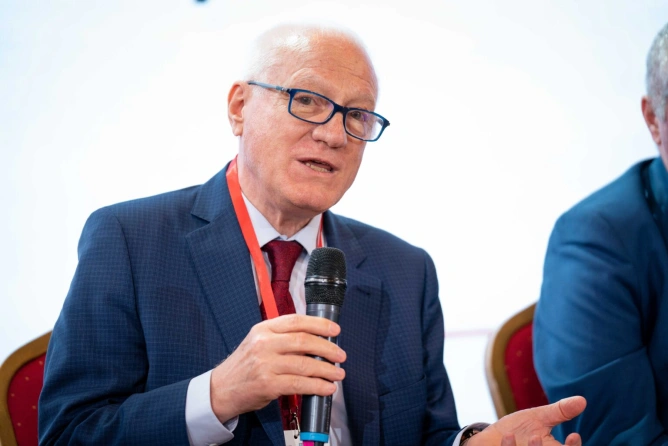
Dombrovskis calls for temporary and targeted energy aid amid rising government borrowing costs




Always see our news on Google
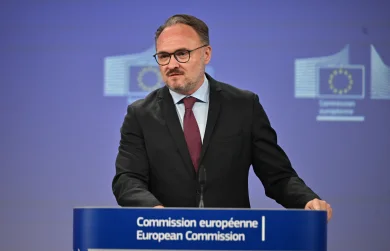
European Commissioner for Economy and Productivity Valdis Dombrovskis is calling on governments to limit energy aid to temporary and targeted measures that do not stimulate demand for fossil fuels. At the Eurogroup press conference in Dublin, he warned that higher borrowing costs are narrowing governments’ ability to respond to rising energy prices, especially in countries with high public debt.
In brief, energy aid must be temporary and targeted. Dombrovskis called for such measures not to fuel demand for fossil fuels, since stimulating consumption does not resolve a supply shock. Rising bond yields are gradually feeding through into debt costs, due to relatively long maturities. The commissioner warned, however, that highly indebted countries are particularly exposed. The Commission is calling for compliance with medium-term budgetary plans and prudent use of flexibility for defence. The statements do not announce a new European financing package.
Responding to a question about the difficulty France and Italy face in supporting households and companies under tighter financial conditions, Dombrovskis described the energy problem as a supply shock. In his explanation, stimulating demand does not resolve a supply shortage, while developments in the bond market reinforce the case for carefully targeted support.
The commissioner argued that the strategic response remains reducing dependence on imported fossil fuels. He referred to the AccelerateEU guidelines previously presented by the Commission, saying they remain valid because the nature of the shock has not changed. His remarks do not announce a new European financing package or additional sums for governments.
The AccelerateEU catalogue explains how consumer protection can preserve incentives to save energy. Options include targeted support for the incomes of vulnerable households, vouchers and social tariffs. For energy-intensive industries, the document includes temporary support conditional on commitments regarding energy efficiency, clean energy or consumption flexibility. These are examples of national measures, not entitlements to aid granted automatically through the catalogue.
Pressure on budgets is also coming from rising sovereign bond yields. In a written statement published after the meeting, Dombrovskis said the phenomenon affects most advanced economies and that its effects will be felt gradually in Europe, particularly by more heavily indebted countries. His message is that governments should comply with the objectives in their medium-term budgetary plans and use the flexibility available for defence and security prudently.
Asked about risks to debt sustainability, the commissioner said the relatively long average maturity of euro area debt is slowing the pace at which new financing conditions feed into interest expenditure. More expensive borrowing is passed through gradually, giving countries time to adjust their policies. His explanation concerns the timing of the emergence of costs, without removing the warning about budgetary pressure.
The plans referred to by Dombrovskis form part of the European economic governance framework. They include budgetary commitments, reforms and investments over four or five years, as well as a net expenditure trajectory. The Council approves them after the Commission’s assessment. The net expenditure indicator excludes interest expenditure, meaning that the pressure it places on the budget should not be confused with an automatic breach of the trajectory.
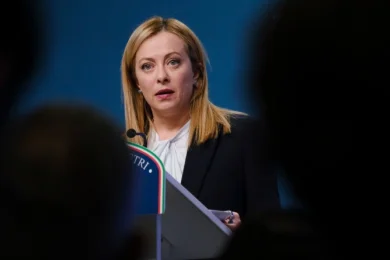
At the same conference, European Central Bank President Christine Lagarde said the ECB was not observing disorderly movements in bond markets and described the developments as a global phenomenon. Her assessment limits the interpretation of the situation as a market dysfunction, without contradicting the Commission’s warning about the higher costs gradually borne by governments.
Dombrovskis placed these recommendations in a mixed economic context. The euro area performed somewhat better than expected in the first half of the year, but the Commission expects growth to slow in 2027. Energy disruptions and the effects of extreme weather events during the summer are among the risks cited; the statement does not provide a new numerical growth forecast.
意 le? Let's ensure valid JSON. Need remove extraneous. We'll output clean.
Latest News
20:00
19:52
19:51
19:09
19:04
See more news
NEWS ON THE SAME TOPICS







.webp)