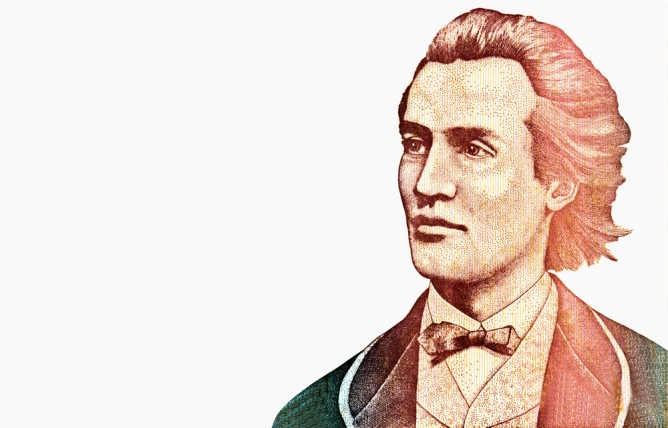
The National Culture Day, celebrated on January 15, is dedicated to Mihai Eminescu, highlighting his essential contribution to Romanian cultural identity.
Lara Maior


Arts & Lifestyle
Prachaya Roekdeethaweesab/ Shutterstock.com

Always see our news on Google
The National Culture Day is marked on January 15, a date proposed by Eugen Simion to celebrate the contribution of Mihai Eminescu, considered the most important Romanian writer. This day should transcend festivity and become an act of cultural awareness, centered on Eminescu and his work. Eminescu profoundly influenced the Romanian language, bringing a unique expressiveness and stylistic perfection, being a thinker concerned with national identity. He also played an important role as a critical spirit, addressing social and political themes in his writings. The relevance of his work for the younger generation is evident, each generation having its own vision of him. Eminescu remains a symbol of Romanian identity, being celebrated by Romanians in the diaspora, who feel the need to honor him. Although some interpretations suggest that Eminescu would judge current generations, he was rather a demanding intellectual with himself, understanding towards others.
Sources

Ziua Culturii. Ce mai înseamnă Eminescu azi? - INTERVIU

Ziua Culturii Naționale, sărbătorită în toată țara prin evenimentele instituțiilor publice de cultură
Ziua Culturii Naţionale. Expoziţii, spectacole

Ziua Culturii Naționale, de aniversarea lui Eminescu. Istoria și prezentul sărbătorii

Ziua Culturii Naționale 2026: Ce evenimente se vor desfășura în București și alte orașe din țară pe 15 ianuarie

Ziua Culturii Naţionale - Evenimente la Academia Română, Arcub, la muzeele, teatrele, operele şi bibliotecile din Bucureşti şi din ţară, manifestări la reprezentanţele ICR din străinătate
Latest News
14:08
USS John Basilone has arrived in Spain / The destroyer will reinforce NATO’s missile shield in Europe
14:03
Victor Ponta says he came close to receiving a ministry in the Niculescu Government, but Sorin Grindeanu opposed it
14:03
When Nicușor Dan estimates that Romania will have a government and his message to investors
14:02
Latvia’s prime minister proposes that Europeans give up one beer a year to finance Ukraine’s defense
13:54
Iulian Stanciu and Adrian Crețoiu have taken full control of Gazprom’s network in Romania
See more news
NEWS ON THE SAME TOPICS


Personalized news feed, AI-powered search, and notifications in a more interactive experience.