
A few days earlier, on the nights of October 22 and 23, the authorities of the Republic of Moldova announced a large-scale cyberattack that generated approximately 11 million suspected access requests and database queries, while the targeted services were disconnected preventively to block unauthorized access. Although the institutions did not specify at the time whether the data had actually been extracted, they warned the population that the incident could be followed by attempted fraud involving victims being contacted with personal information by individuals posing as employees of public institutions or banks.
Subsequently, new attempts at forced access were reported: on October 26, several public digital platforms remained unavailable, having been disconnected preventively to check the infrastructure, while specialists monitored the systems and carried out security measures. In parallel, data published by state agencies indicated that the initial attack had enabled the unauthorized extraction of information relating to approximately 750,000 IDNPs, including data about families, pensions, driving licenses, and some financial information, while the authorities mentioned that the checks must also include systems that are not connected to the internet.
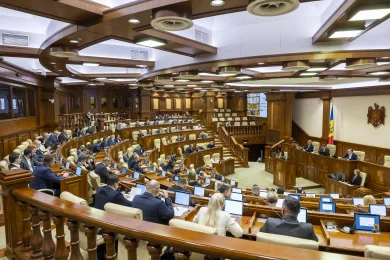
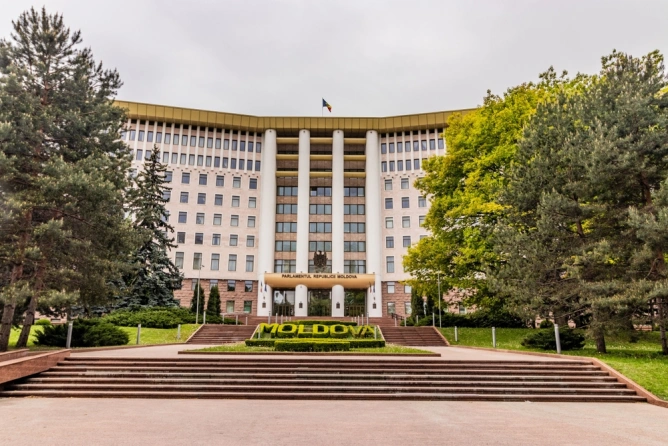
In response, President Maia Sandu convened a meeting of the National Security Council for the following period to assess the attack and the response measures, while Parliament later announced that it would organize hearings after the opposition called for an examination of the incident and the identification of IT vulnerabilities.