CBS News report made in Romania: The Russian-Ukrainian war in the Black Sea is overburdening the Romanian Naval Forces and risks drawing NATO into the conflict
The Black Sea has become an increasingly dangerous maritime front in the war between Russia and Ukraine, with incidents approaching NATO borders and potentially affecting global grain and fuel transport, a CBS News report from Romania shows.
The Black Sea is a front in the war between Russia and Ukraine that most people almost never see, but it reaches NATO borders and sometimes enters Alliance waters — risking drawing NATO, and consequently the United States, into the conflict, CBS News writes.
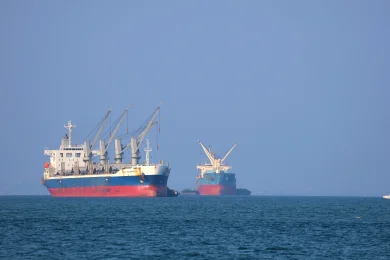
NATO military spokesperson Colonel Martin O’Donnell said that fewer than 50 incidents were recorded in the Black Sea in 2025, while this year the number has reached 400–500. The events involve drones, mines and commercial vessels, and at least 40 people have been killed in the area, according to the International Transport Workers’ Federation.
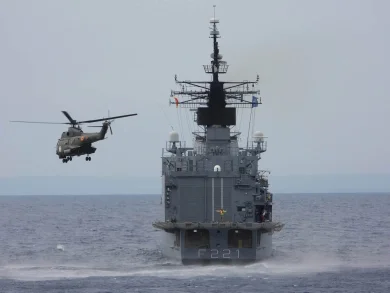
The Romanian Navy conducts permanent surveillance missions and searches for unexploded weapons remnants with the help of divers and specialized drones. Captain Mihai Iordache warns, however, that the institution lacks sufficient personnel and equipment for the scale of the threats.
“We do not have enough people, personnel or equipment to deal with all the commercial vessels and all the drones we encounter,” Captain Mihai Iordache told CBS News during a mission accompanied by journalists.
Romania, Bulgaria and Turkey are the three NATO states bordering the Black Sea. In recent days, Ukraine has announced attacks on Russian vessels, including near NATO states. Against the backdrop of drone incursions and cross-border incidents, the Alliance reaffirms that it is prepared to act under Article 5.
Context: NATO își ajustează supravegherea în Marea Neagră, pe fondul atacurilor asupra navelor comerciale și al solicitărilor României și Bulgariei
Înaintea imaginilor raportate de CBS News, NATO a anunțat că își va suplimenta supravegherea în regiune, inclusiv cu aeronave, radare, drone și echipe specializate în investigarea explozibililor, după intensificarea atacurilor atribuite Rusiei asupra rutelor de export ale Ucrainei. Se menționa și că o aeronavă americană P-8 Poseidon operează deja în largul Bulgariei, iar România solicitase sprijinul Alianței și al UE după incidente din apropierea litoralului.
În aceeași perioadă, au fost raportate și atacuri asupra navelor: nava ucraineană Chelsea 3 a fost lovită de trei drone la aproximativ 33 km de coasta Bulgariei, iar o altă navă s-a scufundat la circa 31 km, în apropiere de Krapeț. Tot atunci, Kaja Kallas a avertizat că escaladarea poate declanșa o nouă criză alimentară mondială, în condițiile în care atacurile afectează exporturile agricole ucrainene.






.webp)