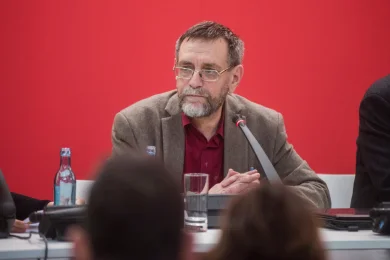
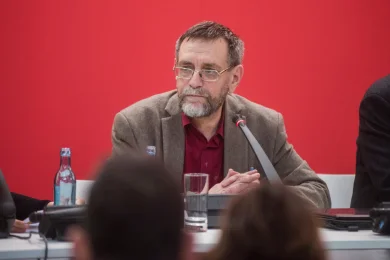
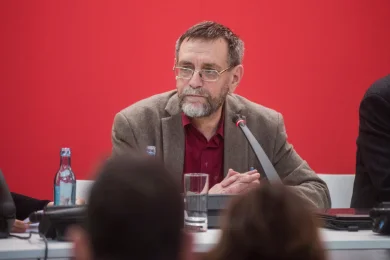
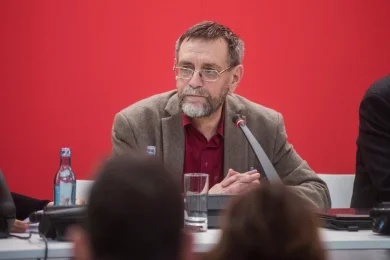
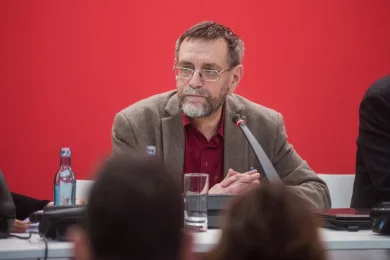
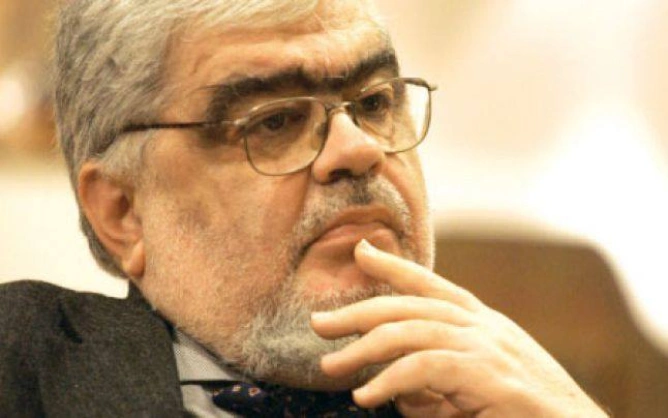
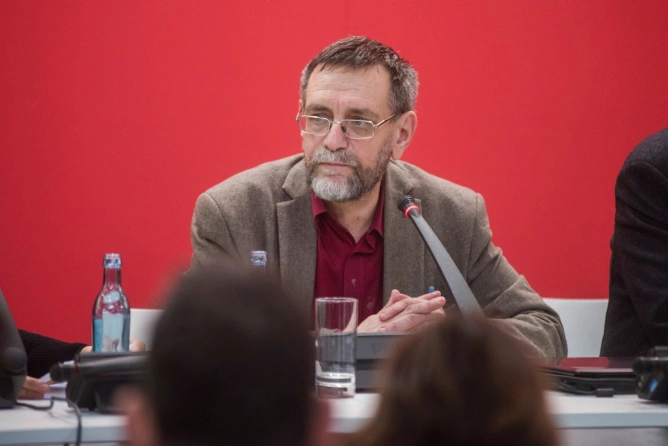
Andrei Cornea: The Fatalist. An X-ray of Conspiracy Theory



Always see our news on Google
Contrary to what is often believed, conspiracy theories are not strictly irrational, but rather, they suffer from an excess of rationalism. This does not, however, oppose their absurdity. Firstly, they assume that everything in the world is connected in a rigid and univocal way. There are no exceptions or arbitrary cases, and all coincidences are apparent. Behind things and events, there is always a well-defined cause, usually unique; moreover, there are well-defined wills, even if, naturally, hidden under anonymity, presented under collective conventional names, such as "The Hidden Hand," "The System," etc. The person who controls the conspiracy or participates in it is also a purely rational being, endowed with exceptional abilities and flawless intelligence. For example, in a country like Romania, where state institutions often function poorly, the conspiracy theorist assumes that the authors of conspiracies work without error; and he believes the same everywhere, deliberately ignoring negligence, human errors, and accidents.
The philosophy of conspiracy theories thus presupposes, on the one hand, the most absolute determinism, refusing any chance; on the other hand, it proposes an absolute personalism, refusing to see in events anything other than the manifestation of personalized intentions. There are no objective forces or tendencies. Ultimately, even when the weather is bad, it is always "they" who manipulate the climate or global warming. Furthermore, conspiracy theories rationalize history as much as possible, tending to reduce historical tendencies and actions to what is most measurable and countable: immediate economic motives. The irrational and unintentional elements of history – whether we are talking about beliefs, ambition, envy, fear – are to the extent possible eliminated from the frame.
Why do conspiracy theories arise? The main cause must be the feeling of helplessness and powerlessness that we often experience. In relation to our smallness, the world appears immense, often hostile, and its complexity constantly defies our attempts to interpret it correctly. Then we are – and not without reason many times – suspicious of our governments; we believe – and not without basis – that they hide uncomfortable truths from us. Reasonable suspicion, however, becomes conspiracy paranoia when we refuse to give any credit to official information, and we even see behind some evident errors and inconsistencies who knows what obscure motives intertwined in a plan. Because it is more psychologically comfortable, a rationally planned world whose key is possessed by the conspirator is often preferred to a world with islands of rationality and determinism bathed in an ocean of chance and errors. Only this latter world is the only true one.
Not infrequently, conspiracy theories come to the aid of governments and state leaders with authoritarian aspirations. Inventing or at least supporting alleged conspiracies – such as the "Jesuit" one in the 19th century or the "Judeo-Masonic" one in the 20th century – has proven to be a powerful propaganda and social mobilization weapon, and the consequences, horrific, are known. In another sense, conspiracy theories, supported by the media or interested politicians, as is the case with us, invite public opinion, but also those responsible, to passivity and resignation. If you are faced with all-powerful services, national or foreign, if we are all listened to, monitored, recorded by them, surveilled by AI, what sense does it make to protest, to act, to rebel, to hope? The practical consequence of conspiracy theories is that "nothing can be done," because all "they" will decide and will always have the upper hand, even when appearances suggest otherwise, because such a false appearance is considered part of the conspiracy.
In Antiquity, some determinists used the following sophism, called "the harvester's": the one who has a field to harvest can either harvest it or not harvest it. However, one of these two actions is necessary, as it would have been causally determined from the very beginning. Therefore, it does not matter what you will do, because whatever is necessary to happen will happen. The conspiracy theorist acts similarly: for him, any political crime or serious accident is insoluble. Never – he believes – will the truth be found, and what will be found is not true, because they (the hidden powers) oppose it. Consequently, if he is a simple citizen, the conspiracy theorist will comment on everything over a beer with the superiority of the gnostic who knows. And if he actually knows something in a particular case, then he will remain silent, because, you see, what is fatal to happen will happen anyway, with or without his contribution. Passivity, non-involvement, and fatalism become rationally justified, as in the case of the famous character of Denis Diderot, Jacques the Fatalist. Indeed, convinced that the Great Plan is being realized without him and under any conditions, a person can sleep without remorse, thus confirming his powerlessness.
Latest News
16:19
16:07
16:07
16:06
15:54
See more news
NEWS ON THE SAME TOPICS