Artificial intelligence could increase Europe's productivity by 1% over the next 5 years, according to the IMF




Always see our news on Google
Artificial intelligence could increase Europe’s productivity by approximately 1% over the next five years, but it risks deepening inequalities, putting pressure on power grids and increasing dependence on technologies developed in the United States and China, according to an International Monetary Fund document cited by Reuters.
The analysis was prepared for the informal meeting of European Union finance ministers, held in Dublin on September 18–19. The IMF warns that the benefits and costs of artificial intelligence will be distributed unevenly among countries, regions and groups of workers.
Approximately 60% of employees in advanced European economies work in occupations highly exposed to AI. For some, the technology could increase productivity, while others risk being replaced as routine tasks are automated. More developed countries are considered better positioned to benefit from this transformation.
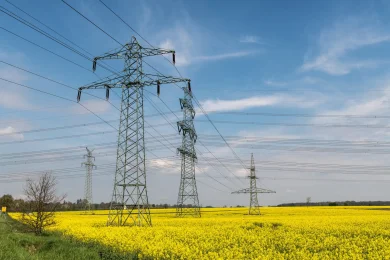
Data centers already consume around 3% of Europe’s electricity, and demand could rise rapidly as AI expands. Frankfurt, London, Amsterdam, Paris and Dublin are among the vulnerable areas because of pressure on local grids.
The IMF recommends completing the single market, investing in cross-border energy infrastructure and developing Europe’s artificial intelligence industry. These measures could limit market fragmentation and strategic dependence on foreign technologies.
宛Sources


Latest News
23:02
22:34
22:03
21:43
21:24
See more news
NEWS ON THE SAME TOPICS