



Congress Republicans announce a funding agreement to end the budget impasse
Lara Maior


International
Yaya Ernst/ Shutterstock.com

Always see our news on Google
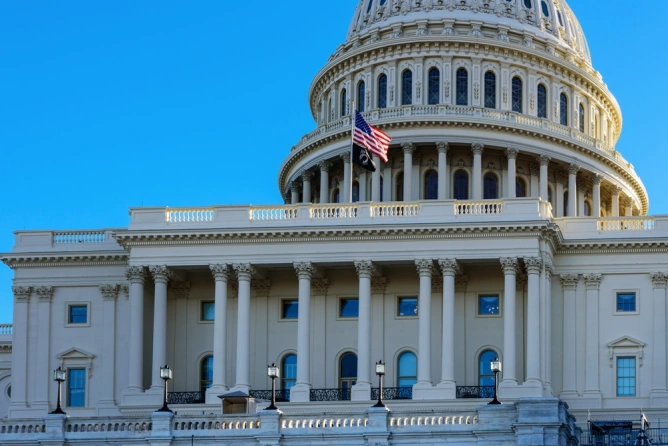
The American Congress, under the leadership of House Speaker Mike Johnson and Senate Majority Leader John Thune, has proposed an agreement that will allow the restoration of funding for most services of the Department of Homeland Security (DHS). This agreement also postpones the controversial spending related to immigration policy, which will be discussed in a separate bill. This represents a radical shift in position for conservative lawmakers, who had rejected a similar proposal just a few days earlier, but have relaunched it under pressure from President Donald Trump. DHS funding is expected to be secured until the end of the fiscal year, while agencies implementing Trump's anti-immigration policy, such as ICE, will rely on previously approved funds. Mike Johnson and John Thune stated that this approach will fully reopen the department and ensure the payment of all federal employees. The compromise could allow for a vote as early as Thursday, and the text could be adopted in procedural sessions, in the absence of opposition. The current partial budget paralysis forces thousands of airport security agents to work without pay since February. Democrats opposed funding for DHS and immigration enforcement after the tragic incidents in January, when two Americans were killed by federal agents during protests against government policy.
Sources


Latest News
13:51
Bulgarian Prime Minister Rumen Radev links the drone attacks in the Black Sea to Romania’s accusations against Russia
13:41
The Pentagon has declassified a new batch of UFO files
13:39
Luca Niculescu stated in Chișinău that the Government does not want to increase taxes and duties
13:38
Sabotage at CARFIL Braşov / Sorin Grindeanu: “Zero tolerance for acts of sabotage and subversion orchestrated by the Russian Federation on Romanian territory!”
13:34
Vasile Tofan met with Volodymyr Zelenskyy in Kyiv. Moldova and Ukraine are discussing infrastructure, security, and European integration projects
See more news
NEWS ON THE SAME TOPICS
International
Donald Trump withdrew his proposal to lead ICE

International
The Trump administration temporarily suspended all visa applications for immigrants, introducing stricter rules.
International
Trump is considering the temporary withdrawal of Todd Blanche's nomination for the position of attorney general



Personalized news feed, AI-powered search, and notifications in a more interactive experience.







.webp)


.webp)


