The EU and Singapore implement the first bilateral agreement dedicated to digital trade.
2eu.brussels



International
shutterstock.com

Always see our news on Google
The agreement on digital trade between the European Union and Singapore has come into force, becoming the EU's first autonomous bilateral agreement dedicated exclusively to digital trade. The document establishes transparent rules for cross-border digital transactions and strengthens the legal framework for companies and consumers in the digital economy.
In short
It is the EU's first bilateral agreement dedicated exclusively to digital trade. The agreement provides high protection for consumers, personal data, and privacy. Electronic signatures, contracts, and invoices are recognized, and paperless trade is promoted. Customs duties on electronic transmissions and unjustified data localization requirements are prohibited. Total EU-Singapore trade reached 131 billion euros in 2024, with most services delivered digitally.
The EU-Singapore agreement on digital trade strengthens trade exchanges between the two parties through rules that make digital transactions easier, more predictable, and safer for the business environment and consumers. The document includes commitments with high standards in the field of online consumer protection, personal data, and privacy, as well as measures against unsolicited commercial messages.
For companies, the agreement offers legal certainty by promoting paperless trade and recognizing the validity of electronic signatures, contracts, and invoices. At the same time, it prohibits the imposition of customs duties on electronic transmissions.
The agreement also aims to prevent protectionist practices in the digital economy. Unjustified data localization requirements and forced transfers of source code of software are prohibited, measures intended to ensure fair conditions for economic operators.
From a public policy perspective, the agreement positions the EU and Singapore as reference actors in the development of global rules on digital trade. The document reflects the EU's approach to digital regulation, centered on the protection of individuals and their rights, while maintaining the necessary room for maneuver to adopt future measures that respond to the new challenges of the digital economy.
Negotiations for this agreement were launched on July 20, 2023, and are based on the EU-Singapore Free Trade Agreement from 2019. In 2024, total trade between the EU and Singapore reached 131 billion euros, of which 83 billion euros in services and 48 billion euros in goods, with most services being provided digitally.
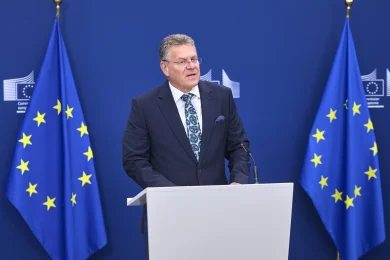
"Digital trade is no longer a niche area; it is central to global trade and a powerful engine of economic growth. The European Union is a global leader in this field, and the EU-Singapore agreement on digital trade, the first of its kind for the EU and now in force, aligns our partnership with the realities of modern trade. By facilitating smooth, secure, and efficient digital trade, the agreement provides concrete and sustainable benefits for both companies and consumers," said Maroš Šefčovič, Commissioner for Trade and Economic Security.
The EU-Singapore agreement on digital trade is part of the EU's broader strategy to develop a network of trade agreements that include chapters or instruments dedicated to the digital economy. Through this agreement, the EU is extending its regulatory framework beyond the internal market and aims to establish international standards in the field of digital trade, in a context marked by the rapid growth of digital services and cross-border data flows.
In short
It is the EU's first bilateral agreement dedicated exclusively to digital trade. The agreement provides high protection for consumers, personal data, and privacy. Electronic signatures, contracts, and invoices are recognized, and paperless trade is promoted. Customs duties on electronic transmissions and unjustified data localization requirements are prohibited. Total EU-Singapore trade reached 131 billion euros in 2024, with most services delivered digitally.
The EU-Singapore agreement on digital trade strengthens trade exchanges between the two parties through rules that make digital transactions easier, more predictable, and safer for the business environment and consumers. The document includes commitments with high standards in the field of online consumer protection, personal data, and privacy, as well as measures against unsolicited commercial messages.
For companies, the agreement offers legal certainty by promoting paperless trade and recognizing the validity of electronic signatures, contracts, and invoices. At the same time, it prohibits the imposition of customs duties on electronic transmissions.
The agreement also aims to prevent protectionist practices in the digital economy. Unjustified data localization requirements and forced transfers of source code of software are prohibited, measures intended to ensure fair conditions for economic operators.
From a public policy perspective, the agreement positions the EU and Singapore as reference actors in the development of global rules on digital trade. The document reflects the EU's approach to digital regulation, centered on the protection of individuals and their rights, while maintaining the necessary room for maneuver to adopt future measures that respond to the new challenges of the digital economy.
Negotiations for this agreement were launched on July 20, 2023, and are based on the EU-Singapore Free Trade Agreement from 2019. In 2024, total trade between the EU and Singapore reached 131 billion euros, of which 83 billion euros in services and 48 billion euros in goods, with most services being provided digitally.
"Digital trade is no longer a niche area; it is central to global trade and a powerful engine of economic growth. The European Union is a global leader in this field, and the EU-Singapore agreement on digital trade, the first of its kind for the EU and now in force, aligns our partnership with the realities of modern trade. By facilitating smooth, secure, and efficient digital trade, the agreement provides concrete and sustainable benefits for both companies and consumers," said Maroš Šefčovič, Commissioner for Trade and Economic Security.
The EU-Singapore agreement on digital trade is part of the EU's broader strategy to develop a network of trade agreements that include chapters or instruments dedicated to the digital economy. Through this agreement, the EU is extending its regulatory framework beyond the internal market and aims to establish international standards in the field of digital trade, in a context marked by the rapid growth of digital services and cross-border data flows.

Latest News
23:12
Florin Manole: “The discussion about the minimum wage must begin in the coming weeks / On January 1, 2027, the minimum wage will be what it is currently, 4,325 gross”
22:53
Alexandru Rogobete promises a new payment mechanism for doctors’ shifts. Residents will also be paid
22:53
Sever Voinescu: Playing at Sovereignty
22:25
The Minister of Labour announces that he is preparing the indexation of pensions: “We will submit to the Ministry of Finance and the prime minister the proposal to comply with the law, because after two years it is no longer bearable for pensioners”
22:06
Dan Neculăescu, discussions with his French counterpart Jean-Noël Barrot about security in the Black Sea
See more news
NEWS ON THE SAME TOPICS





Personalized news feed, AI-powered search, and notifications in a more interactive experience.