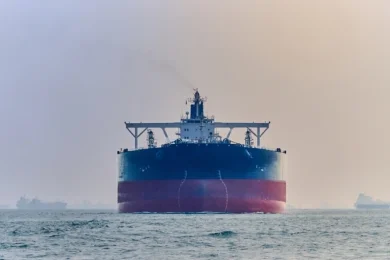
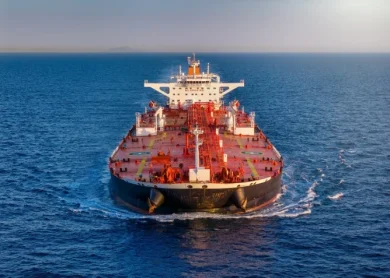
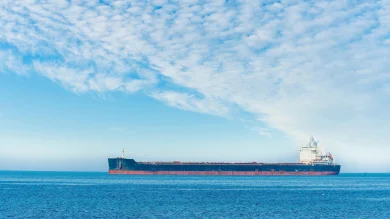
Russia has added second-hand ships and domestically built tankers to its fleet for gas transport, anticipating EU bans on Russian LNG from 2027.




Always see our news on Google
Russia is quietly expanding its dedicated gas transport fleet, adding second-hand ships and the first domestically built oil tankers, in the context of the EU's ban on Russian liquefied natural gas (LNG), which will come into effect in 2027. According to maritime data, at least eight second-hand oil tankers have been recently sold for LNG transport, increasing the fleet to 25 ships, including two newly built in Russia.
This expansion will allow Moscow to maintain gas deliveries in the face of increasingly severe restrictions. Russia's phantom fleet, similar to those in Iran and Venezuela, relies on ships registered in foreign jurisdictions and uses tactics such as signal jamming to hide the origin of the cargoes. Although Russia has managed to build LNG transport ships, technological challenges and international sanctions complicate the process. China remains the main buyer of Russian LNG, while Russia seeks to diversify its supply sources, despite the difficulties encountered in building new ships.
Sources


Latest News
23:00
22:55
22:47
22:39
22:33
See more news
NEWS ON THE SAME TOPICS