The European Parliament calls for unprecedented measures against gender-based violence, rape, and femicide that should be treated as crimes.



Always see our news on Google
Brussels, November 13, 2025 – The European Parliament calls on the European Commission to introduce enhanced measures against gender-based violence in European legislation, including the recognition of femicide as a distinct crime, defining rape based on consent, and including gender-based violence on the list of European crimes. The requests are part of the report adopted by the plenary, which invites the Commission to present an ambitious strategy for gender equality 2026–2030.
The European Parliament calls on the Commission to recognize femicide as a separate crime in EU legislation, defining it as the killing of a woman or girl for reasons related to gender. The report does not detail further justifications, but this request aims to provide a European legal framework that reflects the specificity of this type of crime. Currently, femicide is treated differently by member states, often categorized under the general category of homicide.
MEPs are calling for a harmonized European definition of rape, based on consent. In the report, this request is formulated through the need for a "definition of rape based on consent".
The Parliament calls on the Commission to present a proposal to the Council for including gender-based violence on the list of European crimes, alongside terrorism, human trafficking, or cybercrime. The document specifies that this category must be treated as a "particularly serious crime at the EU level, with a cross-border dimension".
The adopted report is an initiative report (INI), which means it does not modify legislation but establishes the official position of the Parliament and formally requests the Commission to act in the mentioned areas. According to EU procedures, the Commission will respond in writing and may decide whether to include the requests in the future Gender Equality Strategy 2026–2030 or to initiate legislative proposals.
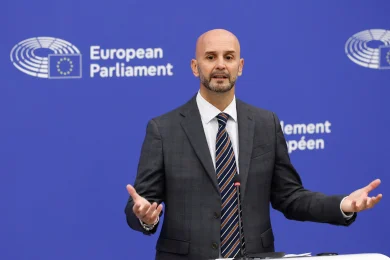
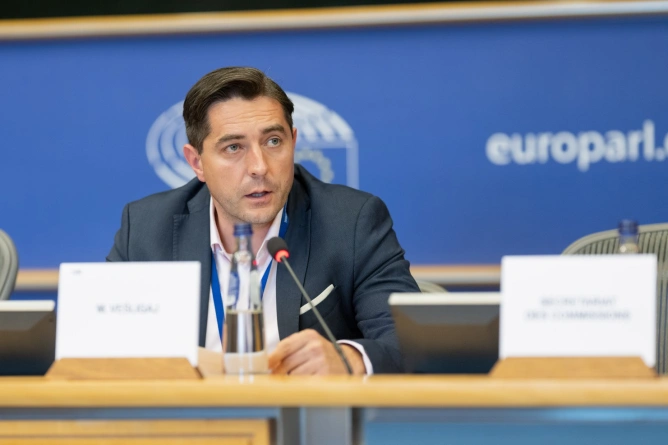
The report was drafted by Marko Vešligaj (S&D, Croatia), responsible for negotiating the text and presenting it in plenary. After adoption, he stated: "With the adoption of this report, the European Parliament firmly stands by all women and girls... it is time to act and ensure equality, safety, and freedom for all citizens of the EU."
Editorial explanations 2EU
To facilitate understanding of the measures requested by the European Parliament, the editorial team 2EU provides below a series of contextual explanations, which are not part of the official documents of the Parliament but are necessary to clarify the legal and political implications of these requests.
1. About the recognition of femicide as a distinct crime
Defining femicide in a separate criminal category would help in the uniform collection of data across all member states, where currently cases are categorized differently, most often as general homicides. A common definition could facilitate judicial cooperation between states, allow for comparable statistics, and support the development of tailored prevention policies, in conditions where cases of extreme violence against women are underreported or classified unevenly.
2. About defining rape based on consent
A harmonized definition at the EU level means that the lack of consent would become the central criterion, not the evidence of physical violence. In several member states, legislation still relies on outdated criteria, leading to situations where victims who cannot physically resist – due to shock, unconsciousness, psychological coercion, or fear-induced paralysis – are not adequately protected. European harmonization would reduce these discrepancies and ensure a common minimum standard of protection.
3. About classifying gender-based violence as a European crime ("eurocrime")
Including gender-based violence on the list of EU crimes would provide the Union with the necessary legal basis to adopt harmonized and mandatory legislation for all member states. This listing would standardize sanctions, cooperation procedures, and protection measures. Gender-based violence has cross-border components – such as human trafficking, online abuse, and situations where victims move between states – which makes intervention strictly at the national level difficult.
4. About the nature of the report and subsequent procedure
The adopted report is an initiative report (INI), which means it does not modify legislation but increases political pressure on the European Commission. Although the Commission is not obliged to implement the Parliament's requests, it must respond in writing and may choose to include these proposals in the future EU Gender Equality Strategy 2026–2030. Typically, such reports serve as a starting point for possible legislative initiatives, depending on the legal feasibility and political support of the member states.
Latest News
20:05
19:44
19:24
19:10
19:01
See more news
NEWS ON THE SAME TOPICS