The Commission will discuss with religious leaders about combating polarization and the impact of digital technologies.



Always see our news on Google
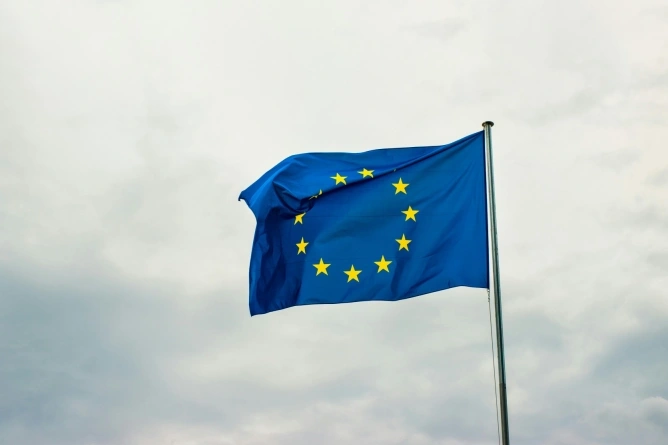
Brussels — The European Commission opens a dialogue on Monday with Christian, Jewish, Muslim, and Buddhist religious leaders to analyze how faith communities can contribute to reducing polarization in European societies. The discussion mainly focuses on the influence of digital technologies, including social media and artificial intelligence, on public discourse.
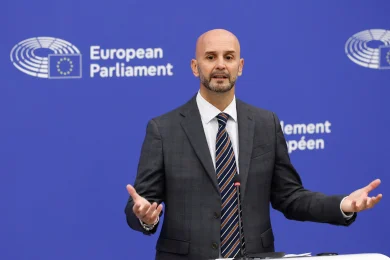
The meeting, led by the Commissioner for Home Affairs and Migration, Magnus Brunner, aims to exchange experiences between communities and identify solutions that can support social cohesion in a context marked by tensions, misinformation, and fragmentation. According to the Commission, the meeting will explore both the challenges and the opportunities created by emerging technologies in managing social dialogue.
The European Union is unique in maintaining a regular dialogue with religious, philosophical, and secular organizations. Policy must reflect the interests of all, and the values on which the EU is built — human dignity, peace, and freedom — have common roots in our traditions. "In a time when hatred and conflict seek to divide us, dialogue with religious leaders is more than a symbol: it is a space of solidarity and unity," said Commissioner Magnus Brunner.
The dialogue takes place under Article 17 of the Treaty on the Functioning of the European Union, which obliges EU institutions to maintain open, transparent, and regular contact with religious organizations and with philosophical or non-confessional ones. This framework allows representatives of faith communities to engage directly in discussions regarding European policies, including those related to social cohesion, pluralism, and the impact of digital technologies.
Latest News
13:58
13:58
13:53
13:49
13:46
See more news
NEWS ON THE SAME TOPICS