
Before Thursday’s incident, dozens of similar alerts were reported in several European countries from November 2–5, involving aircraft diversions, evacuations, and bomb-disposal checks. Authorities had not publicly indicated responsibility, and by then the reported checks had not led to the discovery of explosive devices, although the threats caused considerable disruption.
The series also included warnings sent to infrastructure outside aviation: on November 2, a bomb alert was sent by email to 271 schools in Italy, prompting evacuations and the mobilization of police and bomb-disposal experts, with no explosives found. Separately, a case involved a cruise ship in Greece, where initial checks did not identify any suspicious devices.
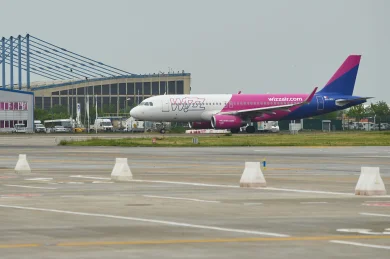
During the same period, Romania was also affected: a Wizz Air plane arriving from Milan to Bucharest landed at Otopeni following an alert, and the SRI reported that the crew had notified the control tower of the threat, triggering security procedures. In other countries, the threats led to diversions and ground inspections of aircraft (including reroutings in Italy and France), amid suspicions of a possible coordinated action, although at that point there was no public attribution of responsibility for the perpetrators.



.webp)