China is building a hydroelectric system worth 168 billion dollars in the Himalayas




Always see our news on Google
China has launched an ambitious project in the Himalayas, estimated at 168 billion dollars, aimed at becoming the most powerful hydroelectric system in the world, located on the lower course of the Yarlung Zangpo River. The project, which could produce 300 billion kilowatt-hours annually, is promoted by Beijing as a step towards clean energy, but raises serious concerns about environmental impact and regional security.
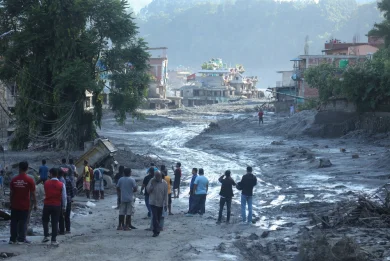
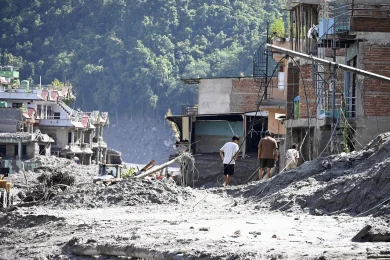
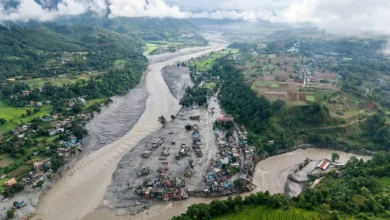
Experts warn that the scale and location of the project make it extremely risky, considering that the area is seismically active and prone to landslides and floods. Additionally, the construction will involve the relocation of local communities, including indigenous groups, and could affect the Brahmaputra River, vital for India and Bangladesh.
China claims that the project has been well researched and that safety measures are in place, but critics highlight the lack of transparency and potential risks. Furthermore, the project has strategic implications, strengthening China's control over Tibet and having a significant geopolitical impact in the region. A comprehensive impact assessment remains difficult, but the mega-project reflects China's technological ambition and the risks it is willing to take.
Sources


Latest News
23:03
22:44
22:40
22:37
22:34
See more news
NEWS ON THE SAME TOPICS