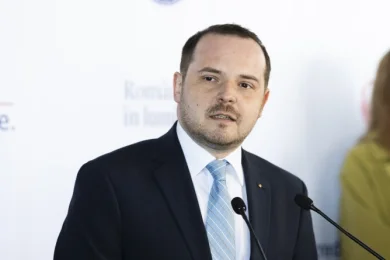
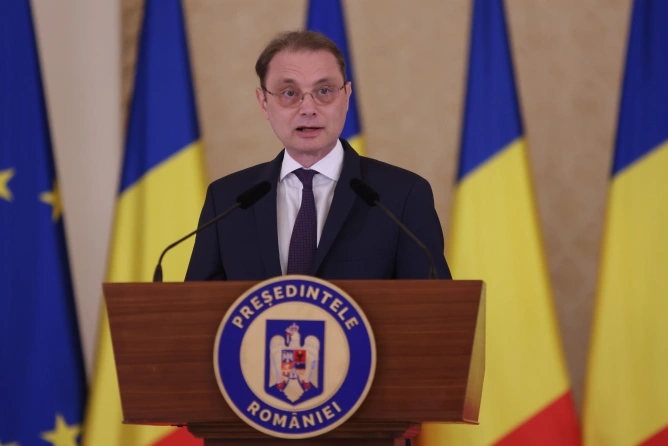
Former health ministers, Rafila and Voiculescu, on opposing sides regarding Pfizer vaccines



Always see our news on Google
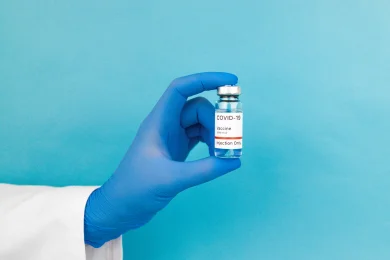
After Romania was forced to pay over 3 billion lei to Pfizer, Vlad Voiculescu, former Minister of Health, drew attention to Alexandru Rafila, accusing him of losing the case. Voiculescu claims that Rafila delayed decisions in negotiations with Pfizer, which led to an estimated loss of 600 million euros for Romania. He states that the renegotiation offer was on Rafila's desk, which he did not act upon, thus leaving Romania to bear additional costs.
Rafila, on the other hand, explained that he decided not to purchase more COVID vaccine doses to avoid blocking the health budget with unnecessary stocks, considering that Romania already had millions of expired doses. He emphasized that his objective was to direct funds towards medical services and infrastructure, not towards payments without real benefits for patients. This dispute between the two former ministers reflects the tensions during the pandemic management period and the challenges encountered in vaccine procurement.
"Hundreds of millions of euros paid by Romanians because Minister Rafila dodged, by not signing the Pfizer offer, not putting a memorandum on the agenda, not presenting the issue in the Government. About 400 million euros. 24 member states accepted Amendment 5. Poland and Hungary explicitly refused. Romania did not convey any position. Neither yes nor no. Nothing. Shocking for those at the Commission, but it was not the first time Romania let major opportunities pass. The deadline expired, and the Commission considered that Romania disagreed. Probably the most expensive 'seen it' in Romania's history," Voiculescu stated in a message posted on Facebook.
"It would have been profoundly wrong to block the health budget with unnecessary stocks, which would later have been destroyed, just to cover past mistakes. The situation found at the Ministry of Health was clear: warehouses full of millions of expired doses, an additional purchase commitment for 39 million doses signed in May 2021 and, at the same time, a declining interest of the population in vaccination.
The evolution of viral variants and the reluctance of a part of society significantly reduced real demand. We constantly acted to limit the effects of this situation. We managed to sell to other states, such as Germany and Hungary, over 7.5 million doses and made donations to countries in need. However, we were forced to destroy millions of expired doses, incurring additional costs," Rafila wrote on Facebook.
Sources


Latest News
08:09
08:08
07:54
07:53
07:52
See more news
NEWS ON THE SAME TOPICS

.webp)