The European Union is preparing to eliminate roaming charges for the Western Balkans




Always see our news on Google
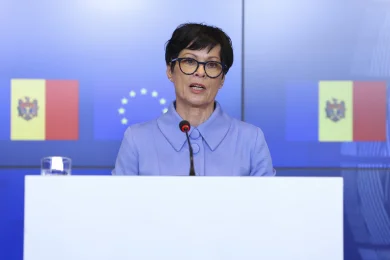
The European Commission is preparing to start negotiations with partners in the Western Balkans for the elimination of roaming charges, as part of the gradual integration of candidate countries into the benefits of the European market. The announcement was made in the Committee on Foreign Affairs of the European Parliament by Mathieu Busquet, director for coordination of enlargement, strategy, and investments within DG ENEST.
In short
1. The European Commission is ready to start negotiations with partners in the Western Balkans for the elimination of roaming charges.
2. The Council approved the negotiation mandate on June 4.
3. Ukraine and Moldova have already benefited from this measure since January 1.
4. The elimination of roaming is presented as part of the gradual integration before accession.
5. The Commission links this approach to the goal of allowing citizens and companies to feel the benefits of coming closer to the European Union sooner.
Roaming is one of the most easily understood benefits of European integration. For citizens, the elimination of additional charges means using their phones abroad without high costs for calls, messages, or mobile data. For companies, students, tourists, and families separated by borders, the difference is directly visible in bills and daily mobility.
In his intervention, Mathieu Busquet presented roaming alongside the single euro payment area, SEPA, as an example of gradual integration. The logic is that candidate countries should not wait until final accession to receive some concrete benefits of belonging to the European space, provided that reforms and alignment with EU rules progress.
The Commission has already extended the benefit of eliminating roaming charges to Ukraine and Moldova since January 1. For the Western Balkans, the next step is to open negotiations, following the mandate approved by the Council on June 4.
The measure is also politically important. In an enlargement process that may seem technical and distant, the elimination of roaming shows citizens in the region that coming closer to the European Union produces practical effects before accession is finalized.
The Western Balkans are already part of a European strategy for gradual integration. The Commission mentioned in the same meeting other instruments, from the Reform and Growth Facility to trade corridors, industrial dialogues, partnerships in supply chains, and initiatives related to the single market.
For the EU, these measures also have a geopolitical dimension. The Commission presents enlargement as an investment in the security, stability, and influence of Europe, in a region where political and economic competition from Russia, China, and other actors remains strong.
The elimination of roaming does not alone resolve the accession file. Candidate countries must continue reforms regarding the rule of law, administration, economy, competition, and alignment with EU foreign and security policy. But the measure can strengthen public support for European integration, through a visible and immediate benefit.
The Commission insists that enlargement must remain merit-based, but also provide intermediate results. In this logic, roaming becomes a test of the EU's ability to transform accession from a long-term promise into a process with tangible effects for citizens.

Latest News
14:49
14:47
14:40
14:32
14:28
See more news
NEWS ON THE SAME TOPICS