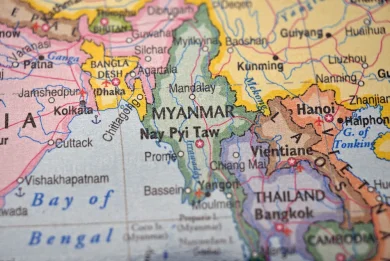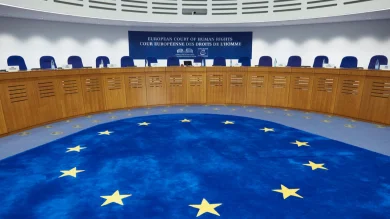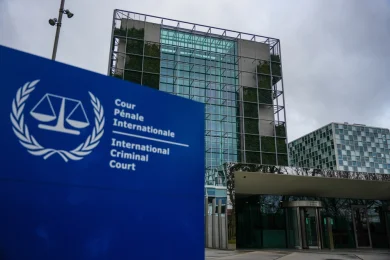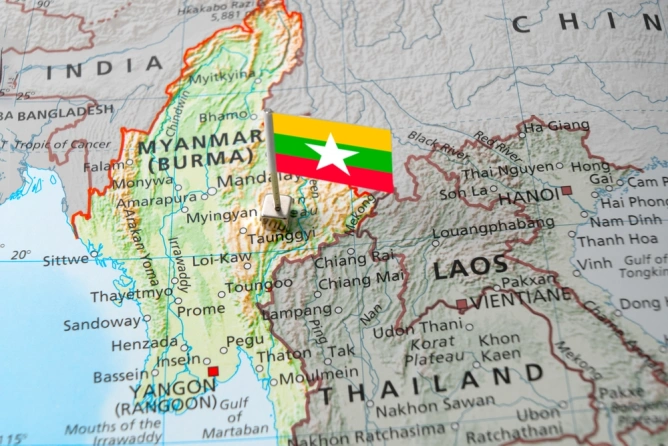

Before the decision, Gambia initiated the case against Myanmar in 2019, accusing it of violating the 1948 Genocide Convention during the 2017 military operations. The ICJ ruling of November 19 was presented as a precedent: for the first time, the court declared a state responsible for committing genocide under the convention, whereas in an earlier case related to Srebrenica, although the Court had established the existence of genocide, it had not gone so far as to consider Serbia responsible for directly committing it.
After the ruling, Amnesty International welcomed the decision as a recognition of the atrocities against the Rohingya and called for an end to arms transfers and military assistance to Myanmar, as well as a global embargo by the UN Security Council. The organization also called for those responsible to be held accountable, including former commander Min Aung Hlaing, later mentioned as the country’s president.