The EU will provisionally apply the agreement with Mercosur from May 1, 2026



Always see our news on Google
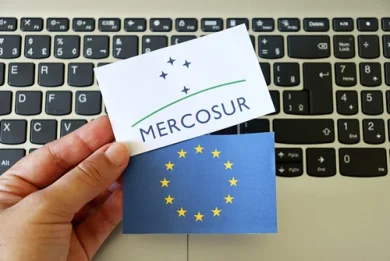
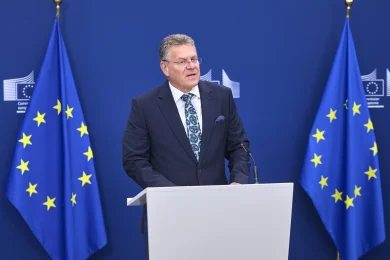
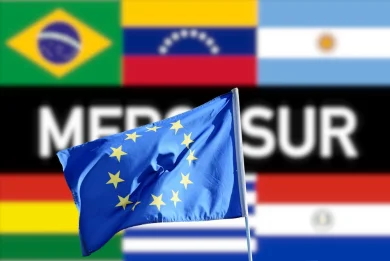
The European Union has notified the Mercosur countries of the provisional application instrument of the EU–Mercosur interim trade agreement, paving the way for its entry into force on May 1, 2026. By sending the note verbale to Paraguay, designated as the legal guardian of the Mercosur treaties, the European Commission has completed the last procedural step necessary, based on the Council's decision of January 9. In short The EU–Mercosur interim trade agreement is set to apply provisionally from May 1, 2026. The provisional application will initially target the relationship between the EU and the Mercosur countries that have completed ratification and notified the Union by the end of March, namely Argentina, Brazil, and Uruguay. Paraguay has recently ratified the agreement and is expected to send the notification in the coming period. The European Commission states that the agreement will eliminate tariffs on certain products from day one and will create a more predictable framework for trade and investment. In the form announced by the Commission, the provisional application will begin between the European Union and all Mercosur countries that have completed their internal procedures and notified Brussels by the end of March. The Commission specifies that this condition is already met by Argentina, Brazil, and Uruguay. Paraguay has recently ratified the agreement, and the European executive says that the official notification is expected soon. The European executive links the provisional entry into force to immediate economic effects. According to the official communication, the elimination of tariffs on certain products will take effect from day one, and the agreement will create predictable rules for trade and investment. The Commission asserts that businesses, consumers, and farmers in the European Union will be able to start benefiting from the advantages of the agreement immediately, while sensitive sectors of the European economy will remain protected by what are considered solid guarantees. Brussels is trying to present the agreement in a broader strategic context. The Commission argues that provisional application will allow for closer cooperation between the EU and Mercosur on global issues such as fundamental workers' rights and climate change. At the same time, the European executive states that the agreement will contribute to building more resilient and reliable supply chains, deemed essential especially for the predictability of critical raw material flows. The political message from the Commission is that the EU is trying to transform a long-negotiated agreement into a trade instrument with rapid practical effects. The Commissioner for Trade, Maroš Šefčovič, stated that "Today marks an important step in demonstrating our credibility as a major trading partner. The current priority is to turn this EU–Mercosur agreement into concrete results, providing EU exporters with the platform they need to capitalize on new opportunities in trade, economic growth, and job creation. Provisional application will allow us to start fulfilling this promise. I look forward to this agreement reaching its potential, strengthening our economy and position in global trade, while we finalize all related democratic procedures." The provisional application is also relevant for the political signal it sends. It shows that the European Union has chosen to activate the trade component of the agreement before completing all related democratic procedures, using the available legal mechanism to advance implementation where procedural conditions have already been met. From this perspective, May 1 marks not only a new legal threshold but also the beginning of the effective use of the agreement in the trade relationship between the EU and the Mercosur countries that have completed ratification. The immediate context of the announcement is the Council's decision of January 9 and the completion of the official notification to Paraguay, as the legal guardian of the Mercosur treaties. In essence, the Commission seeks to leverage the agreement on three distinct fronts: trade liberalization through tariff elimination, increasing predictability for investments, and strengthening the economic resilience of the Union through safer access to critical raw materials and deepening the economic relationship with South America.

Latest News
23:13
23:02
22:58
22:25
22:21
See more news
NEWS ON THE SAME TOPICS







.webp)