According to AFEER, gas prices for the population could increase by at least 5% from April 2026, when the price cap expires.
Radu Burcă


Economy
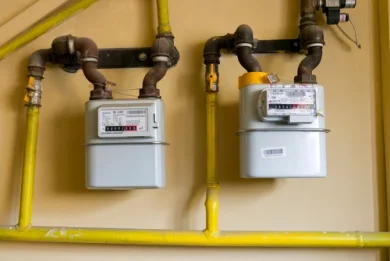
Foto: pexels.com

Always see our news on Google
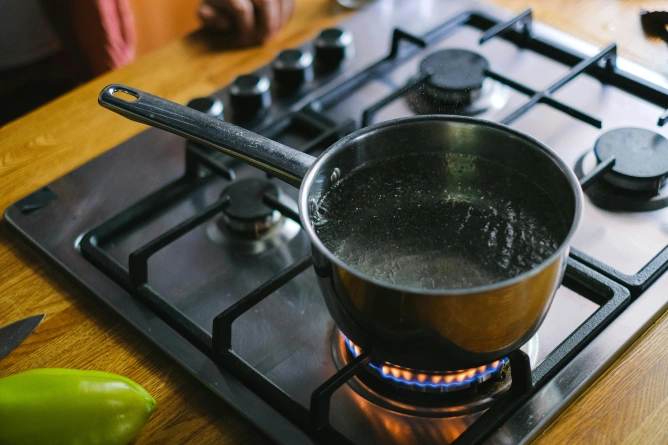
Laurențiu Urluescu, the president of the Association of Energy Suppliers in Romania (AFEER), announced that gas prices for household consumers will be liberalized starting April 1, 2026, which will lead to an estimated increase of at least 5%. Currently, the purchase price is 120 lei/MWh, but it is expected to reach 170 lei/MWh. Thus, an average bill of 400 lei could increase to 420 lei. The price capping scheme, introduced in the context of the pandemic, will expire on March 31, 2026. Urluescu emphasized that the state has collected 80 billion lei from the energy sector, but owes suppliers approximately 7 billion lei, representing the difference between capped prices and actual prices. Additionally, the state has promised to pay these debts, but there is no deadline for reimbursement. The liberalization of the energy market has been a gradual process, starting in 2014 for non-household consumers and continuing with household clients in 2018.
Sources

Gazele pentru populaţie s-ar putea scumpi cu cel puţin 5%, din aprilie 2026, după eliminarea plafonării, avertizează preşedintele Asociaţiei Furnizorilor de Energie din România (AFEER)

Cu cât vor plăti românii mai mult pentru gaze naturale. Avertismentul lansat de AFEER: Se întâmplă din aprilie 2026

Expiră curând plafonarea și la gaze. Cu cât crește factura

Liberalizarea prețurilor la gaze din 2026 va aduce facturi mai mari. AFEER: „Consumatorii vor plăti cu cel puțin 5% în plus”

Gazele pentru populaţie s-ar putea scumpi cu cel puţin 5%, din aprilie 2026
Latest News
16:58
Commission links deepening relations with Turkey to de-escalation with Greece and progress on the Cyprus issue
16:57
Riyadh, shaken by explosions / Students and diplomats took refuge in shelters
16:50
European Commission grants Romania €14.3 million following the 2025 floods
16:50
Warning for Romanians traveling to Belgium / Strikes may cancel flights and public transport
16:45
Robert Fico criticizes the nude statue of Donald Trump displayed at the European Parliament and considers it a sign of Europe’s decline
See more news
NEWS ON THE SAME TOPICS



Personalized news feed, AI-powered search, and notifications in a more interactive experience.