Bulgaria has joined the eurozone. Economist Radu Crăciun on Romania's accession to the euro: "The prospects are not encouraging at all."




Always see our news on Google
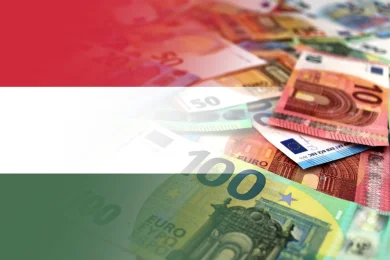
Bulgaria recently became a member of the eurozone, 19 years after its accession to the EU, while Romania is significantly far from this goal. According to the accession criteria established by the Maastricht Treaty, Romania must meet certain economic conditions, such as the budget deficit and public debt. These are the most difficult to adjust, and estimates suggest that the deficit will not fall below 3% of GDP in the next 7-8 years. Additionally, public debt could reach nearly 70% of GDP by 2030, further complicating the path to the euro.
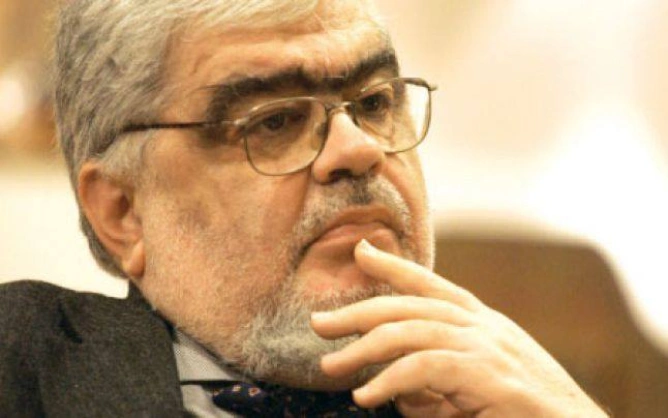
According to economist Radu Crăciun, Romania will need to remain in the ERM II mechanism for at least 2 years to demonstrate the stability of the leu, which could extend the accession timeline to 9-10 years. Entry into the eurozone depends not only on meeting the criteria but also on acceptance by member states, considering the recent history of Romanian fiscal policies. In contrast, Bulgaria adopted a currency board that stabilized the economy, thus facilitating its transition to the euro. This choice by Romania not to follow the same path has led to greater economic volatility and constant budget deficits. In conclusion, Romania risks losing the economic advantages of joining the eurozone, while Bulgaria is preparing to benefit from these advantages.
Sources


Latest News
16:39
16:31
16:30
16:28
16:23
See more news
NEWS ON THE SAME TOPICS