FACIAS reported that six DGASPCs from Bucharest spend nearly 7 million euros annually on security, suggesting digital solutions to reduce costs.
Liviu Brăteanu


Economy
Foto: Pixabay

Always see our news on Google
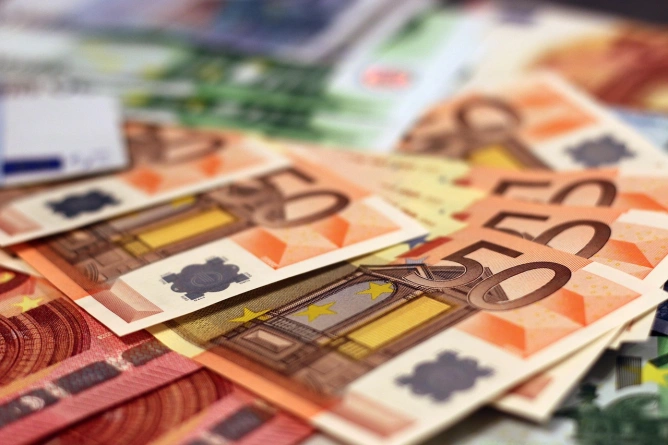
The Foundation for the Defense of Citizens Against State Abuses (FACIAS) highlighted, in a statement, the waste of financial resources from the money of Romanians, showing that the six General Directorates of Social Assistance and Child Protection (DGASPC) in Bucharest pay nearly 7 million euros annually for private security services. Analyzing the expenses, FACIAS found that these costs could be reduced by up to 60% through the implementation of modern digital solutions, such as video monitoring systems.
Expenses vary significantly between sectors: Sector 1 allocates approximately 1,000,000 lei monthly for the security of DGASPC centers, while Sector 2 pays 630,000 lei per month. In Sector 3, costs reach 270,000 lei monthly, and in Sector 4, DGASPC spends over 1.3 million lei annually. FACIAS emphasizes that, considering the 130,000 public institutions in Romania, the scale of waste becomes alarming, raising the question of what the total amount spent on the security of all these institutions is.
Expenses vary significantly between sectors: Sector 1 allocates approximately 1,000,000 lei monthly for the security of DGASPC centers, while Sector 2 pays 630,000 lei per month. In Sector 3, costs reach 270,000 lei monthly, and in Sector 4, DGASPC spends over 1.3 million lei annually. FACIAS emphasizes that, considering the 130,000 public institutions in Romania, the scale of waste becomes alarming, raising the question of what the total amount spent on the security of all these institutions is.
Sources


Latest News
21:25
Donald Trump's spokesperson, Katie Zacharia, fired after less than a week
21:22
Acting Prime Minister, warning to the Niculescu Government: “The most dangerous adversary is still the PSD”
21:04
Ilie Bolojan, on his term as prime minister: “Not all decisions, the dozens of daily decisions, were perfect”
20:55
Ilie Bolojan announces that the PNL will pay the 14 million lei spent on Nicolae Ciucă’s election campaign, following the HCCJ’s decision
20:54
Eurostat: Romania has the highest annual inflation rate in the EU, at 6.5%, in September
See more news
NEWS ON THE SAME TOPICS

Current Affairs
Romsilva approved a budget forecasting a profit of 105 million lei and providing 5,300 body cameras for forestry personnel
Current Affairs
ANAF has identified a fraud of 12.35 million lei, committed by four security companies through the issuance of false invoices.

Current Affairs
The National Cadastre Agency will invest 5 million euros for the modernization of equipment.


Personalized news feed, AI-powered search, and notifications in a more interactive experience.


.webp)